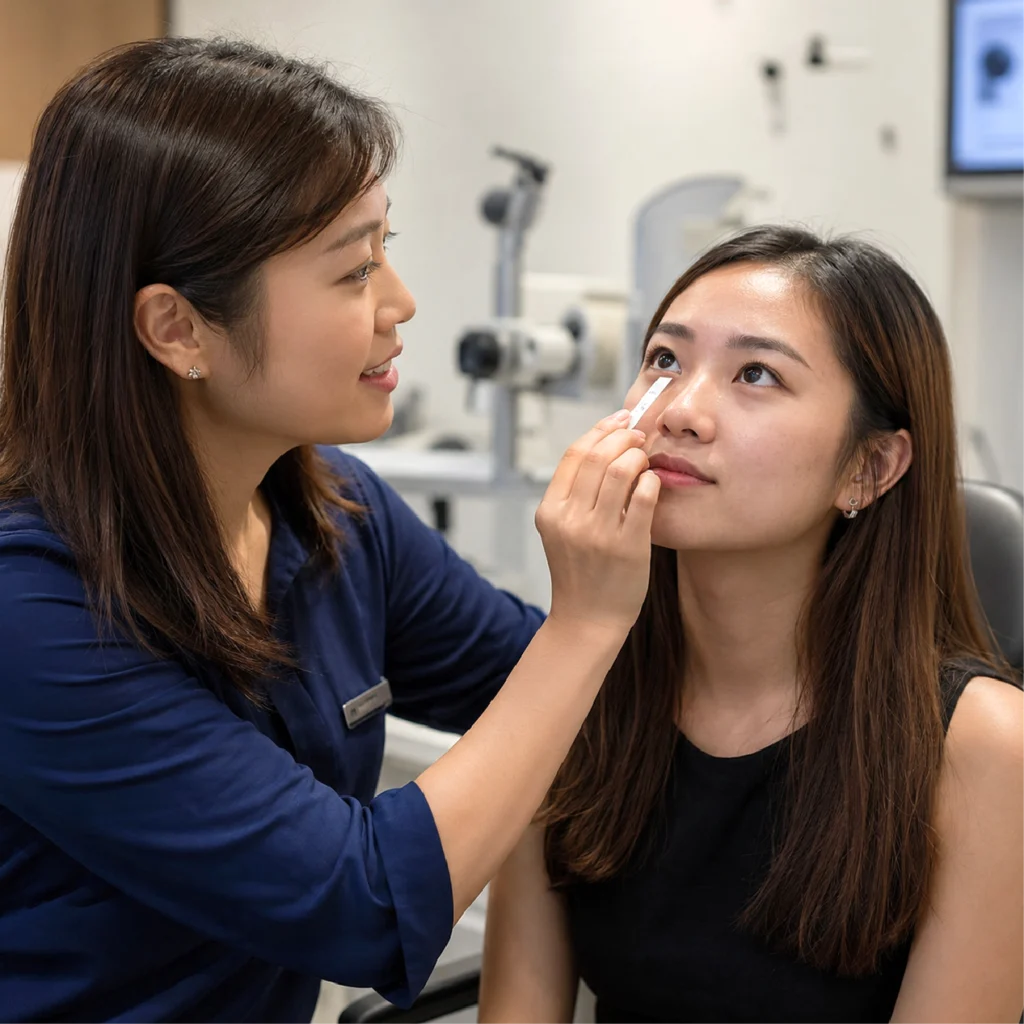



Dry eye syndrome is a common yet often underestimated eye condition that occurs when the eyes fail to produce enough tears, or when the tears evaporate too quickly. Tears are essential for maintaining the health of the front surface of the eye and for providing clear, comfortable vision. When tear quantity or quality is compromised, the tear film becomes unstable, leading to dryness, irritation, and visual fluctuations.
A range of factors can contribute to dry eyes, including aging, prolonged digital screen use, contact lens wear, environmental exposure, hormonal changes, or certain medical conditions and medications. If left untreated, dry eye syndrome may cause inflammation, damage to the ocular surface, and increase the risk of infection or long-term vision disturbances.
Managing dry eye syndrome is crucial not only for comfort but also for maintaining long-term eye health and visual performance. Persistent dryness can cause symptoms such as burning, tearing, redness, light sensitivity, and blurred vision. Over time, it may affect concentration, productivity, and overall quality of life.
With proper diagnosis and individualized treatment, including tear supplements, anti-inflammatory therapy, or meibomian gland management, symptoms can be effectively controlled. Early intervention helps restore tear film stability, reduce eye strain, and maintain clear, comfortable vision throughout daily activities, especially during extended screen use or in air-conditioned environments.
Dry eye symptoms can vary from person to person, but there are several common signs you may notice in your daily life, experiencing three or more of these symptoms may indicate dry eye:

A persistent dry, tight, or dehydrated feeling in the eyes, often caused by insufficient tears or poor tear quality.
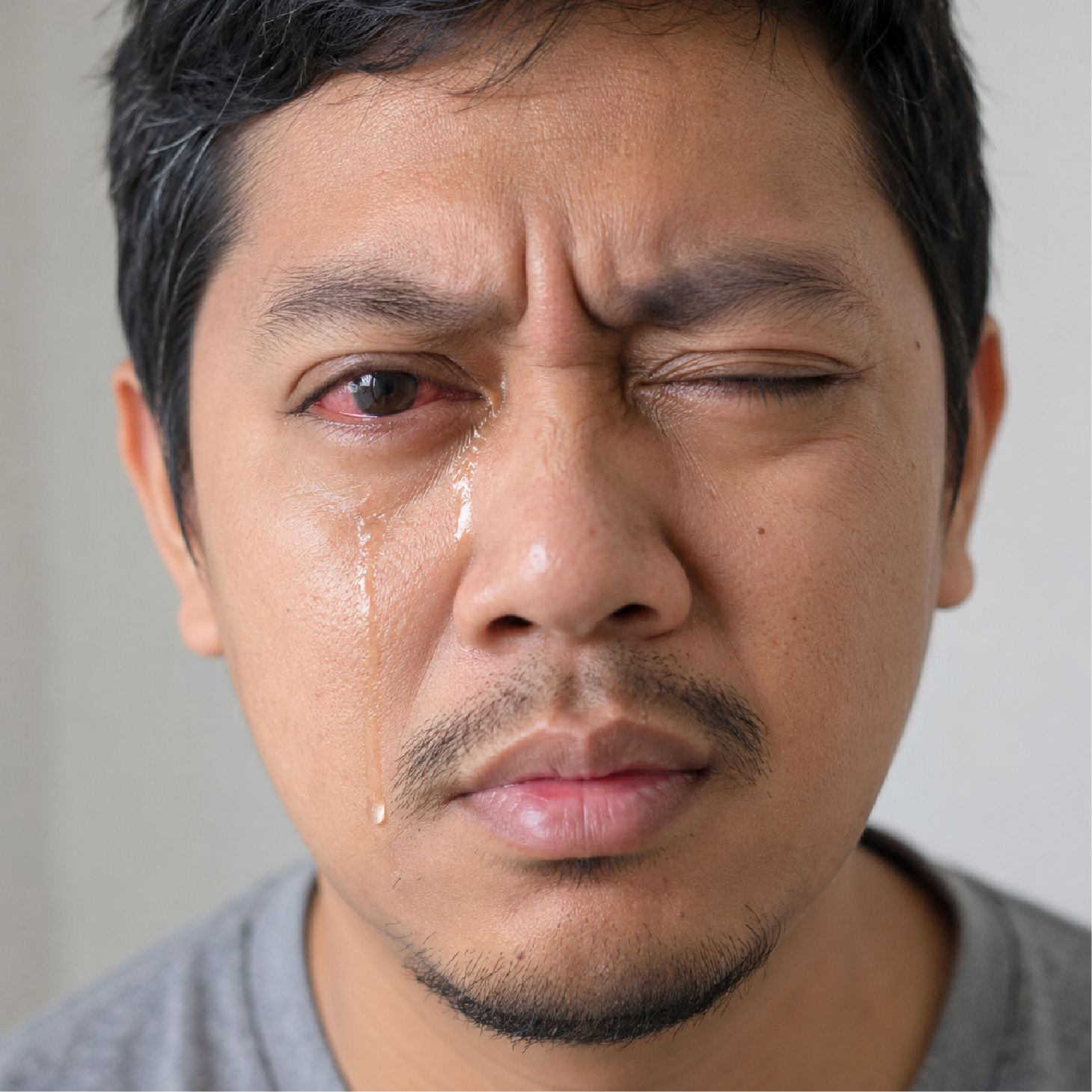
The eyes may look red, bloodshot, or inflamed as the surface of the eye becomes irritated or dry.

Ongoing itchiness, discomfort, or irritation that may make you feel the need to rub or touch your eyes frequently.

Vision may become temporarily blurry or fluctuate throughout the day, often improving after blinking as the tear film is refreshed.

The eyes may feel heavy, tired, or strained, especially after prolonged reading, driving, screen use, or other visually demanding activities.
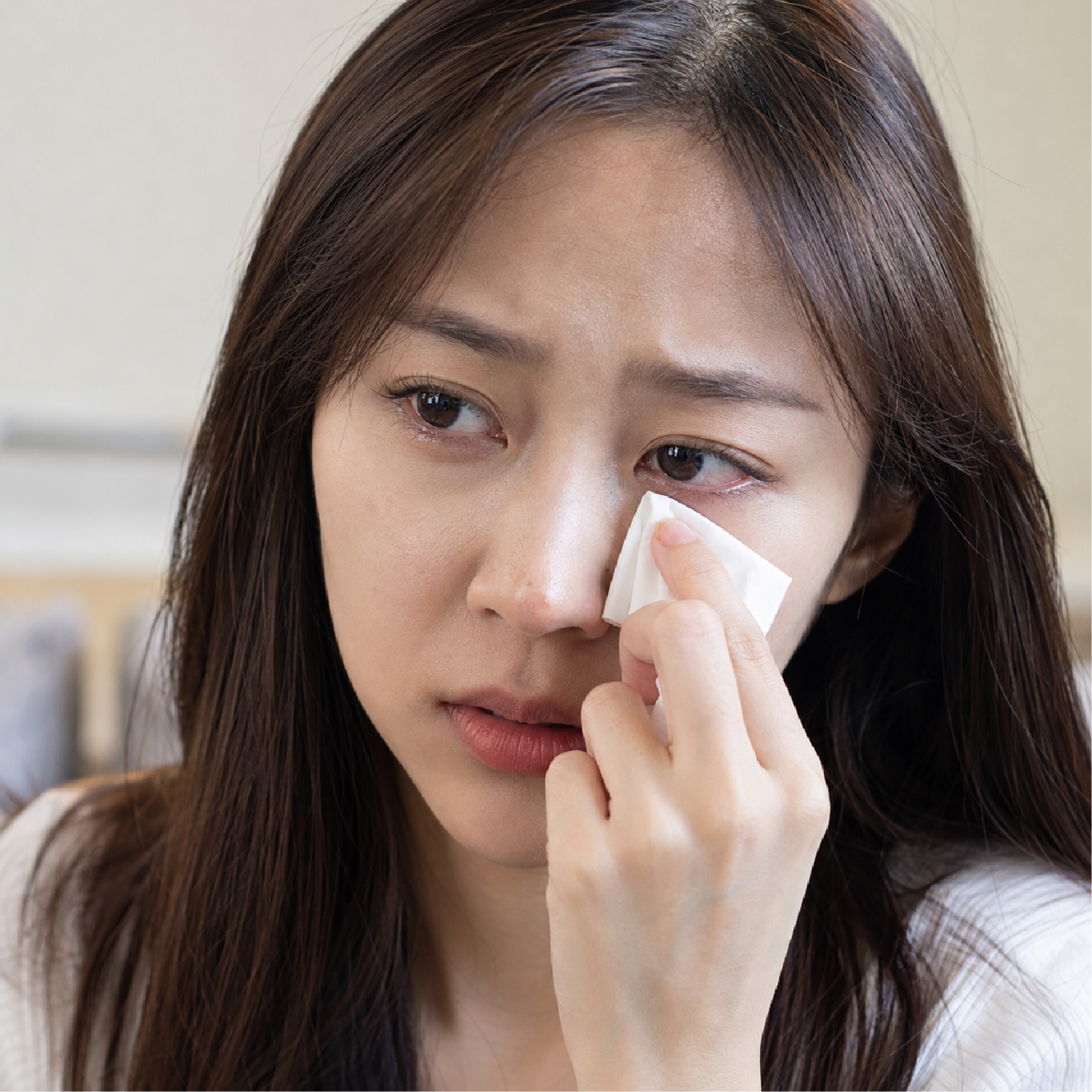
Dry eyes can sometimes trigger excessive watering as the eyes react to irritation. However, these reflex tears may not provide enough lubrication to keep the eye surface comfortably moist.

Bright sunlight, indoor lighting, or glare may feel uncomfortable and can make it harder to keep the eyes open comfortably.
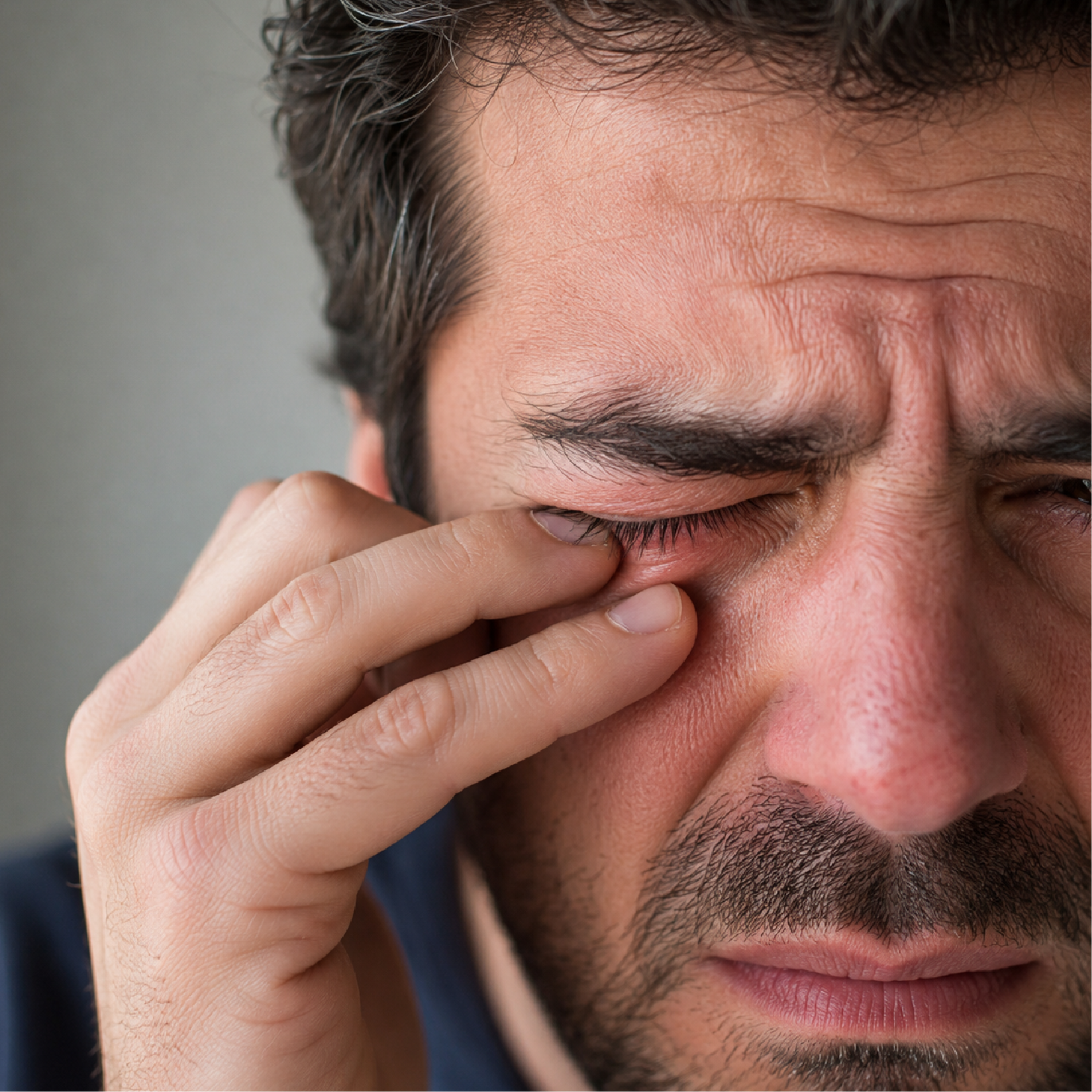
A burning, stinging, or gritty sensation may occur, sometimes creating the feeling that there is sand or a foreign object in the eyes.
Persistent Dryness
Redness
Itching or Irritation
Blurry Vision
Eye Fatigue
Excessive Tearing
Sensitivity to Light
Stinging or Burning

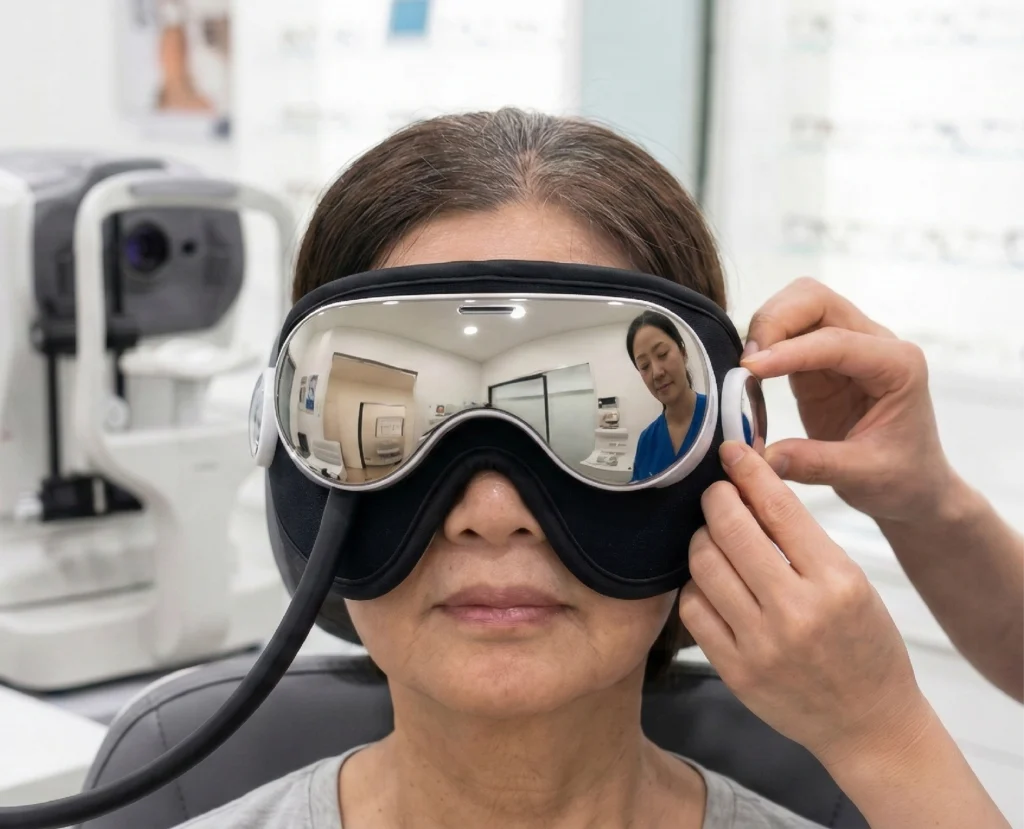
Experience lasting relief with our specialized Dry Eye Therapy! In just 20 minutes, our advanced therapeutic device works to soothe, hydrate, and revitalize your eyes, targeting the root cause of dryness and discomfort.
To enhance the results, follow it up with a refreshing eye wash that thoroughly cleans both the upper and lower lid margins. This gentle yet effective cleansing process removes debris, improves tear film stability, and promotes overall eye comfort.
Our complete and rejuvenating treatment is designed to provide you with the relief you deserve, helping your eyes feel refreshed, healthy, and ready to take on the day!
Dry Eye Assessment & Therapy goes beyond easing discomfort. It identifies the root cause and provides personalized treatments to restore comfort and protect long-term eye health. Using cutting-edge technology, we can improve dry eye symptoms in just 20 minutes. Book an appointment today to assess your condition and explore effective treatment options!