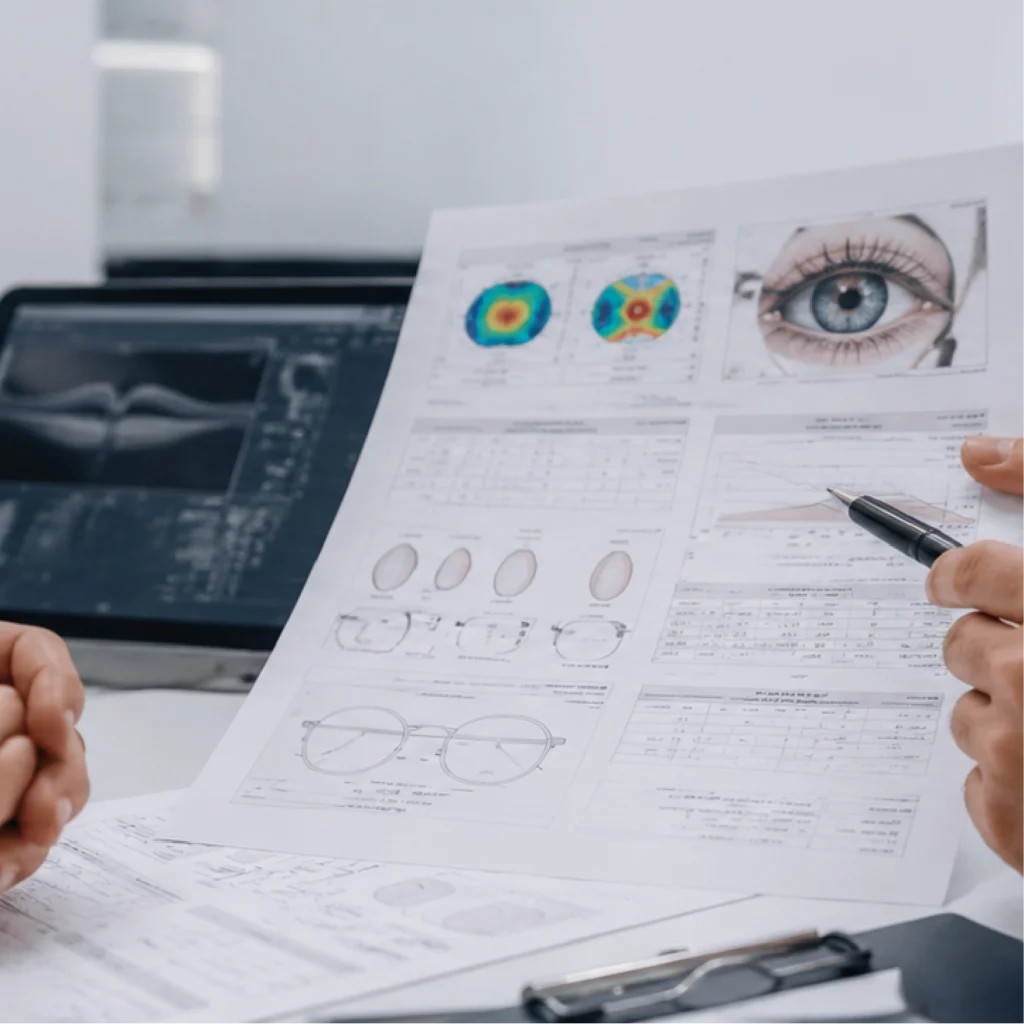
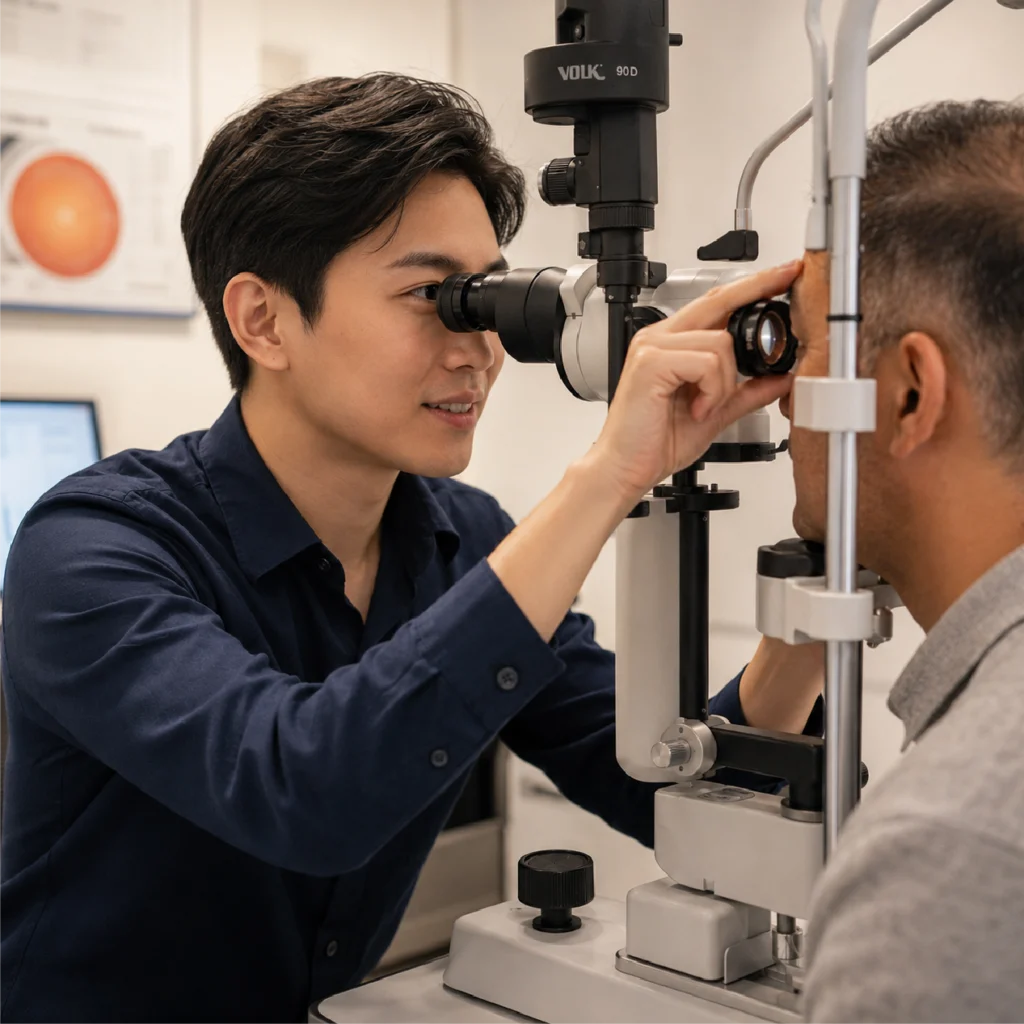
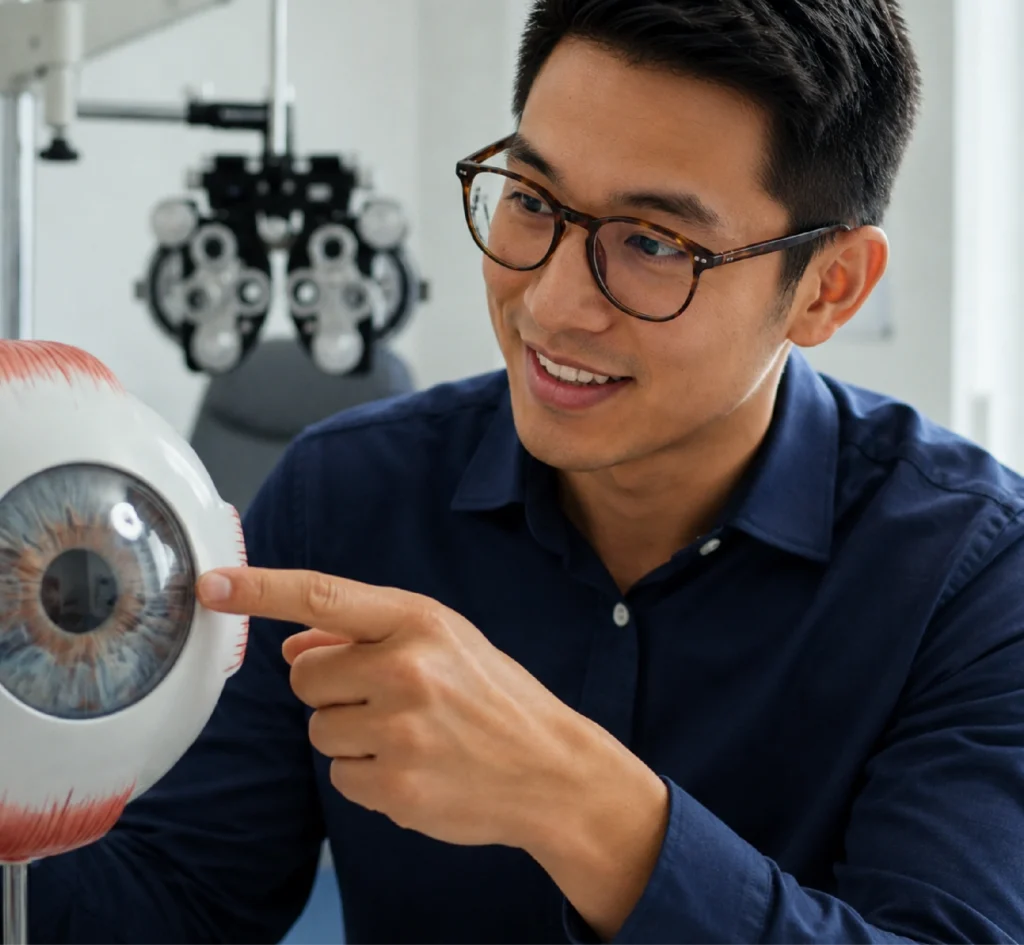

Comprehensive Eye Examination includes a series of essential eye tests designed to thoroughly evaluate your vision, assess overall eye health, and ensure accurate, personalised care tailored to your individual visual needs.

Clinical measure of the eye's ability to resolve fine detail at a standardized distance. It quantifies the clarity or sharpness of central vision, which is essential for tasks such as reading, driving, and facial recognition.

Evaluates the integrity of binocular vision and determines whether a patient can perceive fine levels of depth (fine stereopsis), which is crucial for tasks requiring spatial judgment, such as driving, sports, and certain occupations.

Use pseudo isochromatic colour plates to diagnose a person's ability to perceive and distinguish different colours. It is primarily used to detect color vision deficiencies (CVD), commonly known as color blindness.

This is a standard eye examination used to determine your refractive error and provide the correct prescription before issuing new glasses.
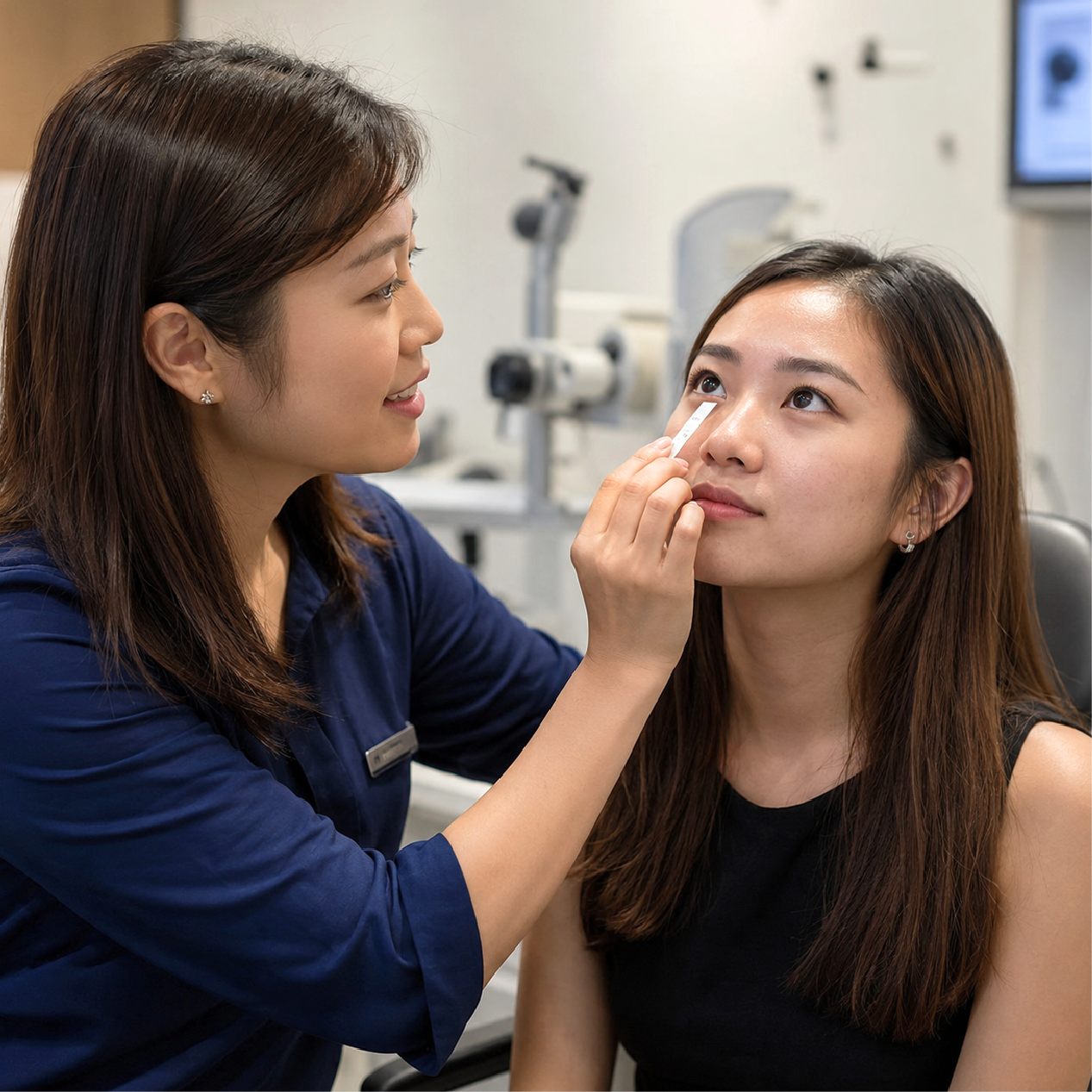
Diagnostic evaluation to determine the presence, type, and severity of Dry Eye Disease (DED). Dry eye occurs when the eyes do not produce enough tears or when the tear film is unstable, leading to discomfort, visual disturbances, and potential ocular surface damage.
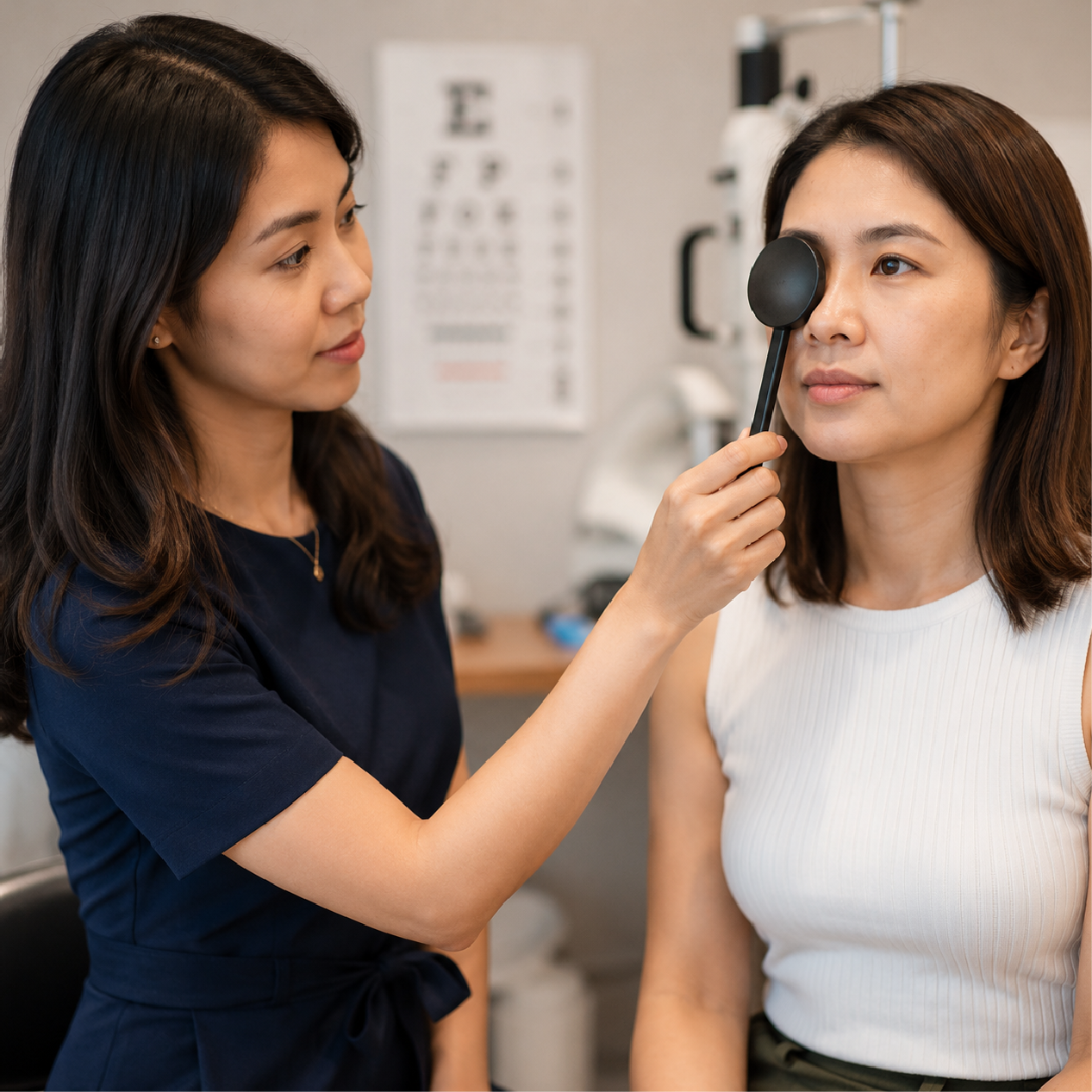
Assess ocular motility, detect muscle imbalances, and identify neurological or mechanical restrictions affecting the eyes’ ability to move in a coordinated and full range.
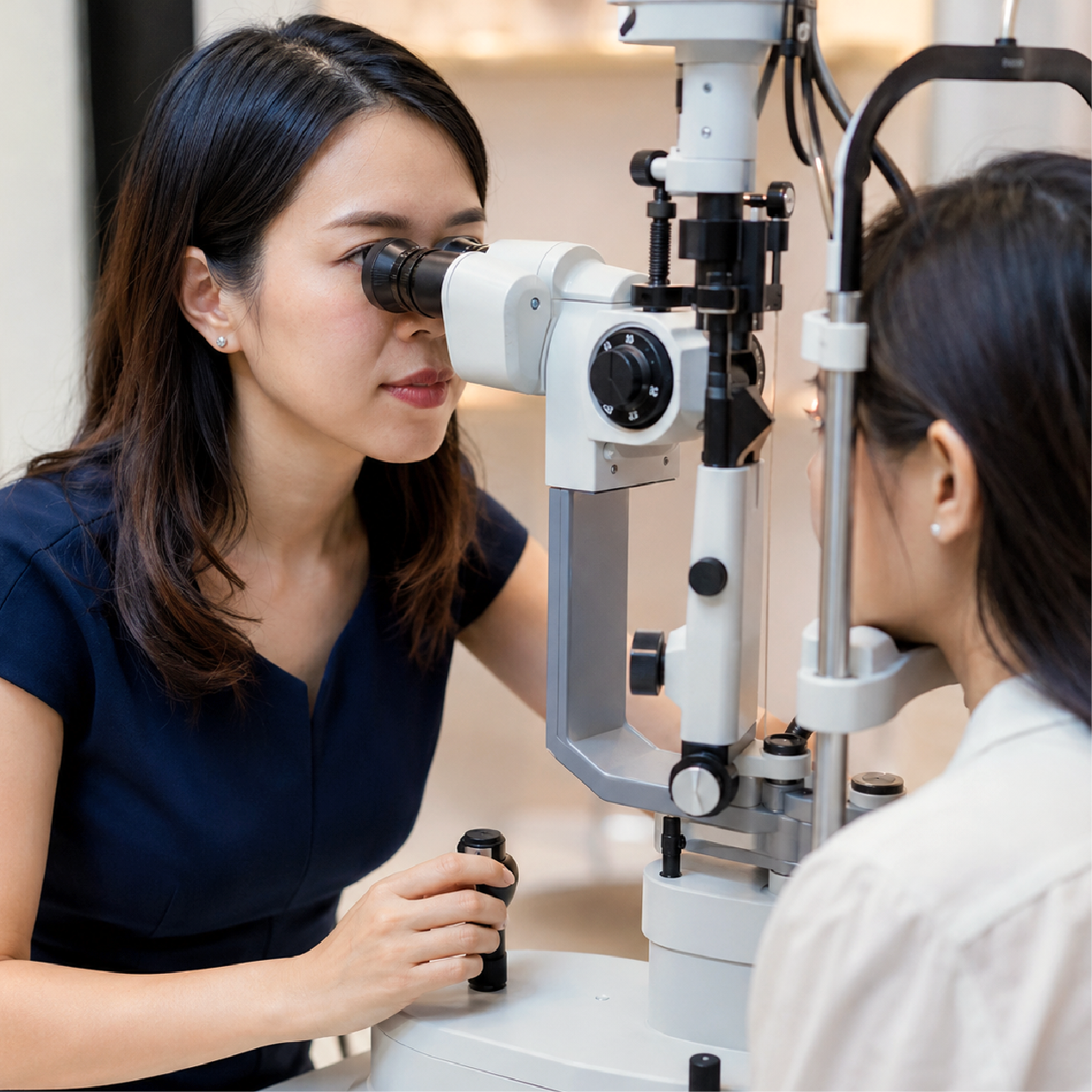
Detailed examination of the front part of the eye, including the cornea, lens, and surrounding structures. Using advanced equipment, this assessment helps detect early signs of eye disease, monitor contact lens safety, and ensure your eyes remain healthy and comfortable.
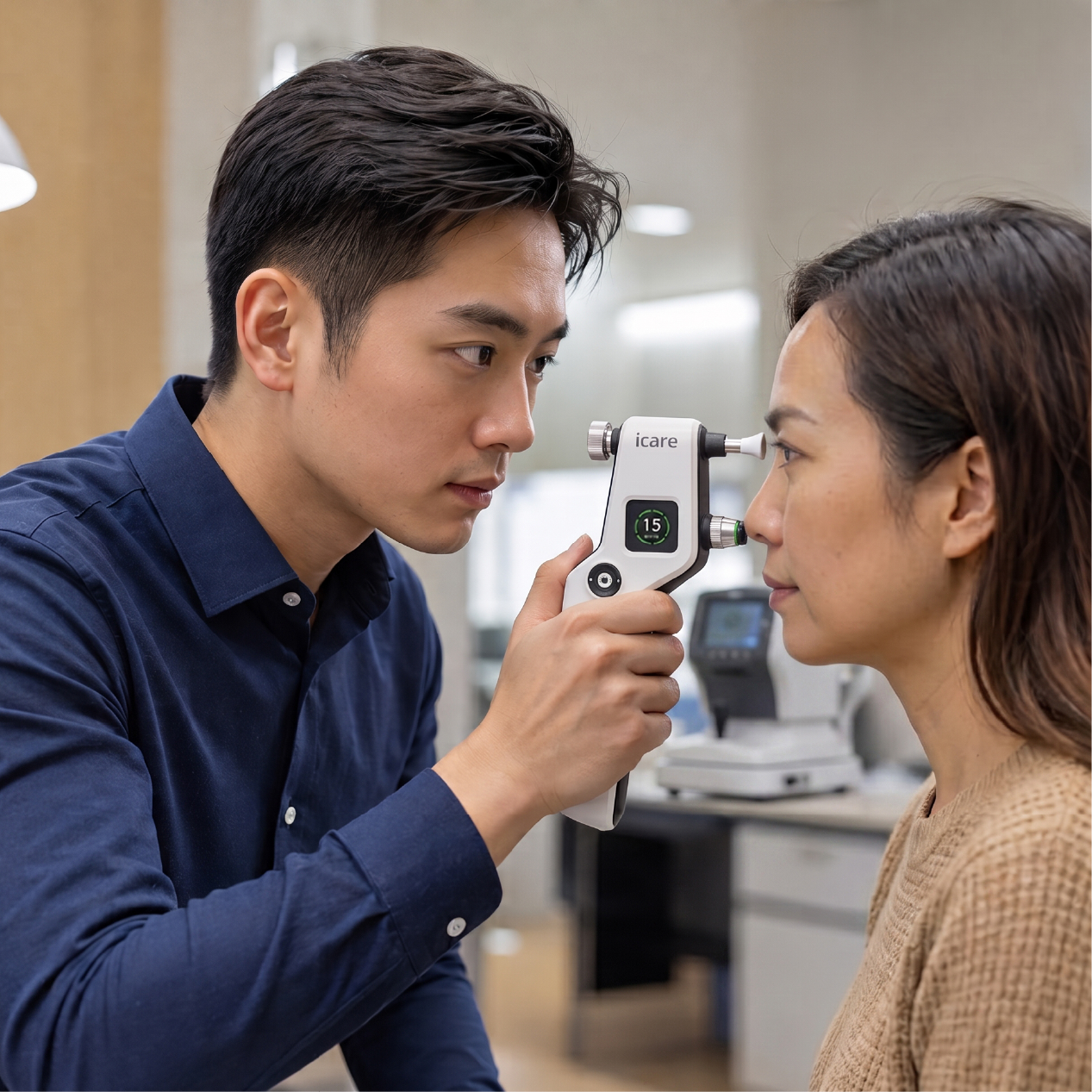
This test measures the pressure inside your eyes, known as intraocular pressure or IOP. It is an important part of glaucoma screening, as high eye pressure may increase the risk of glaucoma and potential vision loss if left untreated.
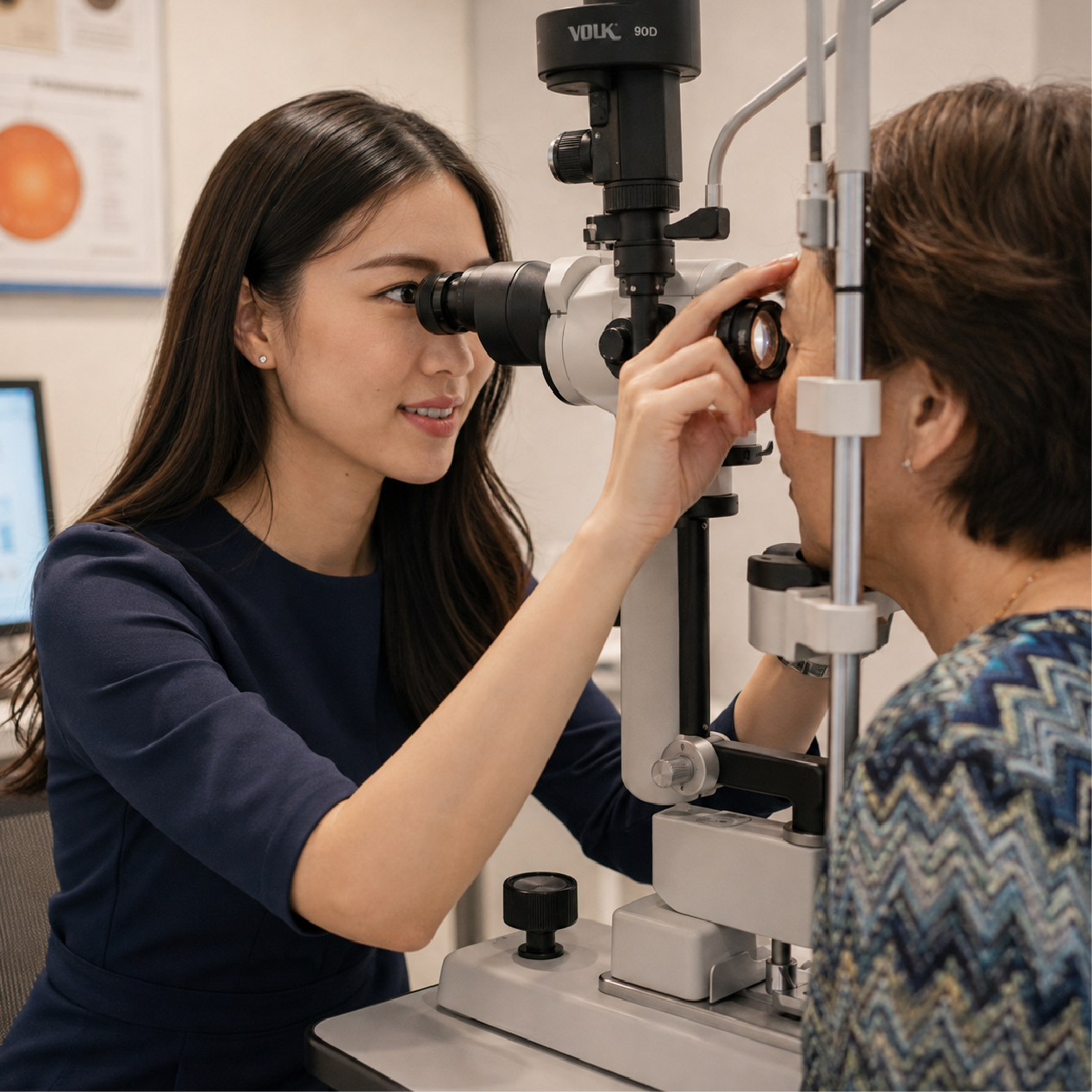
Clinical evaluation of the interior surface of the eye, also known as the ocular fundus, which includes the retina, optic disc, macula, fovea, and retinal blood vessels.

An evaluation of the eye’s natural lens, located behind the iris and pupil. This assessment is essential for detecting the lens’s clarity, position, and function, particularly in relation to cataracts and other lenticular abnormalities.
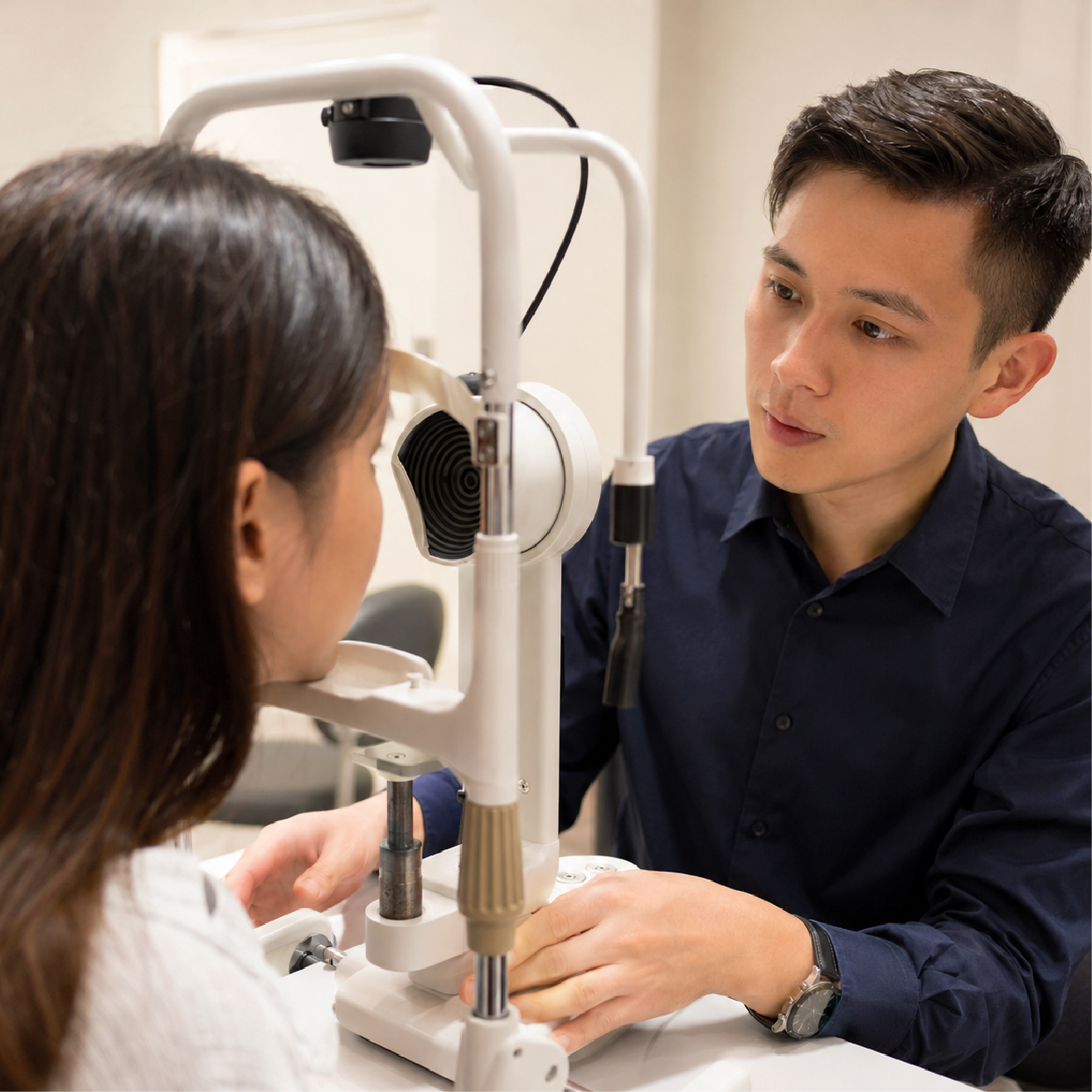
Measurement of the anterior curvature of the cornea, particularly the central 3 mm zone, to determine the corneal refractive power and astigmatism.
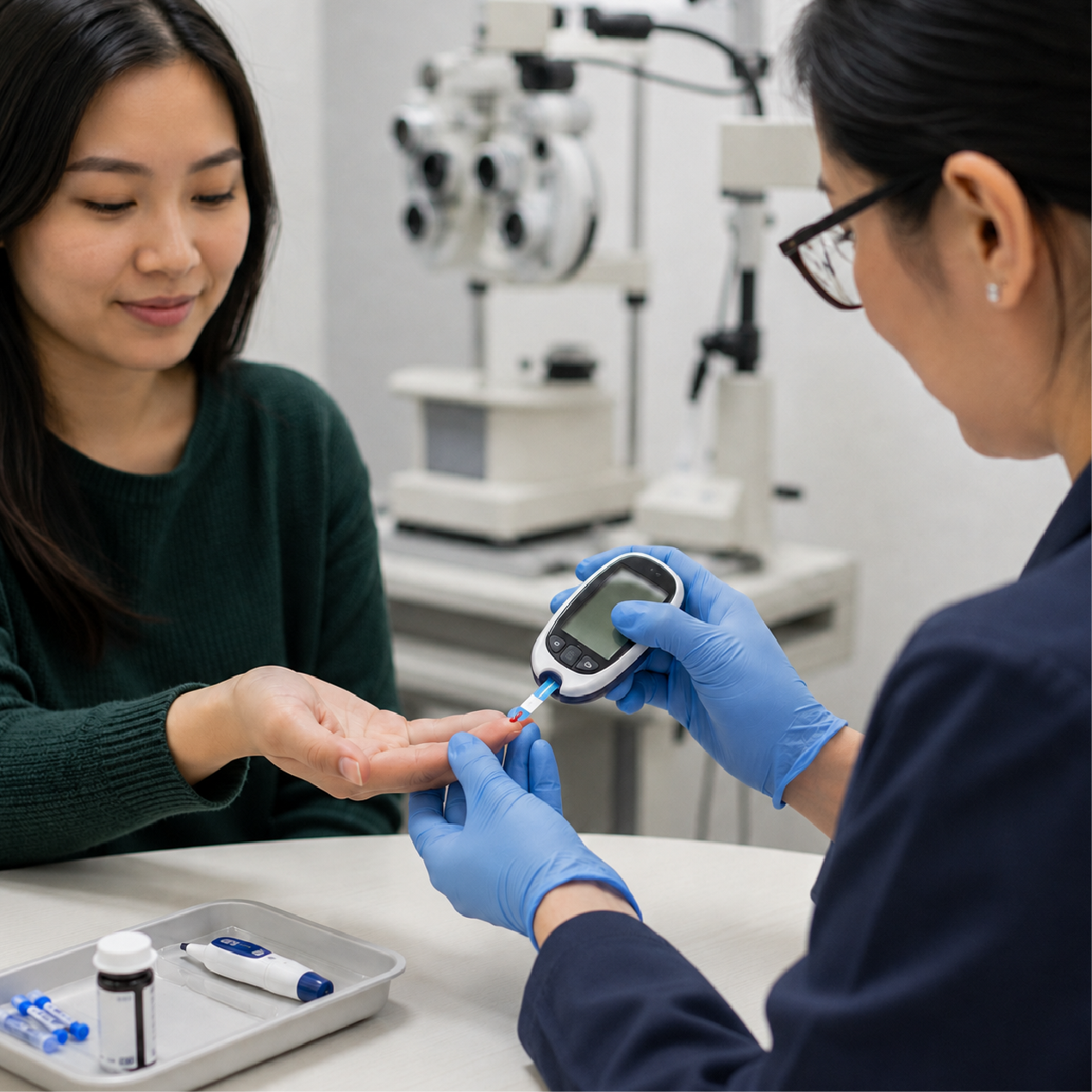
Measures blood sugar levels to evaluate vision risk. Uncontrolled blood sugar levels over time can have a significant impact on eye health, potentially leading to vision loss or blindness.
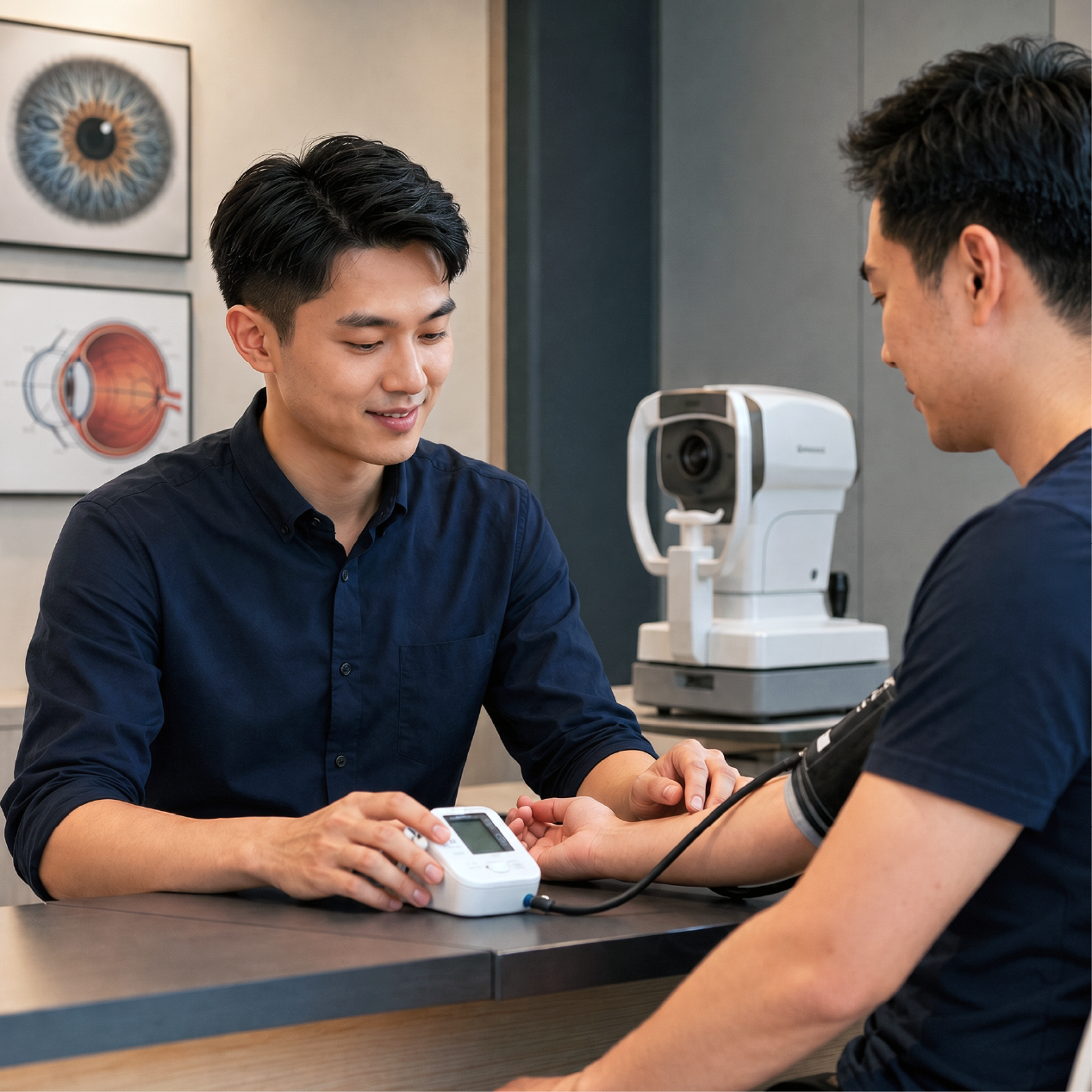
Monitoring blood pressure is crucial for eye health. Uncontrolled high blood pressure (hypertension) can damage the delicate blood vessels in the eyes and lead to vision problems or even blindness.

Visual Acuity

Stereopsis Test

Color Vision Test

Refraction

Dry Eye Assessment
External Ocular Muscle Assessment

Anterior Eye Assessment

Intraocular Pressure Measurement

Fundus Assessment

Crystalline Lens Assessment

Corneal Keratometry
Blood Glucose Test

Blood Pressure