

The posterior segment of the eye includes vital structures such as the crystalline lens, vitreous, retina, macula, and optic nerve head. A Cataract & Posterior Eye Assessment focuses on evaluating these layers to detect the age-related and sight-threatening eye conditions that may not be visible during a basic eye check. Using advanced diagnostic tools, optometrists can assess the clarity of the lens and monitor the progression of the cataract development, as well as evaluate the health of the retina and optic nerve for any signs of abnormality.

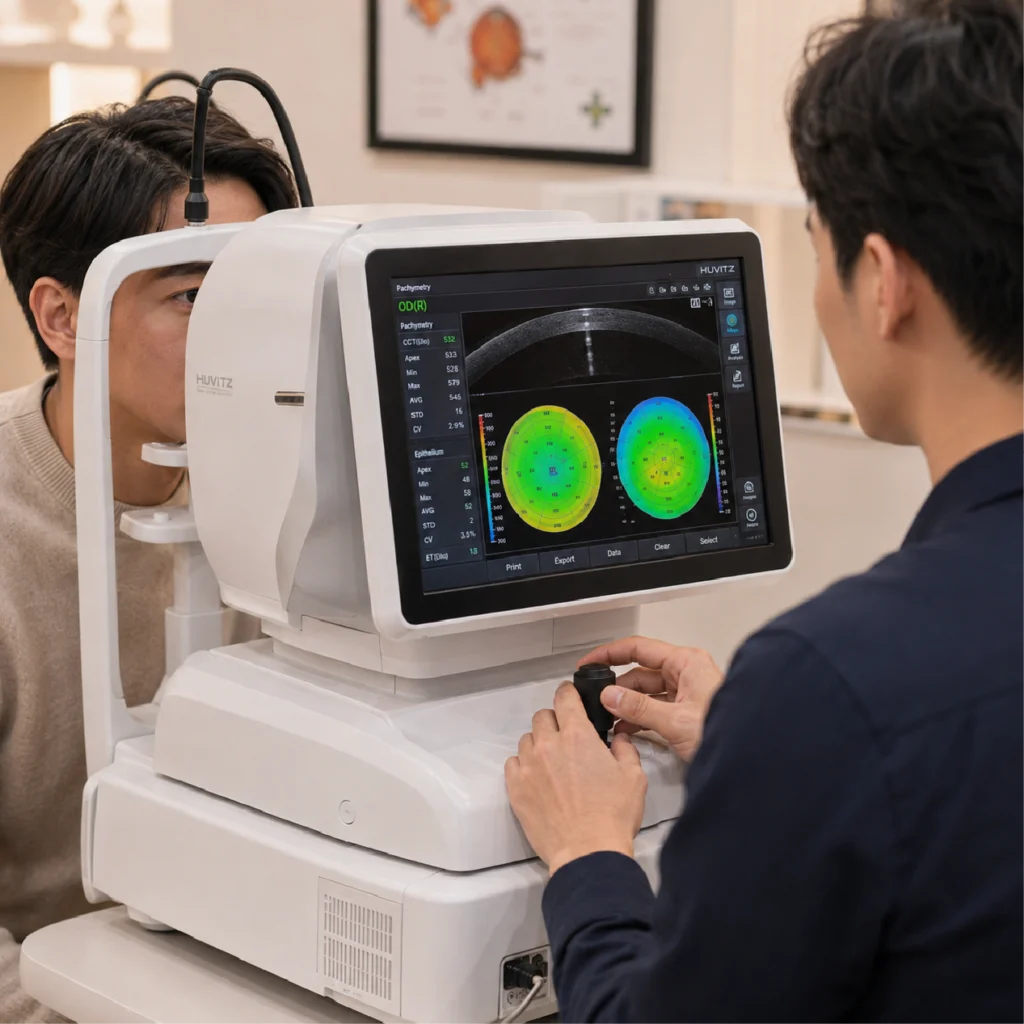
Posterior eye diseases often progress silently without noticeable symptoms until significant vision loss occurs. This assessment helps in the early detection and management of conditions such as:

A gradual clouding of the eye’s natural lens that causes blurred or dim vision, glare sensitivity, and difficulty seeing at night. If left untreated, cataracts can severely impair daily activities and overall quality of life.
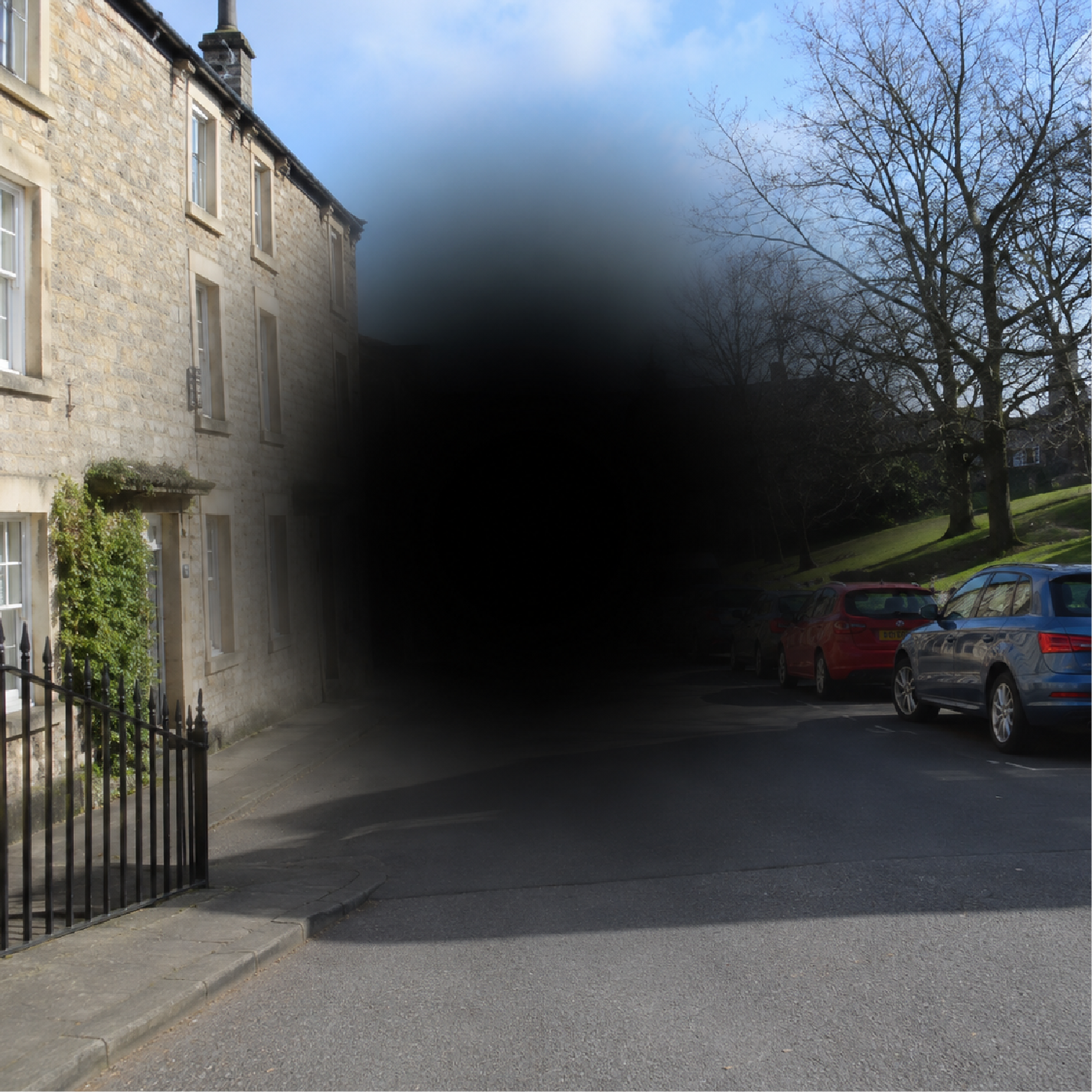
A group of eye diseases that damage the optic nerve, often linked to high eye pressure. Because it develops slowly and without pain, glaucoma is known as the “silent thief of sight”. Without early detection and management, it can lead to permanent, irreversible vision loss.
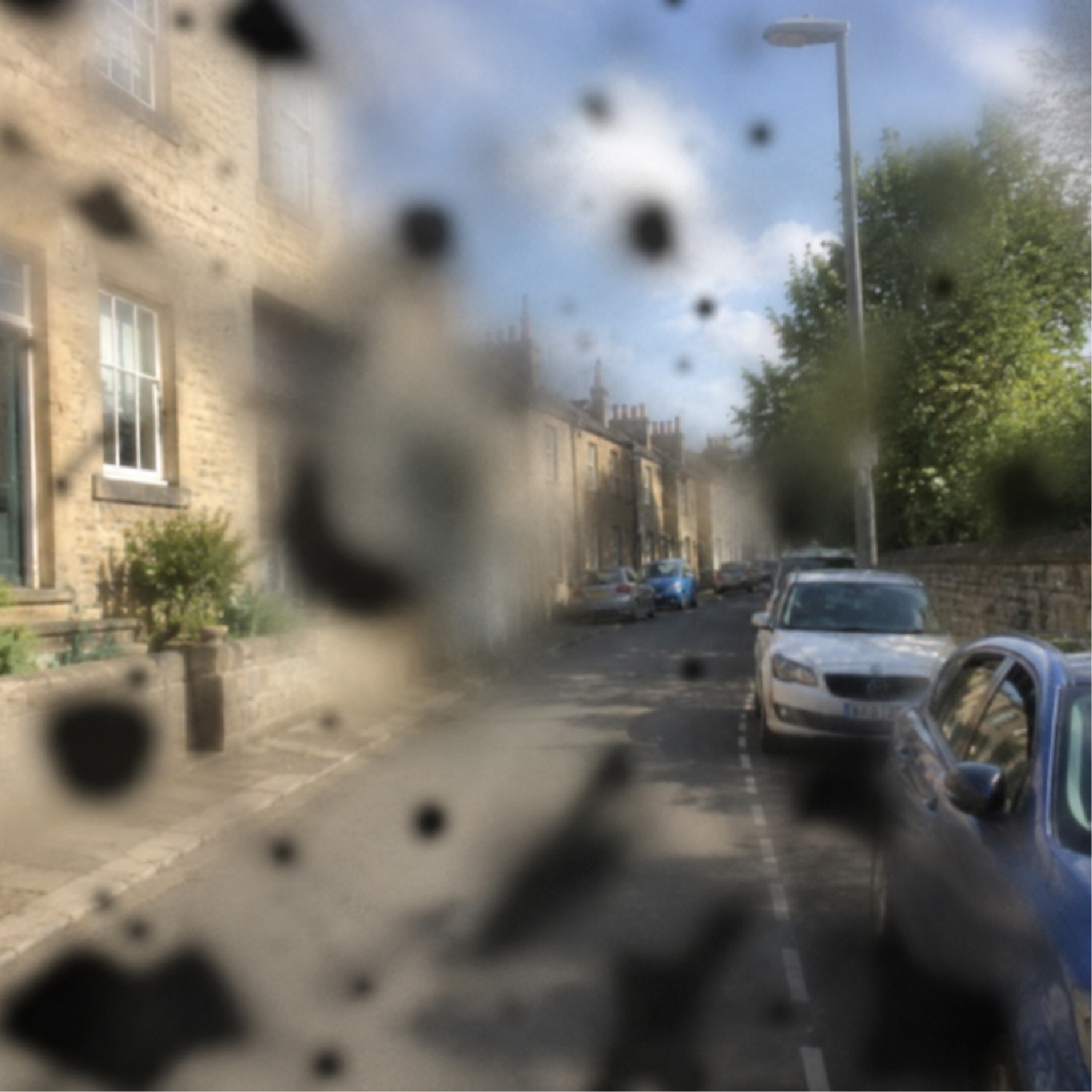
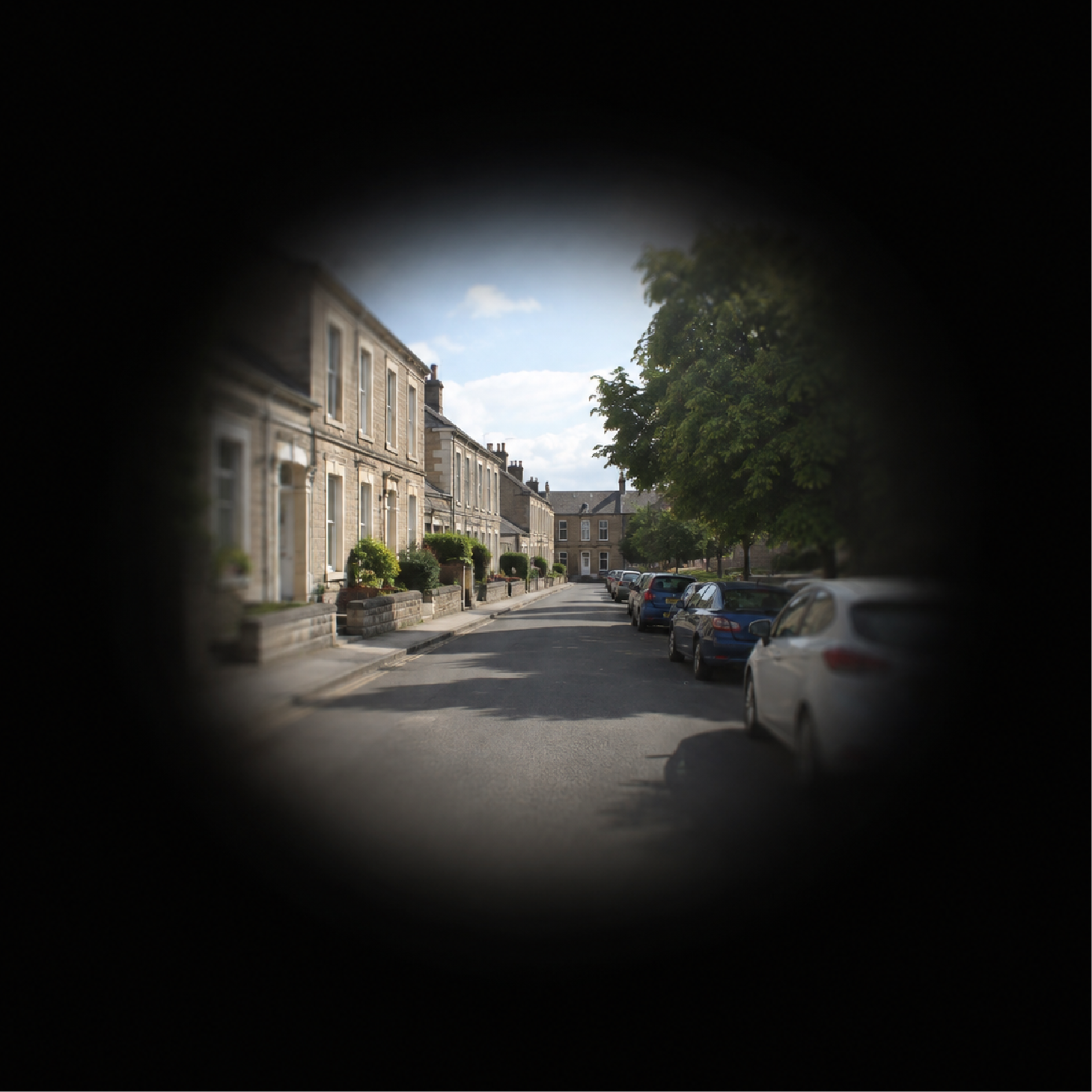
A common age-related condition that affects the macula, the part of the retina responsible for central vision. It causes difficulty with reading, recognizing faces, and performing tasks that require fine detail, making it one of the leading causes of vision loss in older adults.
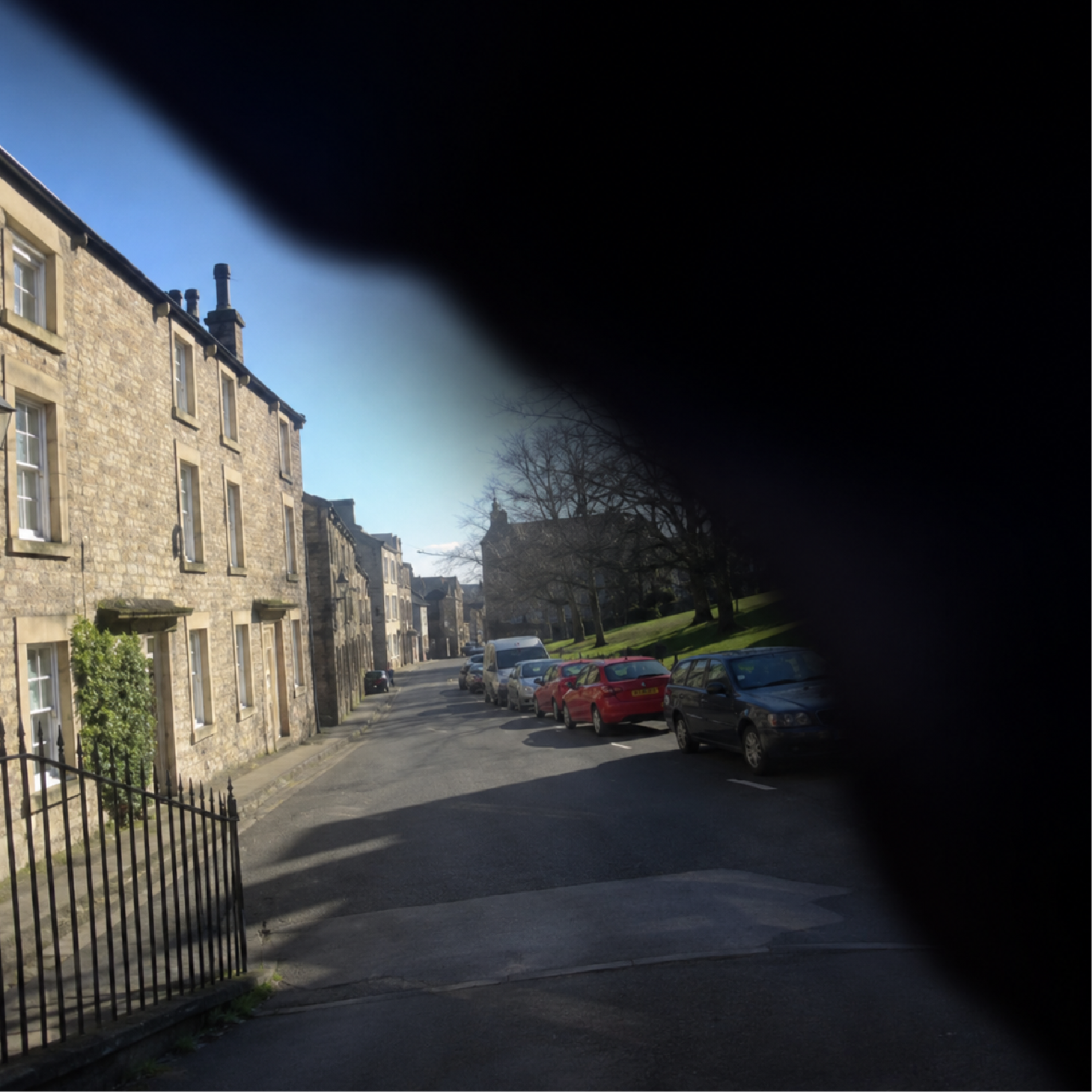
Serious conditions where the retina is torn or separates from the back of the eye. Symptoms may include sudden flashes, floaters, or a dark shadow over part of the vision. These are medical emergencies that require immediate care to prevent permanent sight loss.

Cataracts

Glaucoma

Diabetic Retinopathy

Macular Degeneration (AMD)

Retinal Tears Or Detachments