

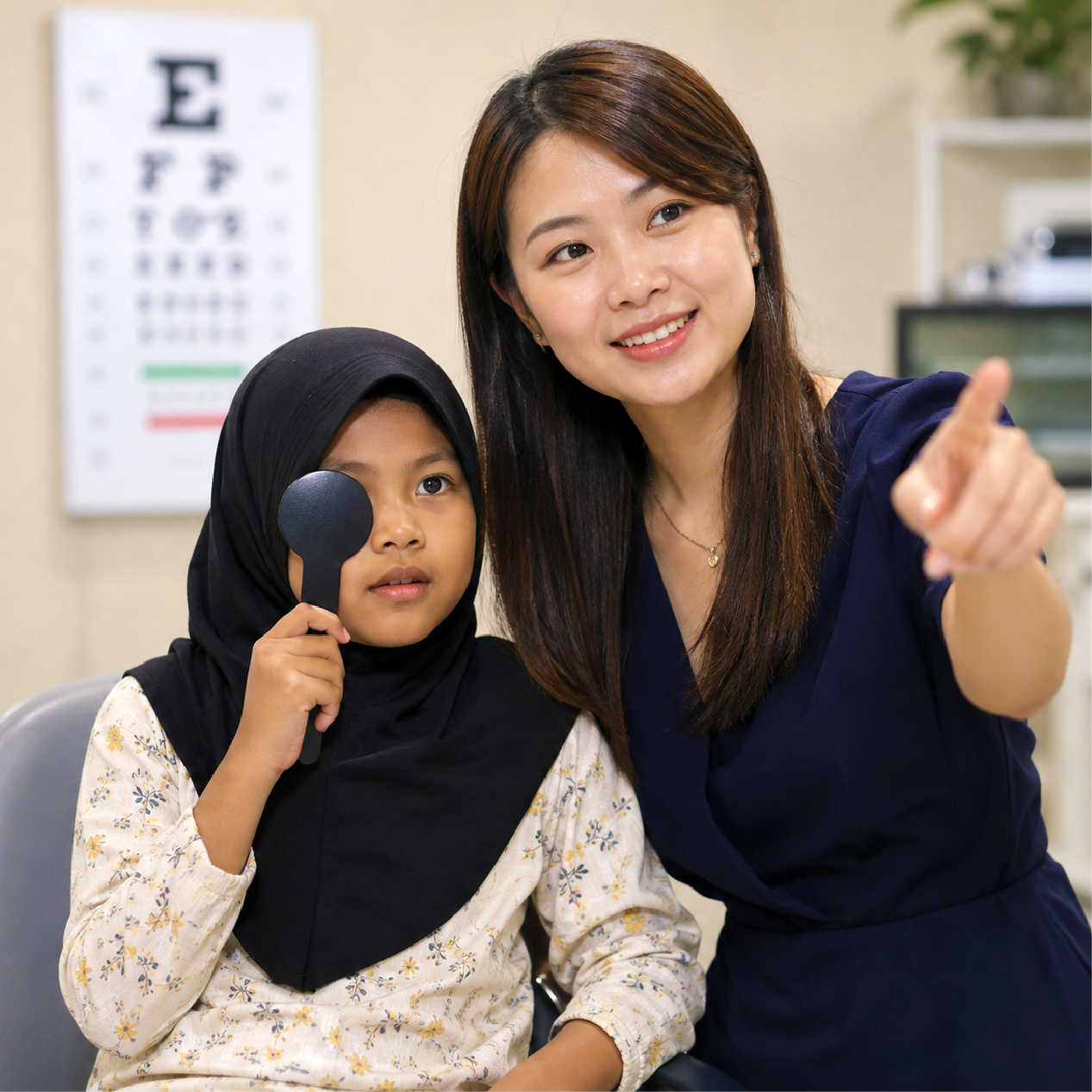
Comprehensive Pediatric Eye Examination

Comprehensive Pediatric Eye Examination (CPEE)

Did you know 80% of a child’s learning occurs through the eyes? 

Early detection is crucial to ensuring your child has good vision, which is essential for successful learning and healthy development. That’s why regular eye exams are so important.

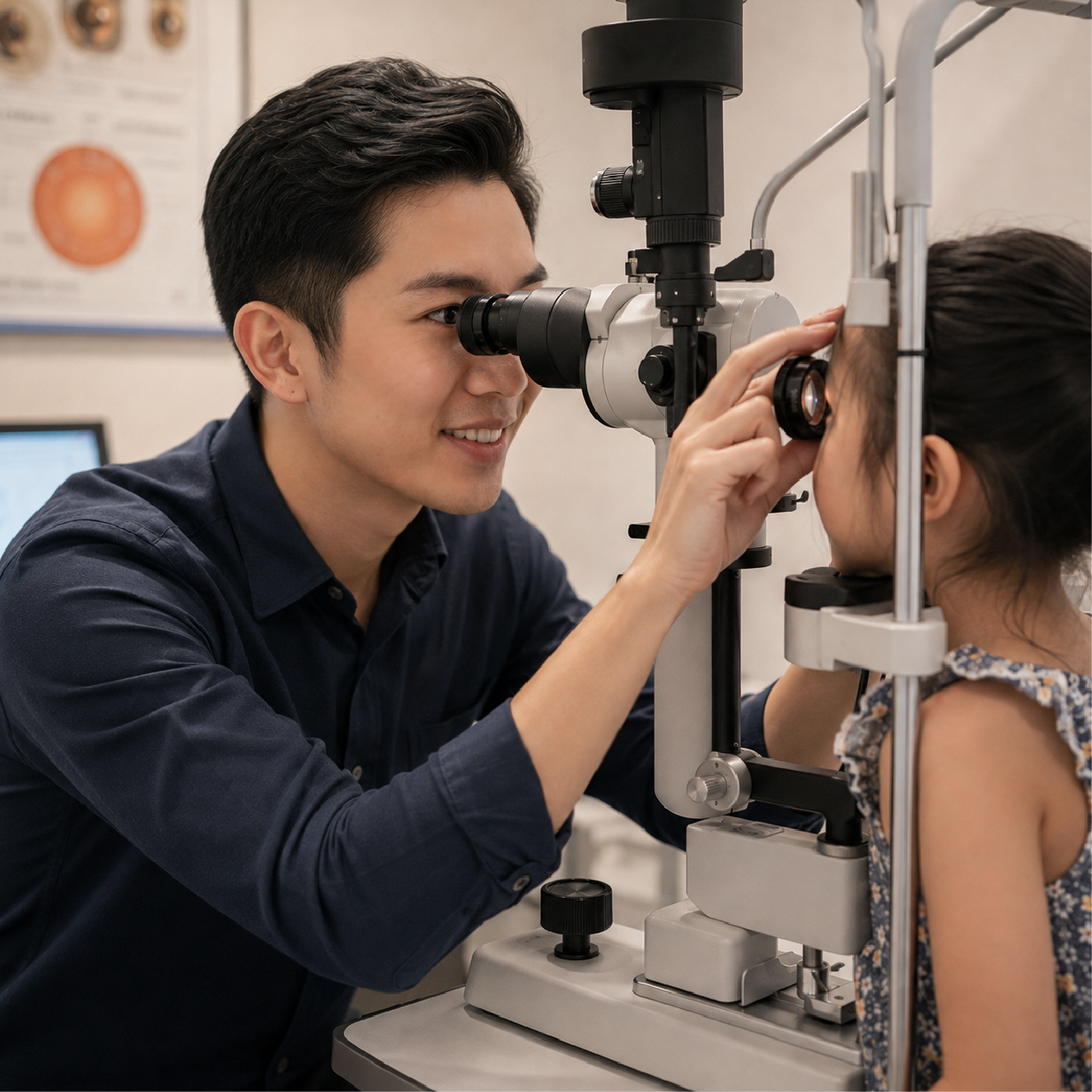
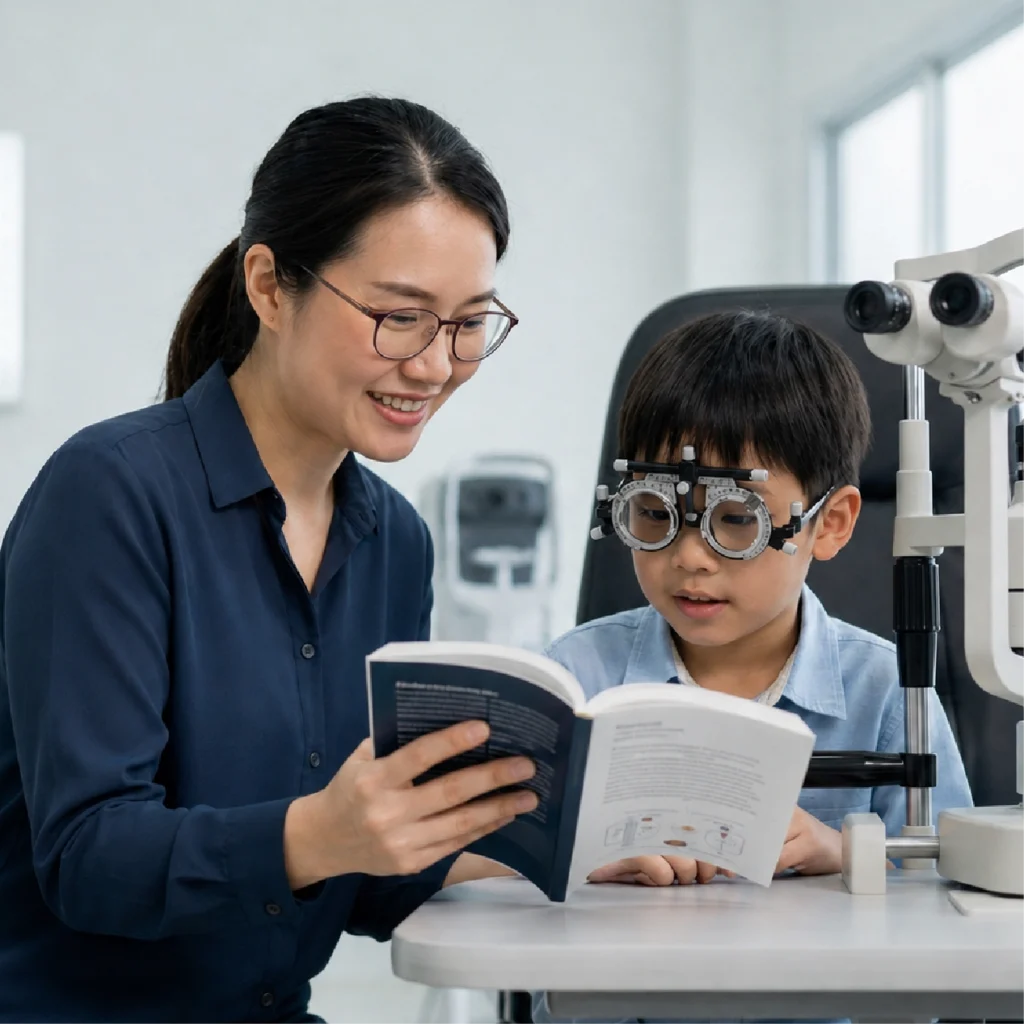
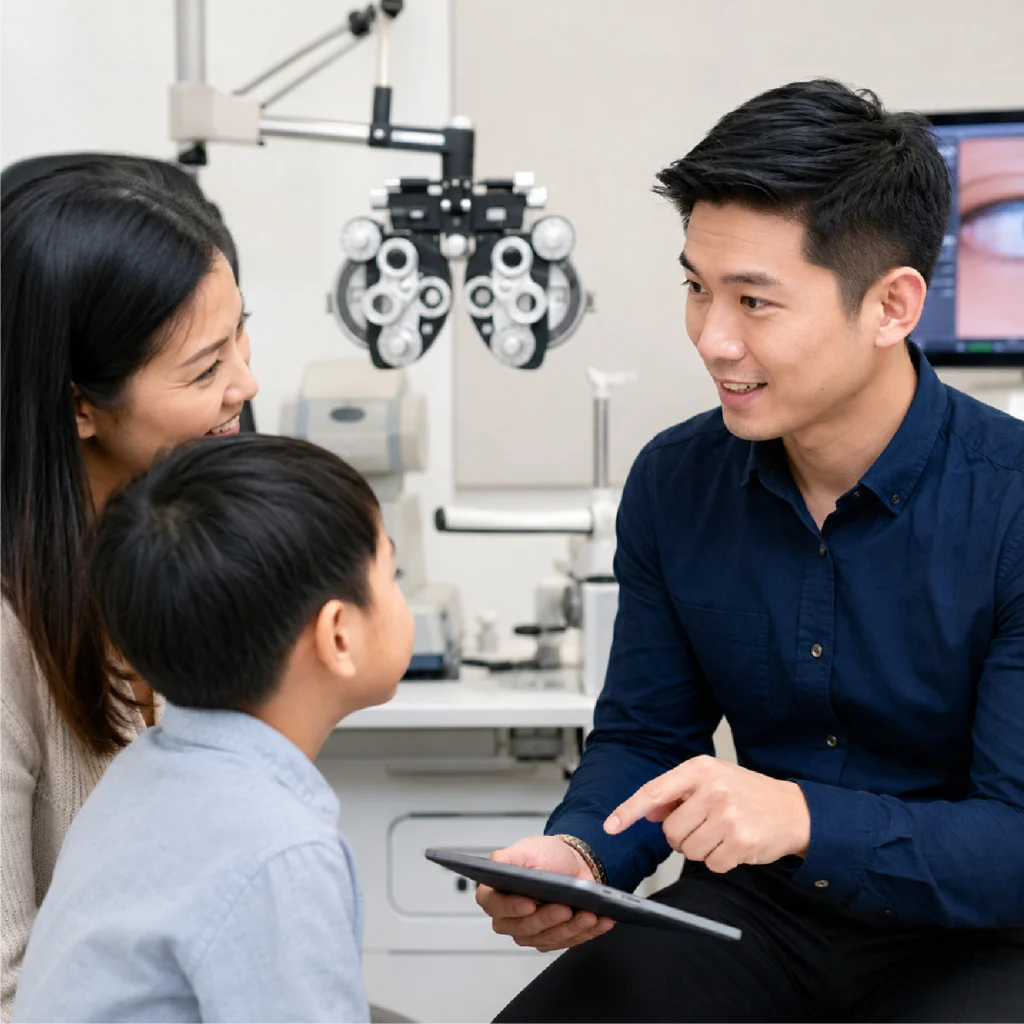
Our pediatric eyes examination is suitable for children from 3 to 16 years old. A series of tests will be performed by our trained Optometrist. Parents or guardians are recommended to accompany your child throughout the eye exam. In some cases, dilation of eyes may be required for further investigation. (Please prepare a pair of sunglasses if dilation is needed)

Good vision plays a vital role in a child’s future. As we always say: “See Better, Learn Better.” Act now and schedule an appointment with us as early detection could prevent lasting damage to your child’s vision.

0

MINUTES

0

PATIENT CHECKED

0

POINT TEST

My child attends a school vision screening every year. Do they still need a comprehensive eye examination?

Yes! A vision screening is not the same as a comprehensive eye exam. School screenings are designed as a basic “pass or refer” check and usually involve only simple, limited tests. While useful, they can easily miss subtle or hidden vision problems.

It’s important to remember that passing a screening doesn’t guarantee healthy eyes. Only a full examination by a qualified optometrist can assess the entire visual system, evaluate eye health, and detect early signs of issues. Identifying problems early helps prevent long-term damage and ensures your child’s vision fully supports their learning and development.

Eye Exam Milestones Every Parent Should Know

According to the American Optometric Association (AOA), children should have their first comprehensive eye exam at 6 months of age, followed by another at age 3, and again before starting school. After that, annual eye exams are recommended to monitor ongoing visual development.

Children’s eyes can change rapidly as they grow, and regular check-ups ensure early detection of any issues that may impact their learning and overall quality of life.

Here’s What We’ll Check

Comprehensive Pediatric Eye Examination includes a series of essential eye tests designed to thoroughly evaluate your vision, assess overall eye health, and ensure accurate, personalised care tailored to your individual visual needs.

Visual Acuity

Visual Acuity

Clinical measure of the eye's ability to resolve fine detail at a standardized distance. It quantifies the clarity or sharpness of central vision, which is essential for tasks such as reading, driving, and facial recognition.

Stereopsis Test

Stereopsis Test

Evaluates the integrity of binocular vision and determines whether a patient can perceive fine levels of depth (fine stereopsis), which is crucial for tasks requiring spatial judgment, such as driving, sports, and certain occupations.
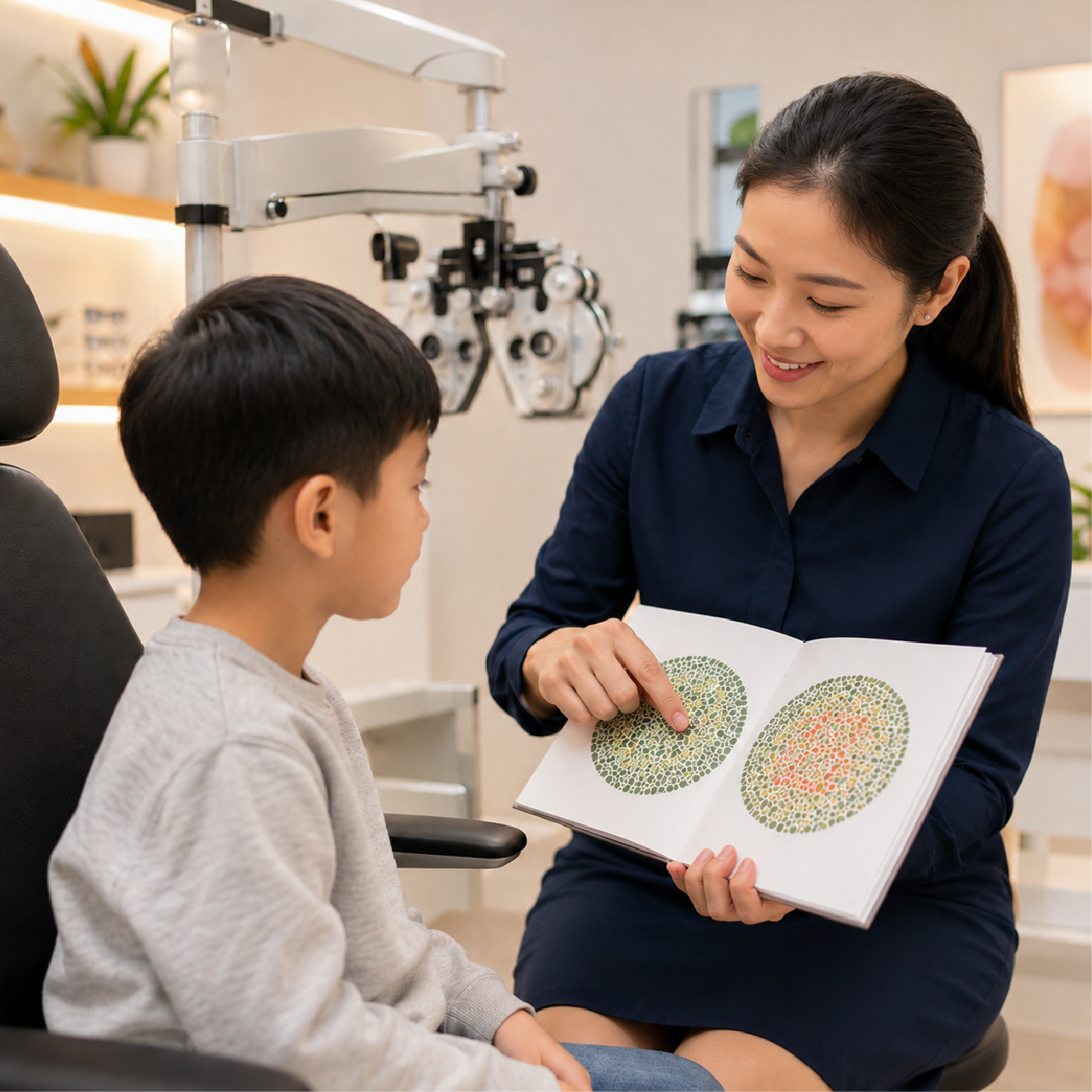
Color Vision Test

Color Vision Test

Use pseudo isochromatic colour plates to diagnose a person's ability to perceive and distinguish different colours. It is primarily used to detect color vision deficiencies (CVD), commonly known as color blindness.
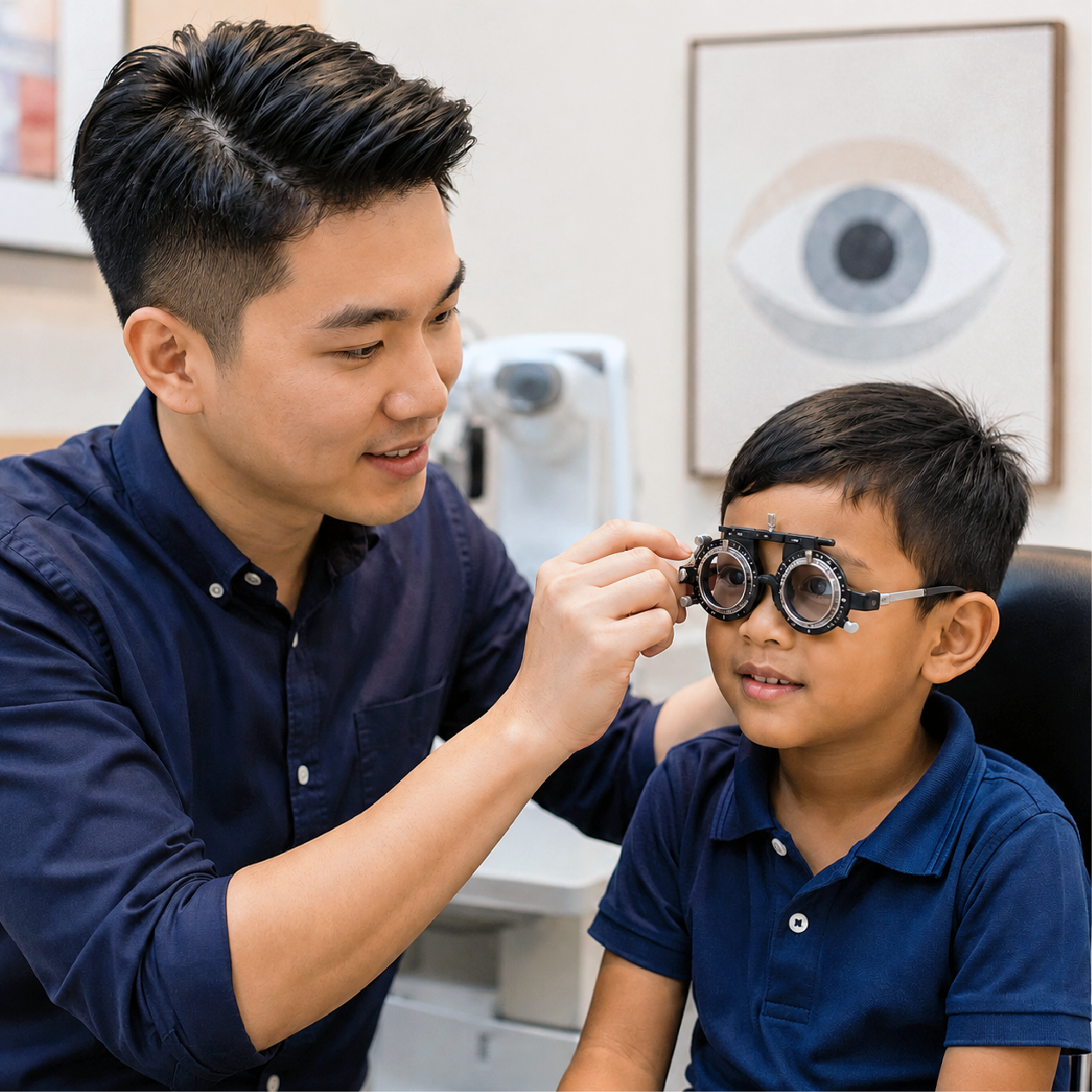
Refraction

Refraction

This is a standard eye examination used to determine your refractive error and provide the correct prescription before issuing new glasses.
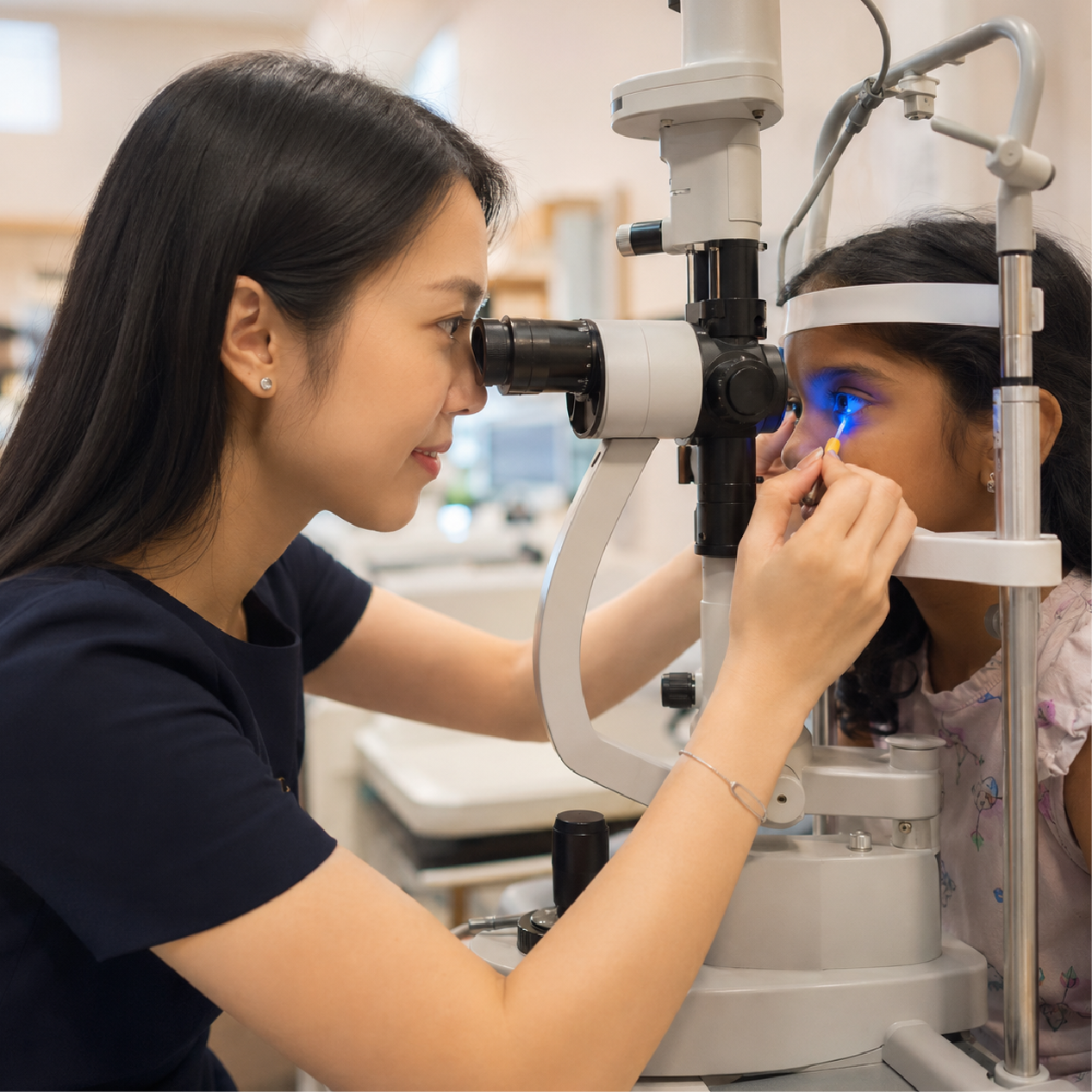
Dry Eye Assessment

Dry Eye Assessment

Diagnostic evaluation to determine the presence, type, and severity of Dry Eye Disease (DED). Dry eye occurs when the eyes do not produce enough tears or when the tear film is unstable, leading to discomfort, visual disturbances, and potential ocular surface damage.
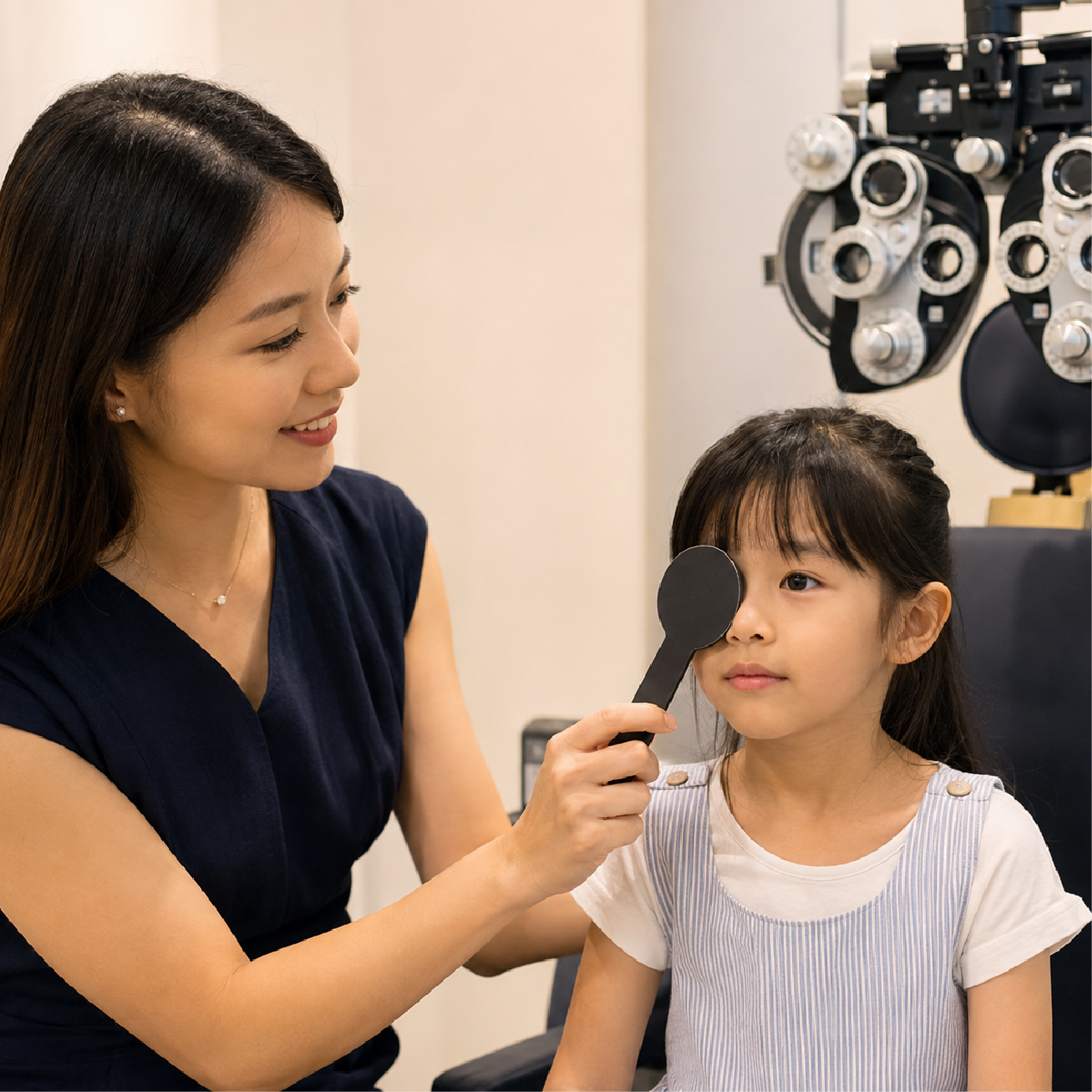
External Ocular Muscle Assessment

External Ocular Muscle Assessment

Assess ocular motility, detect muscle imbalances, and identify neurological or mechanical restrictions affecting the eyes’ ability to move in a coordinated and full range.
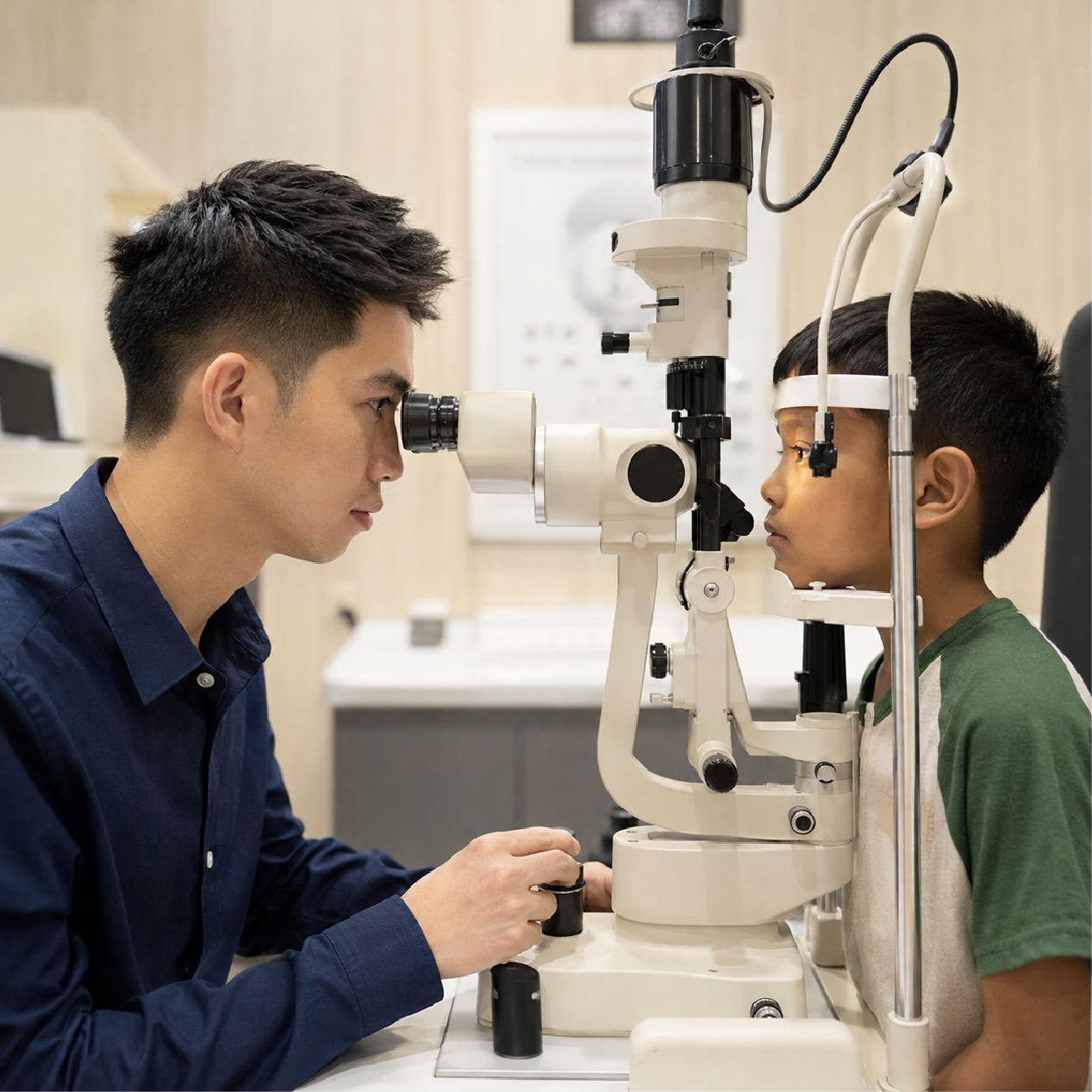
Anterior Eye Assessment

Anterior Eye Assessment

Detailed examination of the front part of the eye, including the cornea, lens, and surrounding structures. Using advanced equipment, this assessment helps detect early signs of eye disease, monitor contact lens safety, and ensure your eyes remain healthy and comfortable.
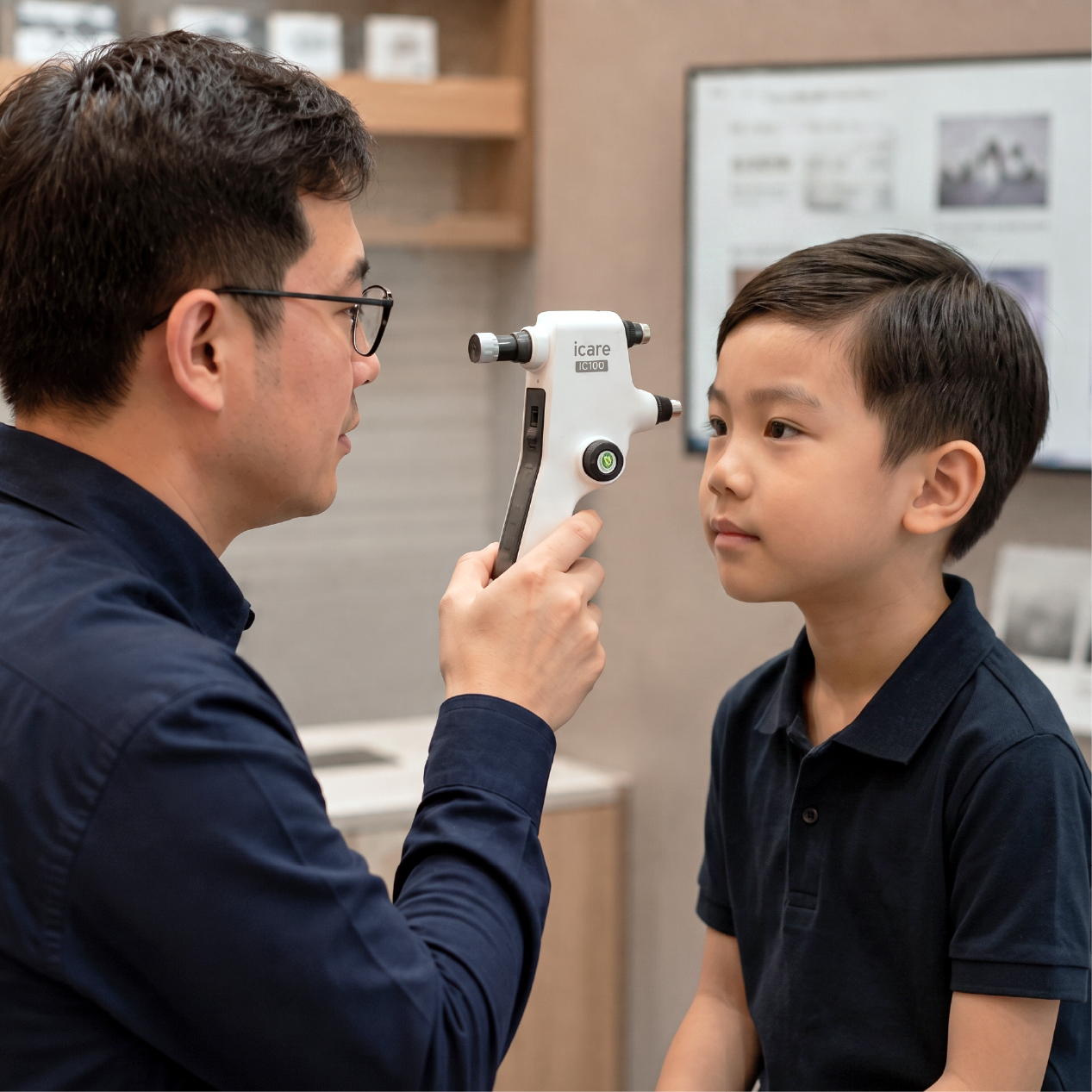
Intraocular Pressure Measurement

Intraocular Pressure Measurement

Key diagnostic test in assessing ocular health, particularly in the detection and management of glaucoma.

Fundus Assessment

Fundus Assessment

Clinical evaluation of the interior surface of the eye, also known as the ocular fundus, which includes the retina, optic disc, macula, fovea, and retinal blood vessels.
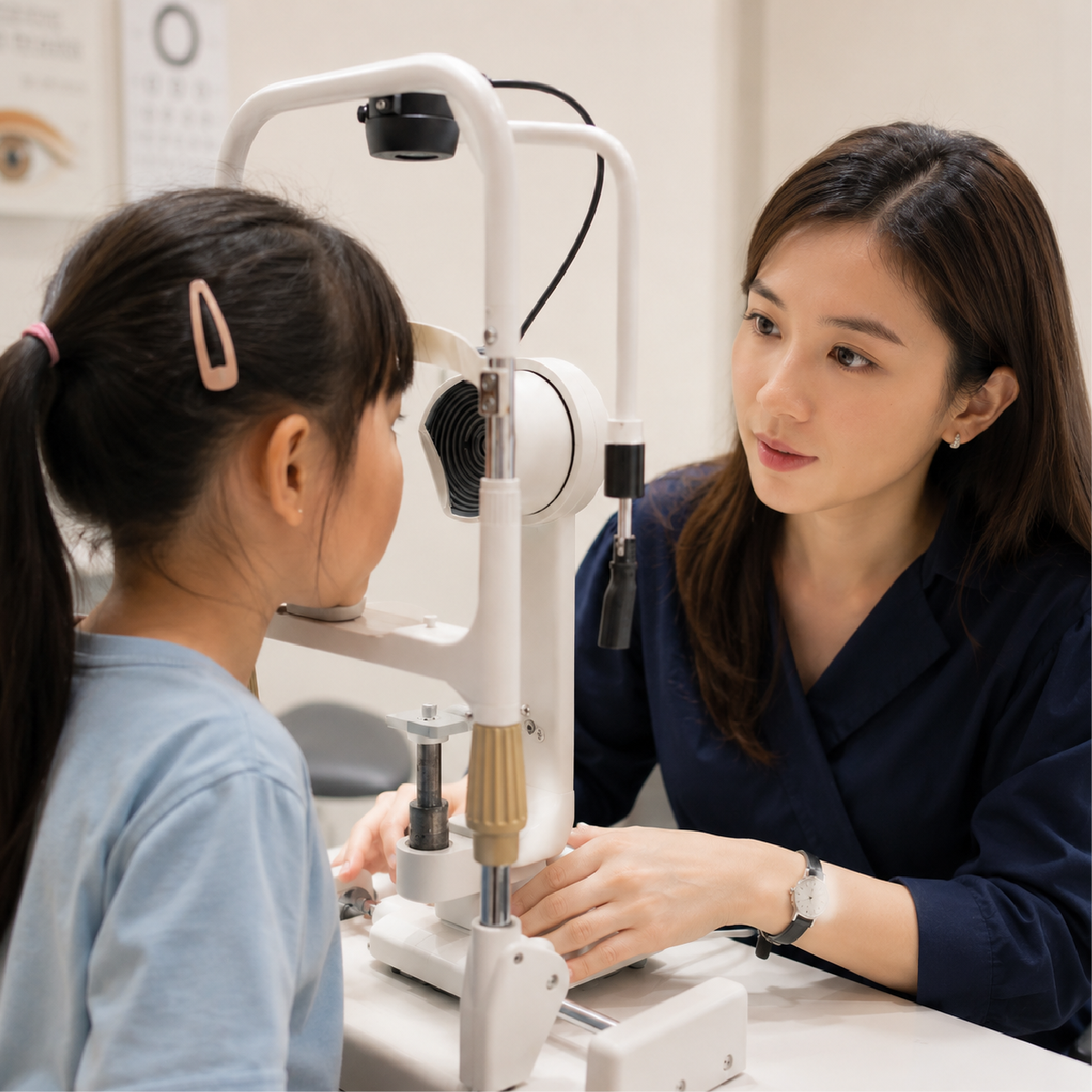
Corneal Keratometry

Corneal Keratometry

Measurement of the anterior curvature of the cornea, particularly the central 3 mm zone, to determine the corneal refractive power and astigmatism.
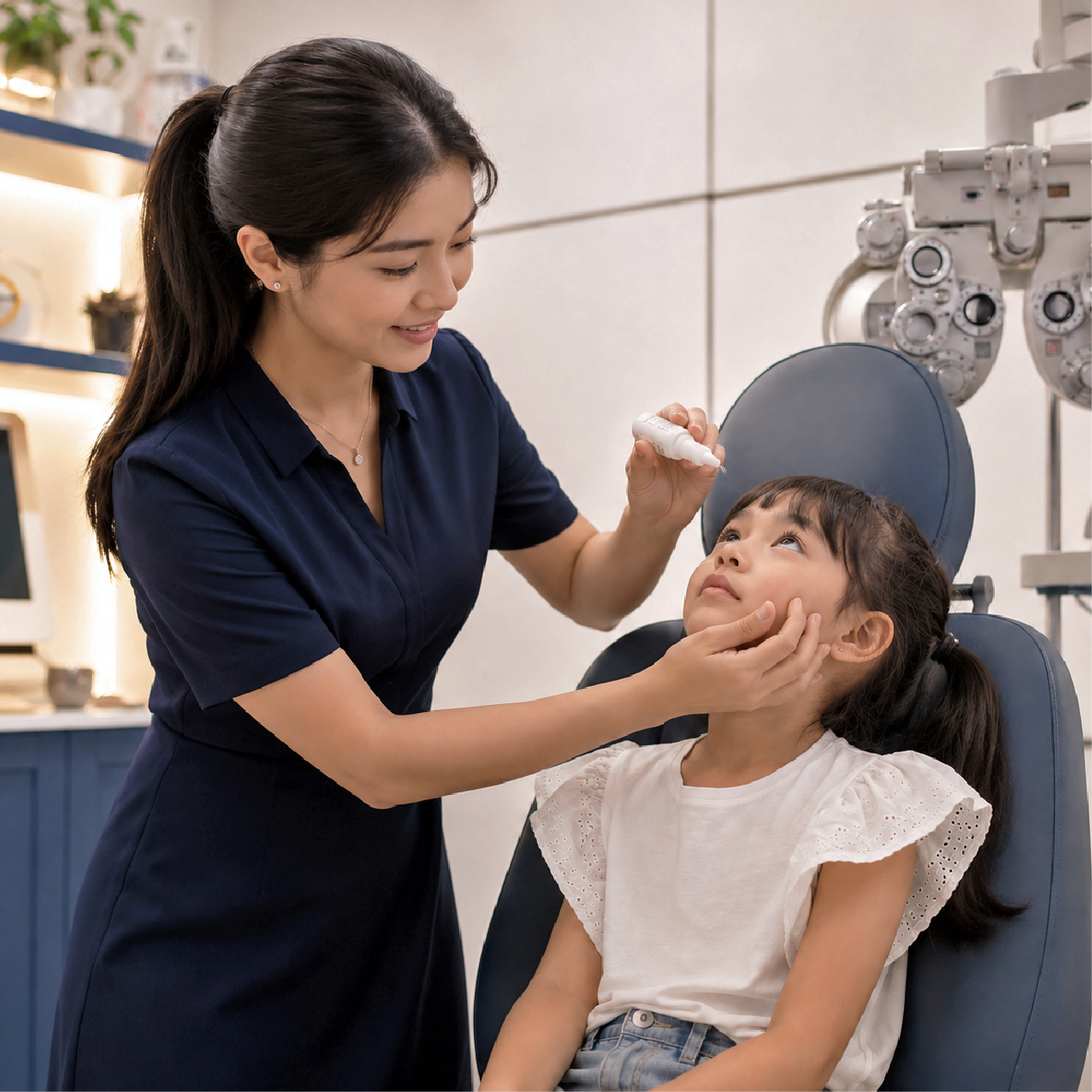
Cycloplegic Refraction

Cycloplegic Refraction

A specialized eye test used to accurately determine a child’s true refractive error (i.e., whether they need glasses for nearsightedness, farsightedness, or astigmatism) by temporarily relaxing their focusing muscles.
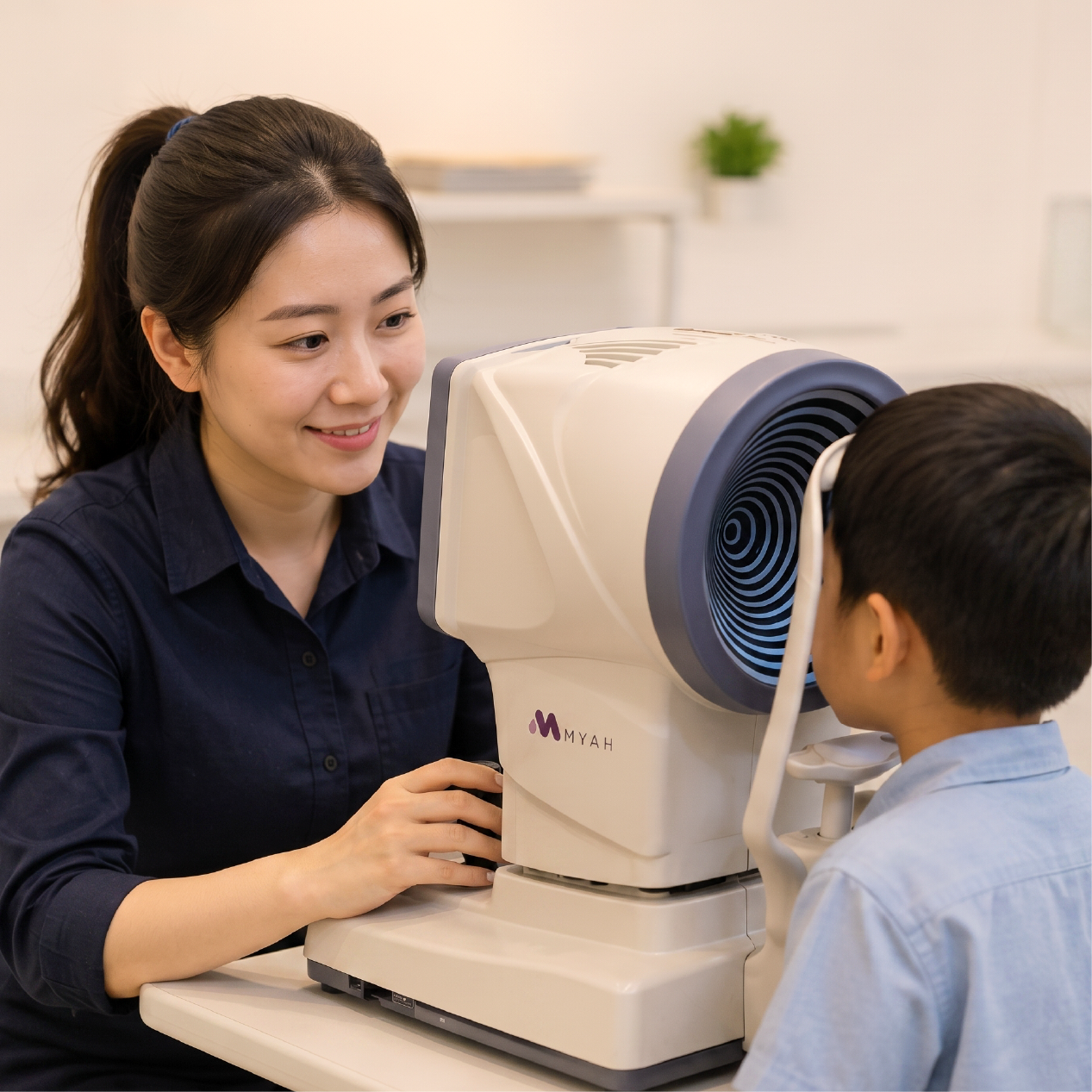
Axial Length Measurement

Axial Length Measurement

A diagnostic test that determines the length of the eyeball from the corneal surface to the retina. This measurement is essential in predicting the risk of myopia (short-sightedness) development and monitoring how the eye grows over time.
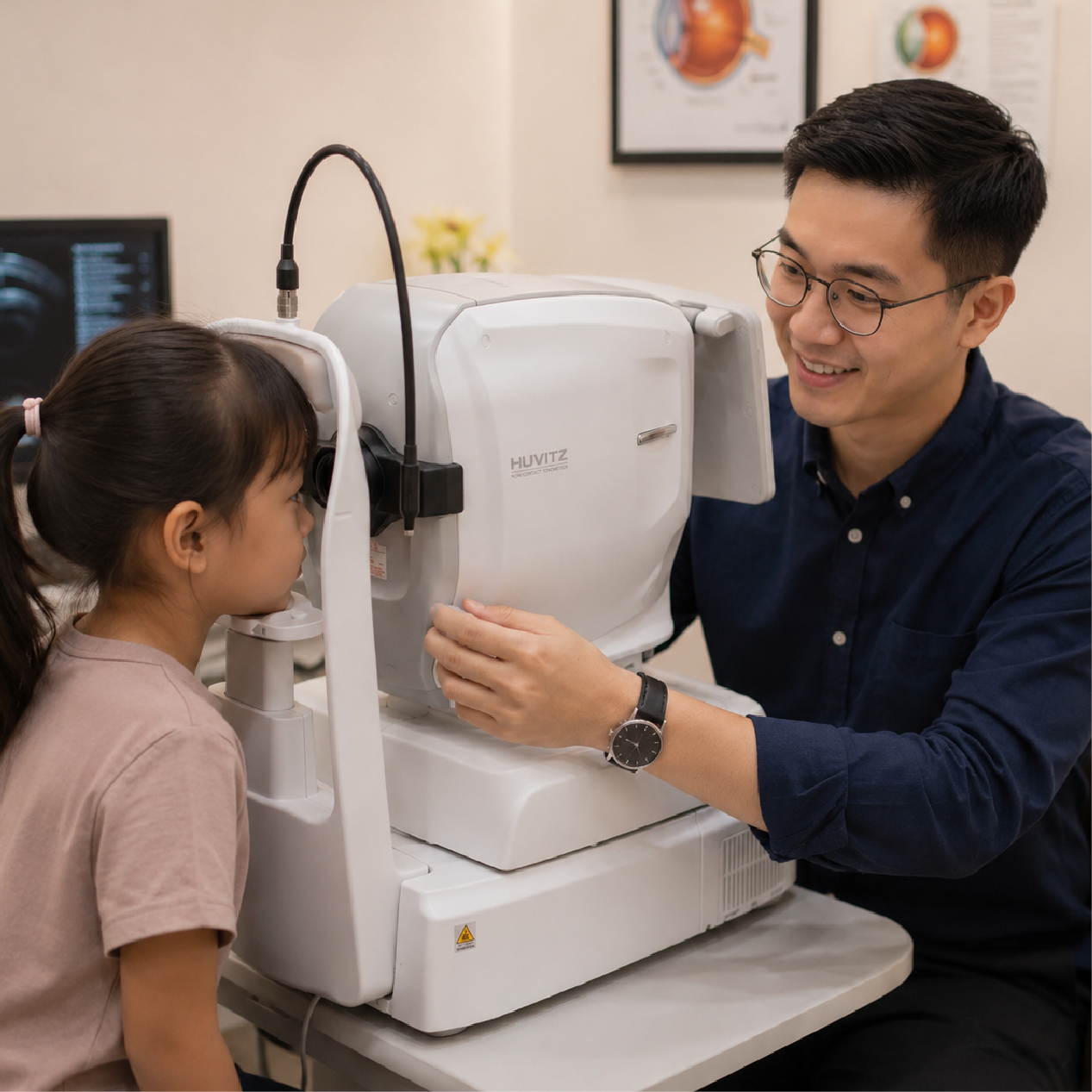
Fundus (Retinal) Imaging

Fundus (Retinal) Imaging

A photographic and digital capture of the back of the eye (the fundus), including the retina, optic disc, macula, and retinal blood vessels. This non-invasive test is essential for documenting, screening, and monitoring various eye and systemic diseases.
Visual Acuity

Visual Acuity

Stereopsis Test

Stereopsis Test

Color Vision Test

Color Vision Test

Refraction

Refraction

Dry Eye Assessment

Dry Eye Assessment

External Ocular Muscle Assessment

External Ocular Muscle Assessment

Anterior Eye Assessment

Anterior Eye Assessment

Intraocular Pressure Measurement

Intraocular Pressure Measurement

Fundus Assessment

Fundus Assessment

Corneal Keratometry

Corneal Keratometry

Cycloplegic Refraction

Cycloplegic Refraction

Axial Length Measurement

Axial Length Measurement

Fundus (Retinal) Imaging
Fundus (Retinal) Imaging

Get Started on Better Vision Today

Regular eye examinations are more than just vision checks, they are vital for detecting early signs of eye conditions and protecting your child’s long-term eye health. Give your little one the care they deserve, book their appointment today and experience the difference!

Module 17- Left Image

Lorem ipsum dolor sit amet, consectetuer adipiscing elit, sed diam nonummy nibh euismod tincidunt ut laoreet dolore magna aliquam erat volutpat. Ut wisi enim ad minim veniam, quis nostrud exerci tation ullamcorper suscipit lobortis nisl ut aliquip ex ea commodo consequat. Duis autem vel eum iriure dolor in hendrerit in vulputate velit esse molestie consequat, vel illum dolore eu feugiat nulla facilisis at vero eros et accumsan et iusto odio dignissim qui blandit praesent luptatum zzril delenit augue duis dolore te feugait.Lorem ipsum dolor sit amet, cons ectetuer

Looking for eyewear advice or have eye health concerns?
We’re happy to asssist with professional support and product recommendations.