


Good vision is more than clarity in each eye, it’s about how your eyes work together. Binocular vision evaluation is a set of tests that check how well both eyes work together. It goes beyond just measuring refractive error (short-sightedness, long-sightedness, astigmatism) and looks at how the eyes coordinate, focus, and maintain single vision. Early detection ensures better comfort, performance, and long-term visual health.
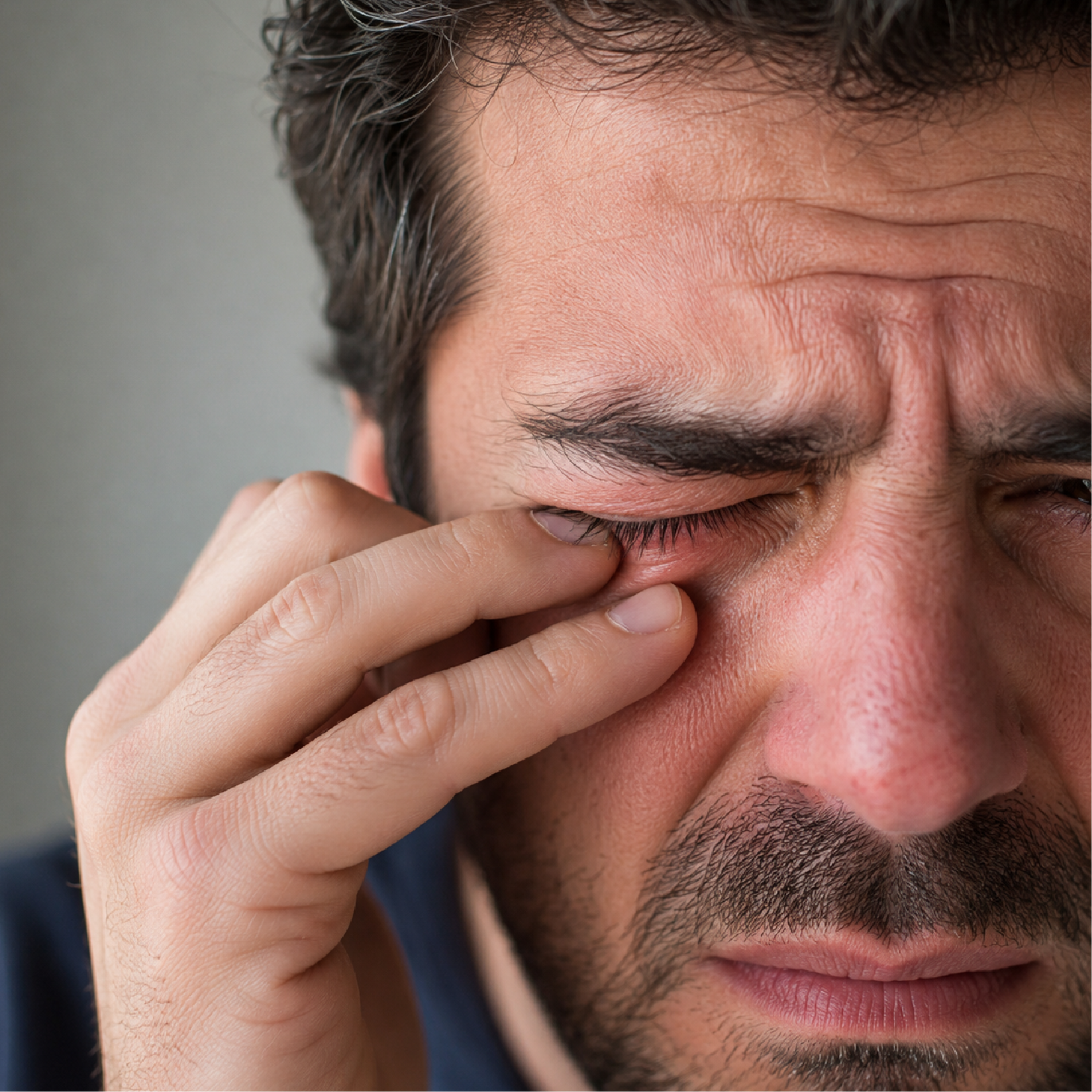
Binocular vision problems can cause symptoms such as frequent headaches, eye strain, blurred or double vision, and difficulty reading or concentrating. Some people may notice words moving on the page, struggle with depth perception, or feel dizzy and motion-sensitive. These signs are often mistaken for tiredness but may indicate an underlying vision issue that needs assessment.
Untreated binocular vision problems can pose serious risks, especially if not addressed during the golden period of treatment in childhood. Early intervention is crucial because children’s visual systems are still developing, making them more responsive to therapies that improve eye coordination and depth perception. If left untreated, these issues may lead to persistent reading difficulties, poor concentration, and reduced academic performance.
In adulthood, untreated binocular vision problems can cause chronic eye strain, headaches, and difficulties with tasks that rely on precise visual coordination, such as driving or sports. Missing the optimal treatment window can result in more complex, long-term challenges that are harder to correct later in life.
Helps train the brain to use both eyes together instead of ignoring input from one eye. This can improve binocular vision, depth perception, and eye coordination.
Strengthens the eye coordination needed to move the eyes inward and outward. These exercises can help reduce eye strain, headaches, and double vision during near and distance tasks.
Trains the eyes to shift focus more efficiently between near and far distances. This can improve focusing flexibility and reduce strain during reading, studying, and screen use.
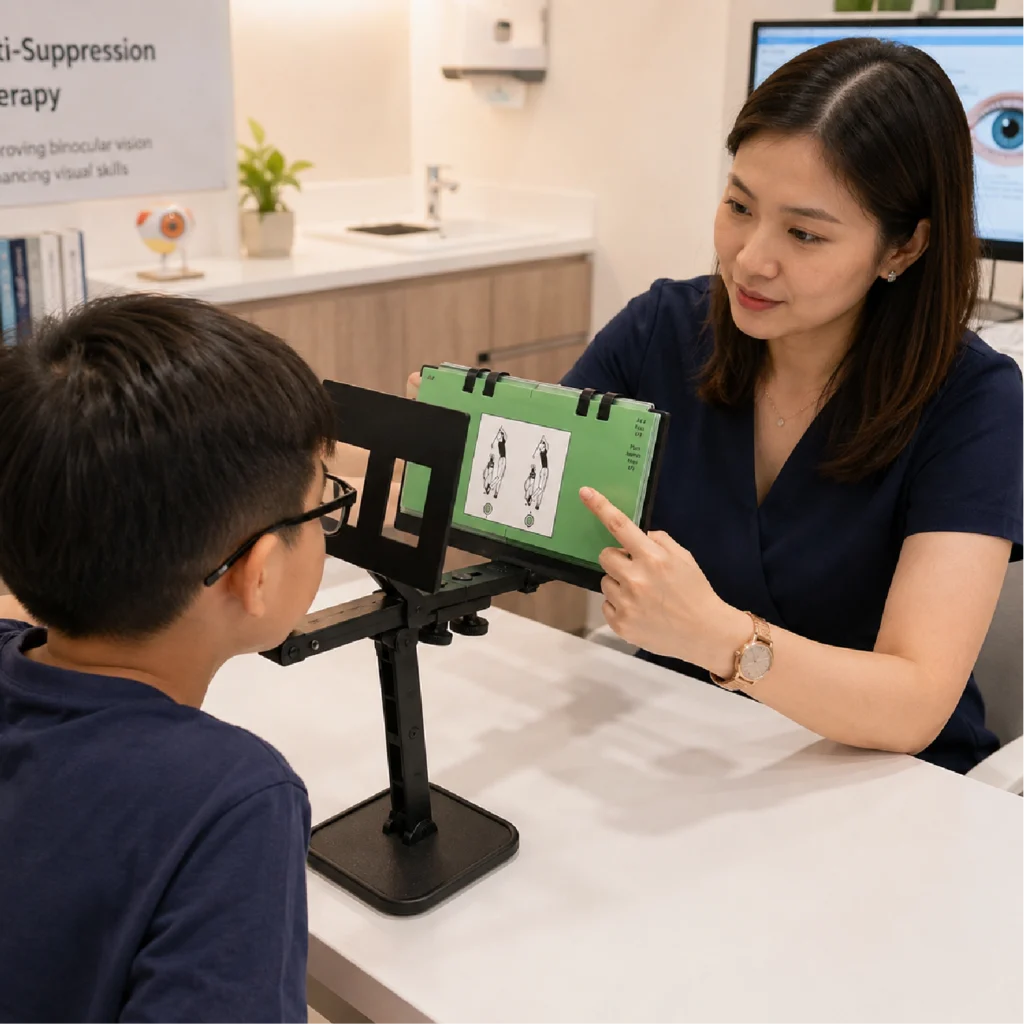
This therapy is designed for patients whose brain tends to “switch off” or ignore the input from one eye, a condition called suppression. Suppression can interfere with depth perception and cause eye strain. Anti-suppression activities train the brain to use both eyes together, restoring binocular vision and improving eye coordination.
These exercises strengthen the eye muscles responsible for moving the eyes inward (convergence) and outward (divergence). Good control of these movements is crucial for tasks like reading, using digital devices, and focusing at different distances. By practicing targeted exercises, patients can reduce double vision, eye fatigue, and headaches, while improving their overall visual comfort.
Flipper exercises use alternating lenses of different powers to train the focusing system of the eyes. This helps improve the eyes’ ability to quickly shift focus between near and far objects—an essential skill for activities like reading, studying, and using digital devices. Regular practice strengthens the focusing muscles, reduces eye strain, and enhances visual flexibility.
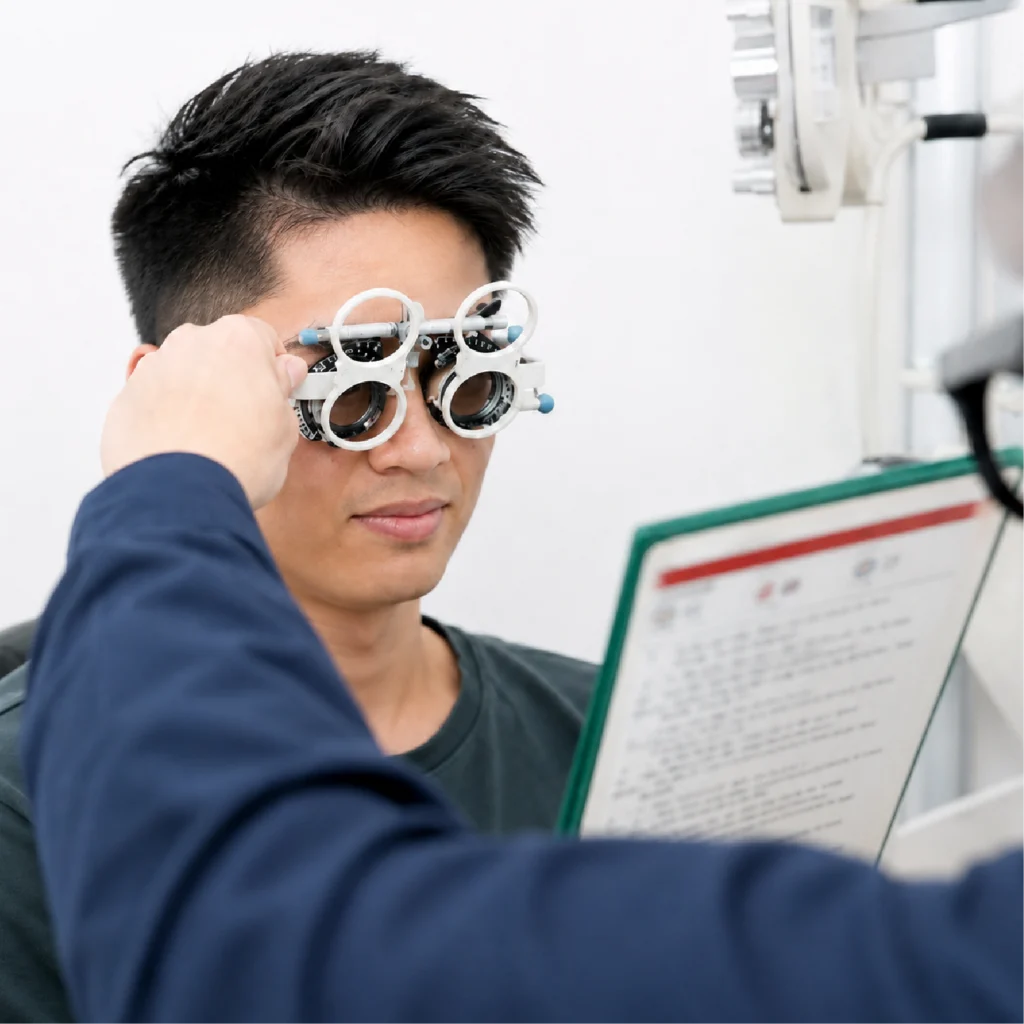
Binocular Vision Evaluation includes a series of essential eye tests designed to thoroughly evaluate your vision, assess overall eye health, and ensure accurate, personalised care tailored to your individual visual needs.
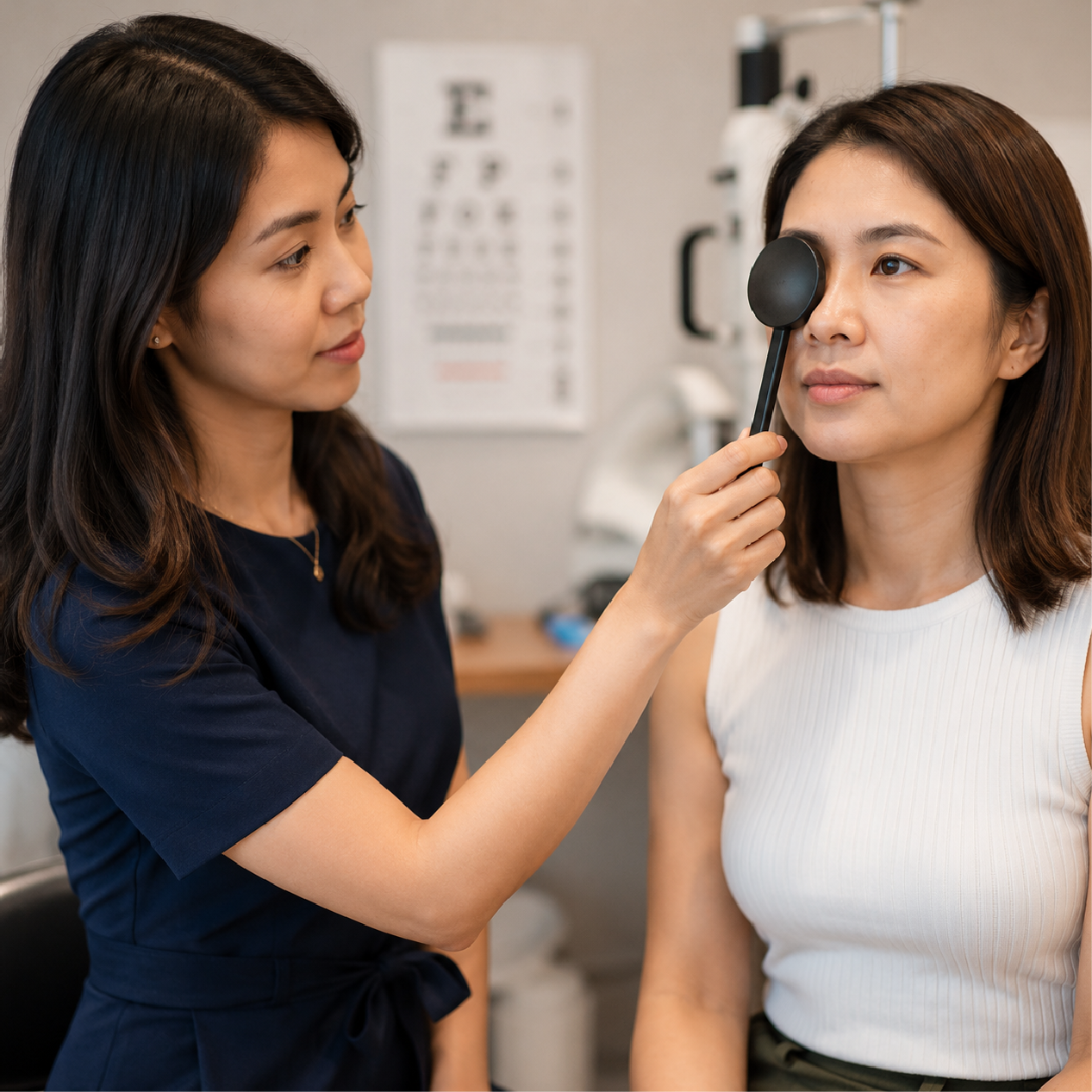

Detects eye misalignment such as strabismus (constant eye turn) or phoria (latent eye deviation) by observing how the eyes move when one is covered and uncovered.

Uses the reflection of light on the cornea to identify gross eye alignment issues, often helpful for younger children.

Assesses hidden eye deviations (phorias) by breaking light into lines, helping measure the direction and amount of misalignment.

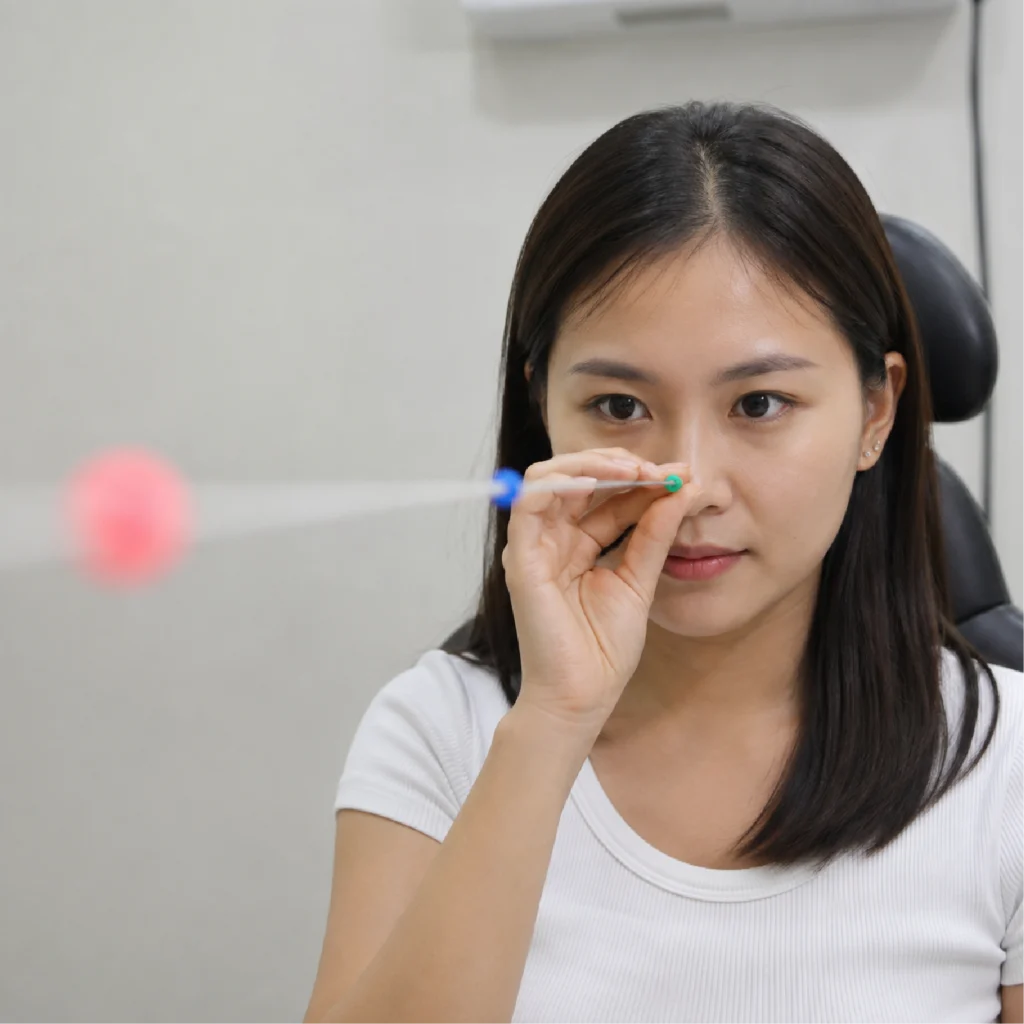
Evaluates how close your eyes can turn inward together before experiencing double vision, an important measure for reading comfort.

Tests how well your eyes can maintain alignment when challenged to converge (turn inward) or diverge (turn outward).

Measures how quickly your eyes can switch between convergence and divergence, important for tasks like copying from a board or shifting gaze between near and far.

Determines how much focusing power the eyes still have, especially useful for younger patients or those with near-vision strain.
Assesses how quickly your eyes can shift focus between near and far distances, simulating real-life activities like switching between a screen and notes.

Evaluates how accurately the eyes maintain focus, both individually and together, to detect over- or under-focusing.

Identifies suppression, where one eye’s input is ignored by the brain, often linked to lazy eye or strabismus.

Evaluates the integrity of binocular vision and determines whether a patient can perceive fine levels of depth (fine stereopsis), which is crucial for tasks requiring spatial judgment, such as driving, sports, and certain occupations.

Detects subtle suppression or fusion problems by having the patient view light through striated lenses.

Checks the smoothness and range of eye movements in different directions, important for overall eye coordination.

Evaluates tracking ability by testing how well the eyes can smoothly follow moving targets (pursuits) or quickly jump between objects (saccades).
Cover Test (cover-uncover/alternate)
Hirschberg Test
Maddox Rod Test
Near Point of Convergence (NPC)
Fusional Vergence Ranges (BO/BI prism ranges)
Vergence Facility
Amplitude of Accommodation
Accommodative Facility (flipper test)
Monocular & Binocular Accommodative Response (MEM, NRA/PRA)
Worth 4 Dot Test
Stereopsis Test
Bagolini Striated Lenses
Versions & Ductions
Saccades & Pursuits

Don’t let hidden vision problems hold you back. A binocular vision evaluation can uncover issues affecting focus, coordination, and learning before they become bigger challenges. Book your assessment today and give your eyes the teamwork they deserve for clearer, more comfortable vision.