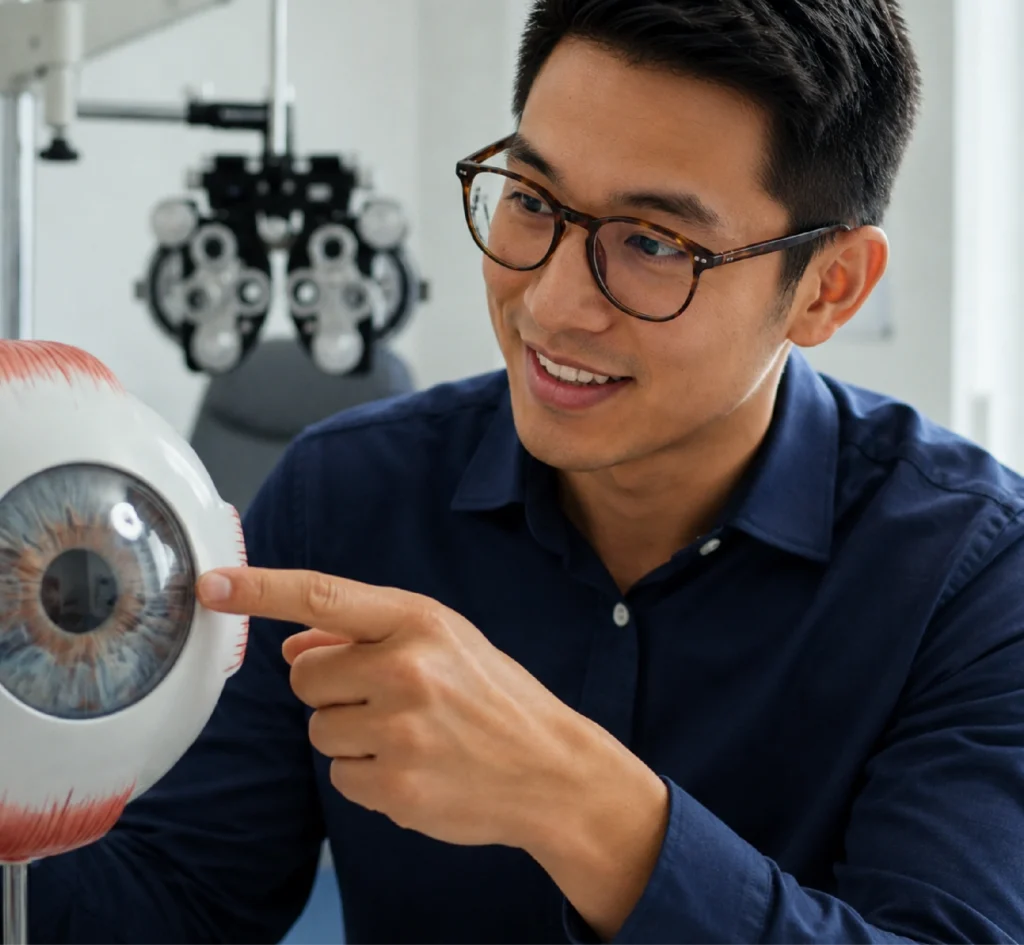

Comprehensive Eye Examination

An Eye-Changing Breakthrough

Did you know that 80% of blindness can be prevented through regular eye examination? Our Comprehensive Eye Examination goes beyond just checking your vision — it’s a complete evaluation of your overall eye health and visual performance. 

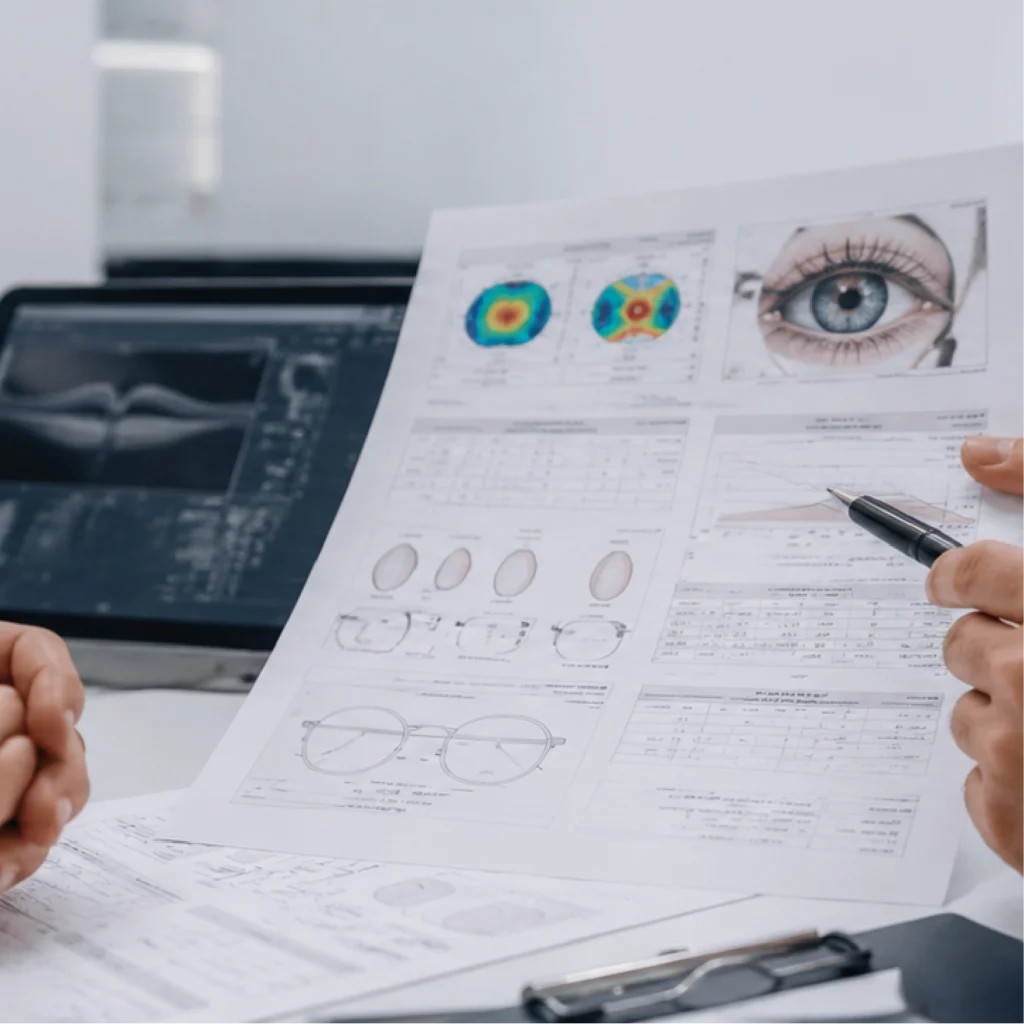
We use state-of-the-art diagnostic equipment to provide a comprehensive understanding of your eye condition, covering everything from basic assessments to detailed microscopic imaging. These insights not only help in screening and detecting eye diseases but also allow us to identify potential issues at an early stage.

When it comes to your vision, we truly believe that “prevention is better than cure.” Act now and schedule an appointment, as early detection can help prevent lasting damage to your eyesight.

0

MINUTES

Lorem ipsum dolor sit amet,consectetuer adipiscing elit, sed aliquam erat

0

PATIENT CHECKED

Lorem ipsum dolor sit amet,consectetuer adipiscing elit, sed aliquam erat

0

POINT TEST

Lorem ipsum dolor sit amet,consectetuer adipiscing elit, sed aliquam erat

How often should I go for an eye exam?

The American Optometric Association (AOA) recommends that adults aged 17 to 39 have their eyes checked at least once every two years. For individuals aged 40 and above, an annual eye exam is advised to monitor age-related changes and early signs of eye conditions.

Besides, certain individuals may require more frequent eye exams due to specific risk factors.

These include:

  • Personal or family history of eye diseases
  • Medical conditions such as diabetes or hypertension
  • Occupations with high visual demands (e.g., police, military)
  • Contact lens wearers
  • Severe short-sightedness, long-sightedness, or astigmatism
  • History of eye surgery (e.g., LASIK, cataract removal)
  • Long-term use of medication that may affect vision

Here’s What We’ll Check

Comprehensive Eye Examination includes a series of essential eye tests designed to thoroughly evaluate your vision, assess overall eye health, and ensure accurate, personalised care tailored to your individual visual needs.
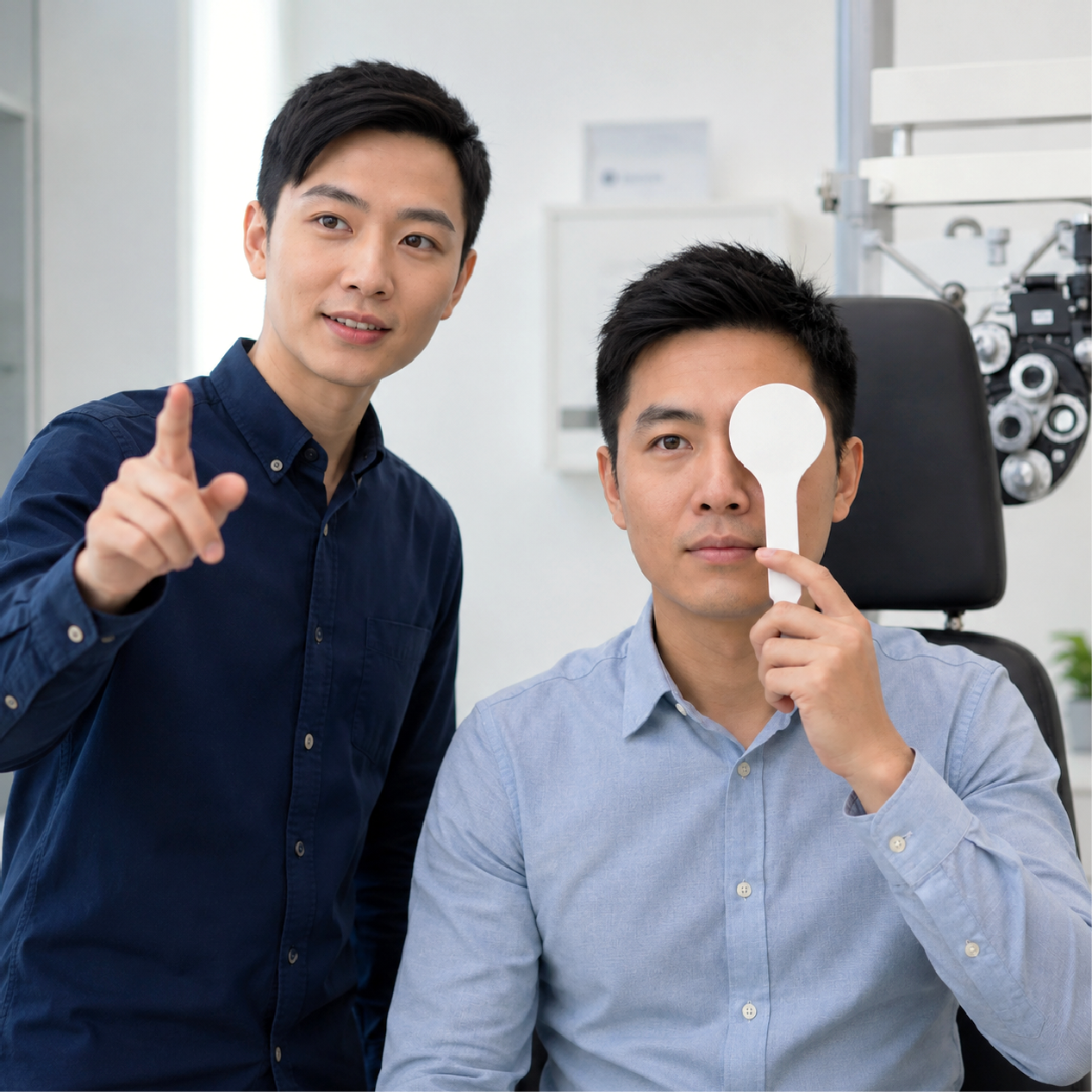
Visual Acuity

Visual Acuity

Clinical measure of the eye's ability to resolve fine detail at a standardized distance. It quantifies the clarity or sharpness of central vision, which is essential for tasks such as reading, driving, and facial recognition.
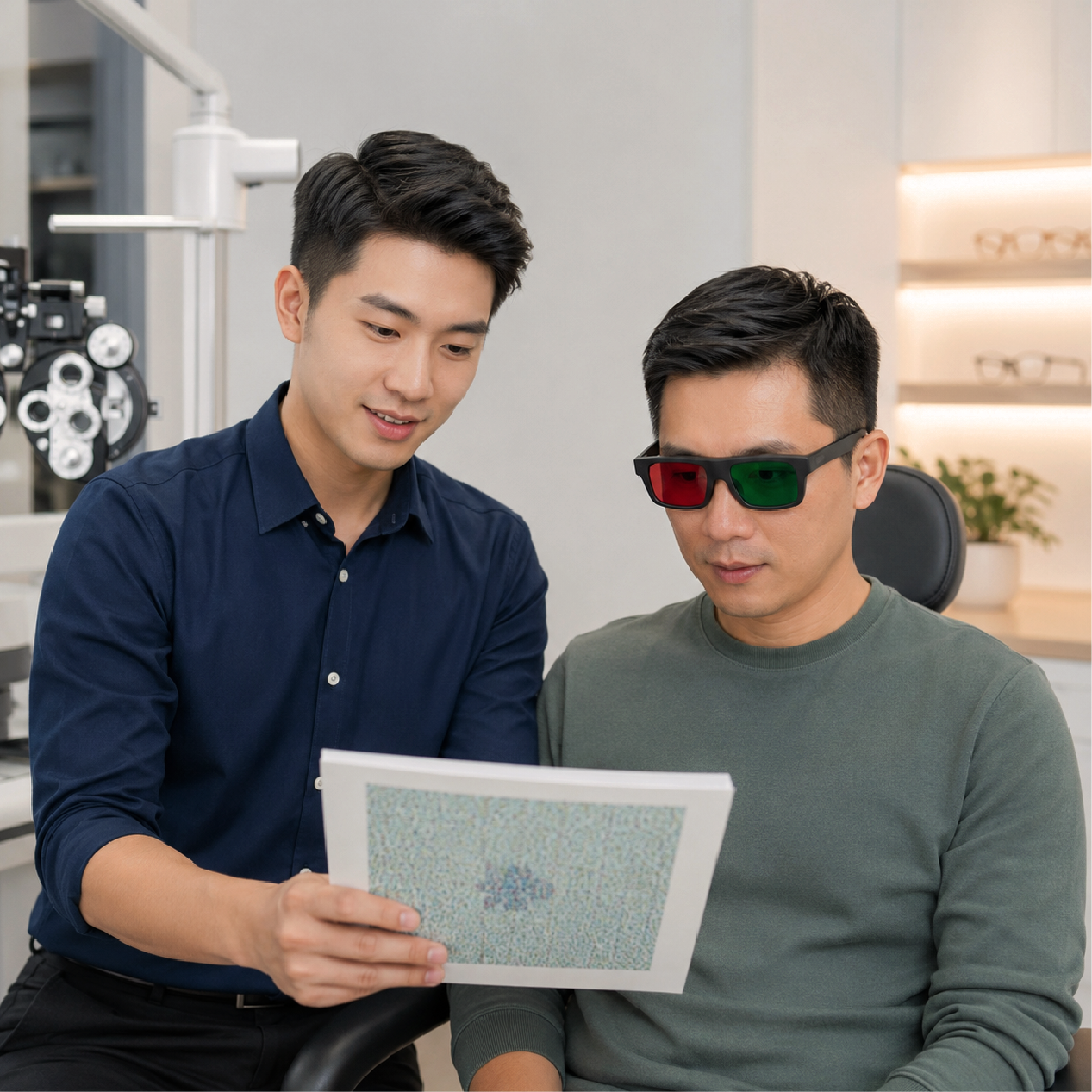
Stereopsis Test

Stereopsis Test

Evaluates the integrity of binocular vision and determines whether a patient can perceive fine levels of depth (fine stereopsis), which is crucial for tasks requiring spatial judgment, such as driving, sports, and certain occupations.

Color Vision Test

Color Vision Test

Use pseudo isochromatic colour plates to diagnose a person's ability to perceive and distinguish different colours. It is primarily used to detect color vision deficiencies (CVD), commonly known as color blindness.
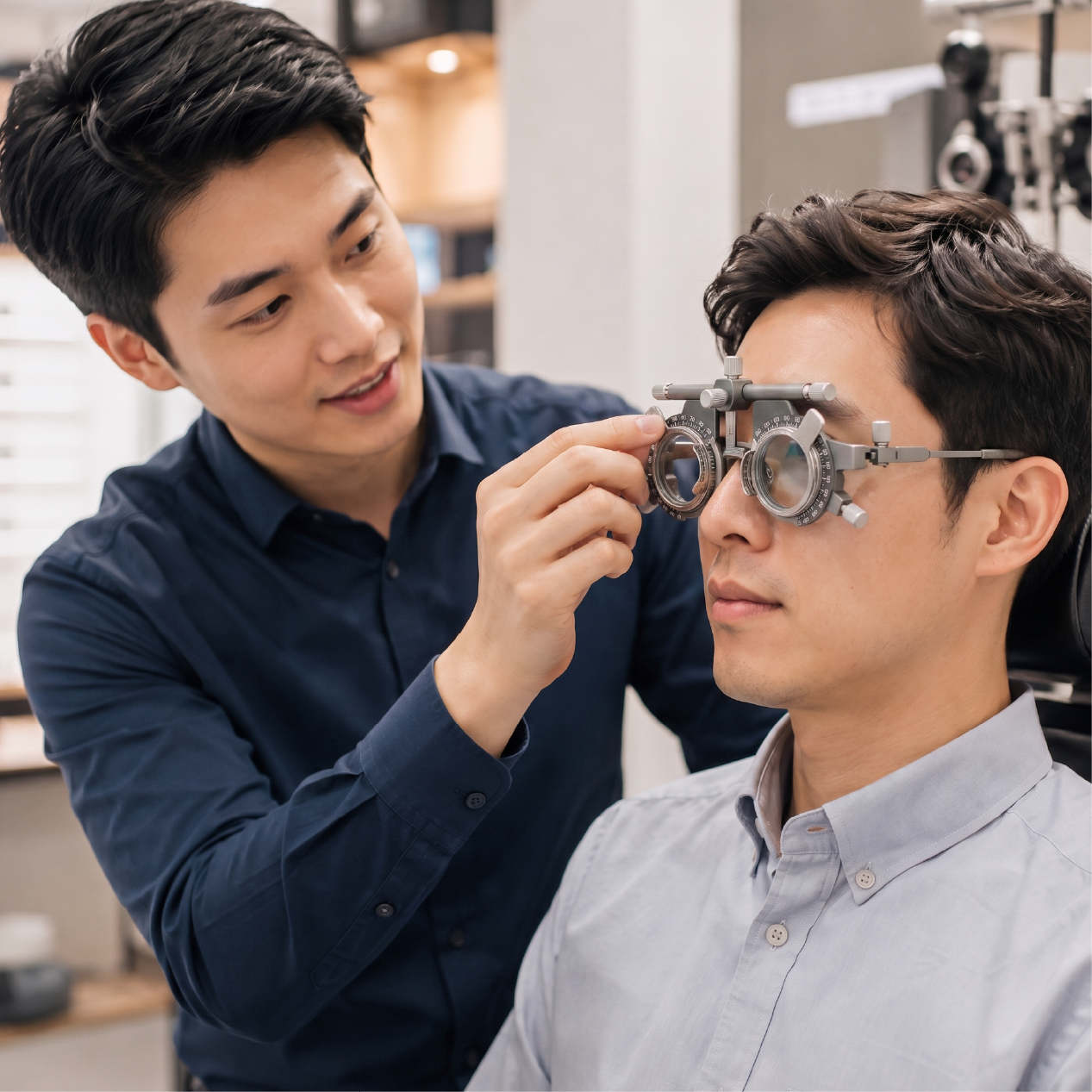
Refraction

Refraction

This is a standard eye examination used to determine your refractive error and provide the correct prescription before issuing new glasses.
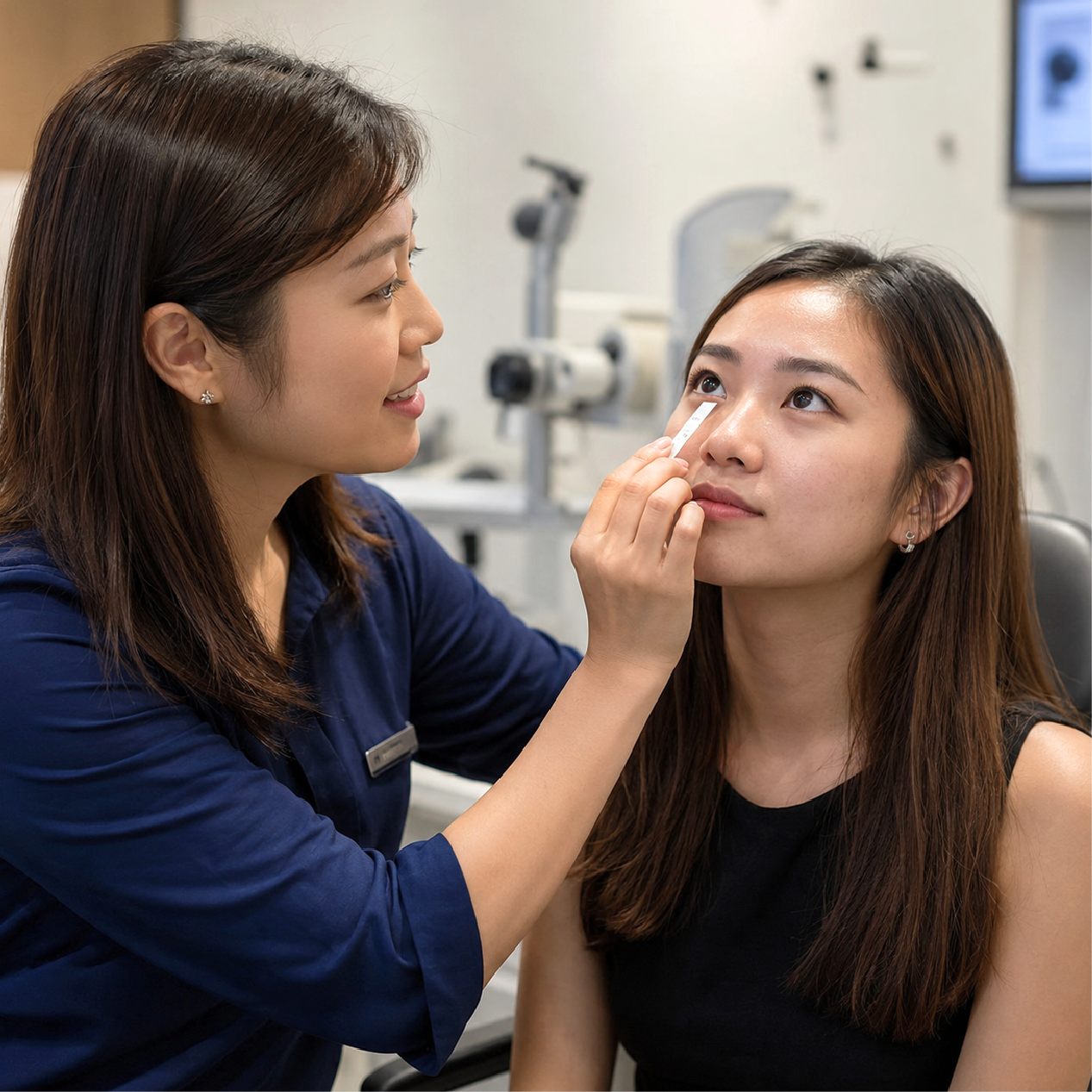
Dry Eye Assessment

Dry Eye Assessment

Diagnostic evaluation to determine the presence, type, and severity of Dry Eye Disease (DED). Dry eye occurs when the eyes do not produce enough tears or when the tear film is unstable, leading to discomfort, visual disturbances, and potential ocular surface damage.
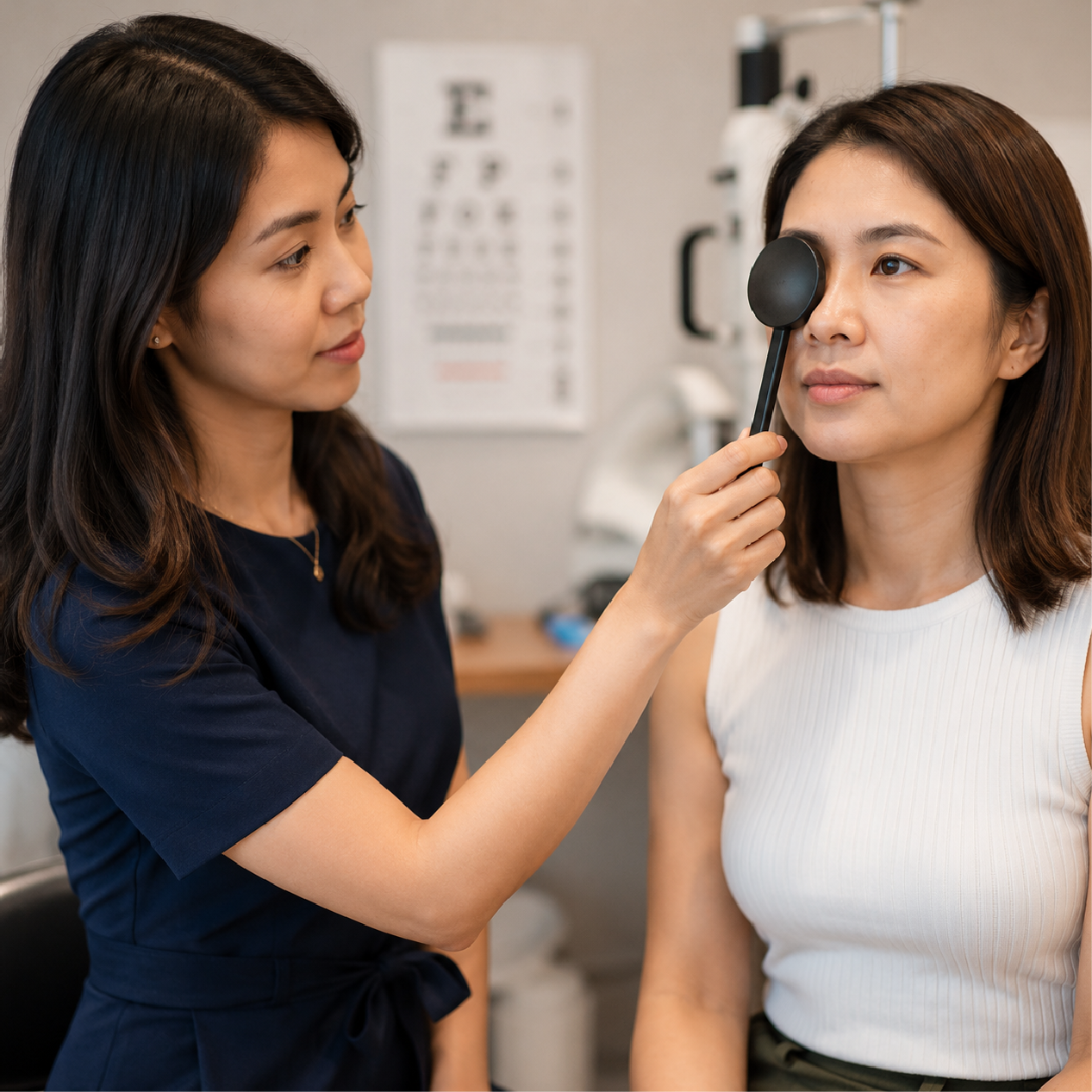
External Ocular Muscle Assessment

External Ocular Muscle Assessment

Assess ocular motility, detect muscle imbalances, and identify neurological or mechanical restrictions affecting the eyes’ ability to move in a coordinated and full range.
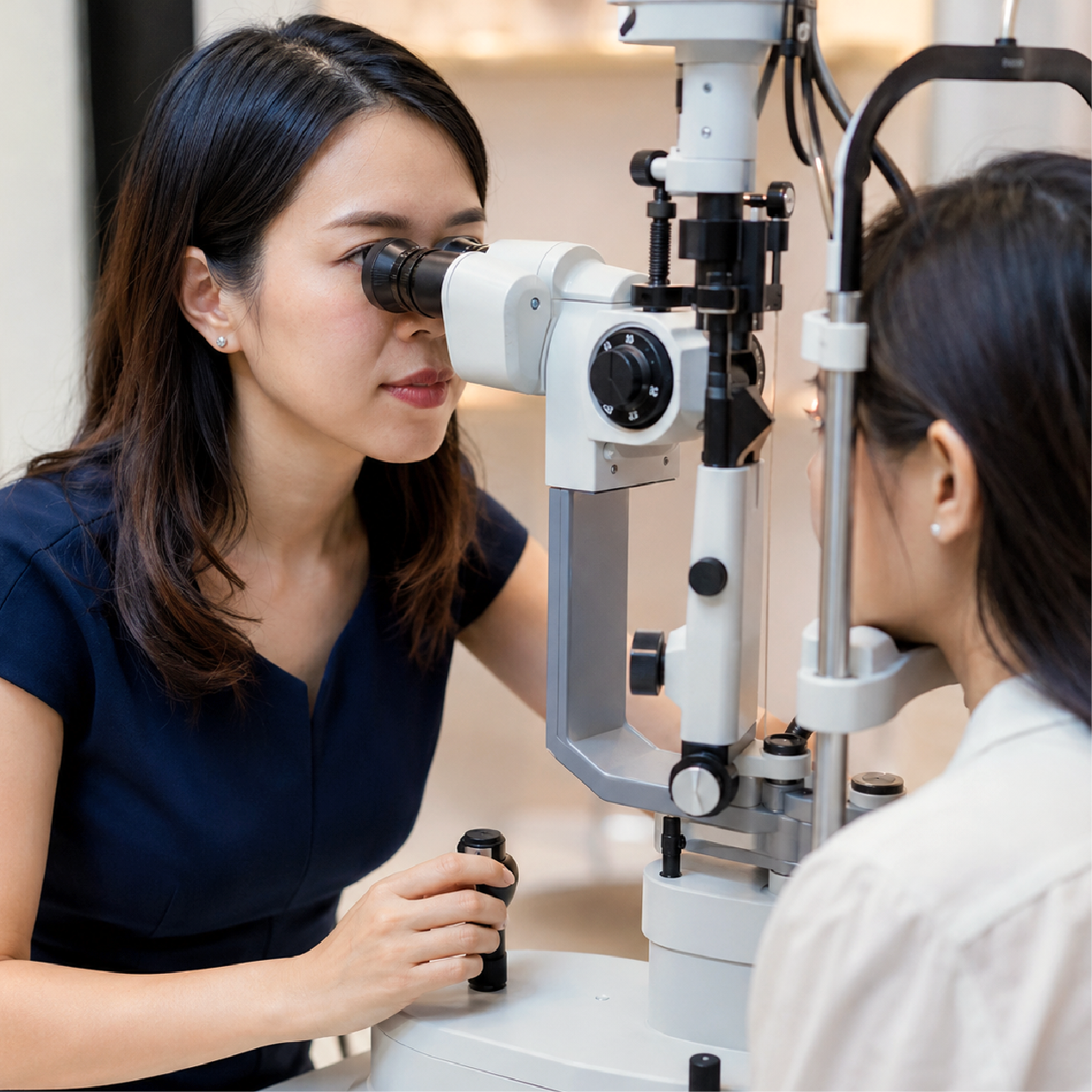
Anterior Eye Assessment

Anterior Eye Assessment

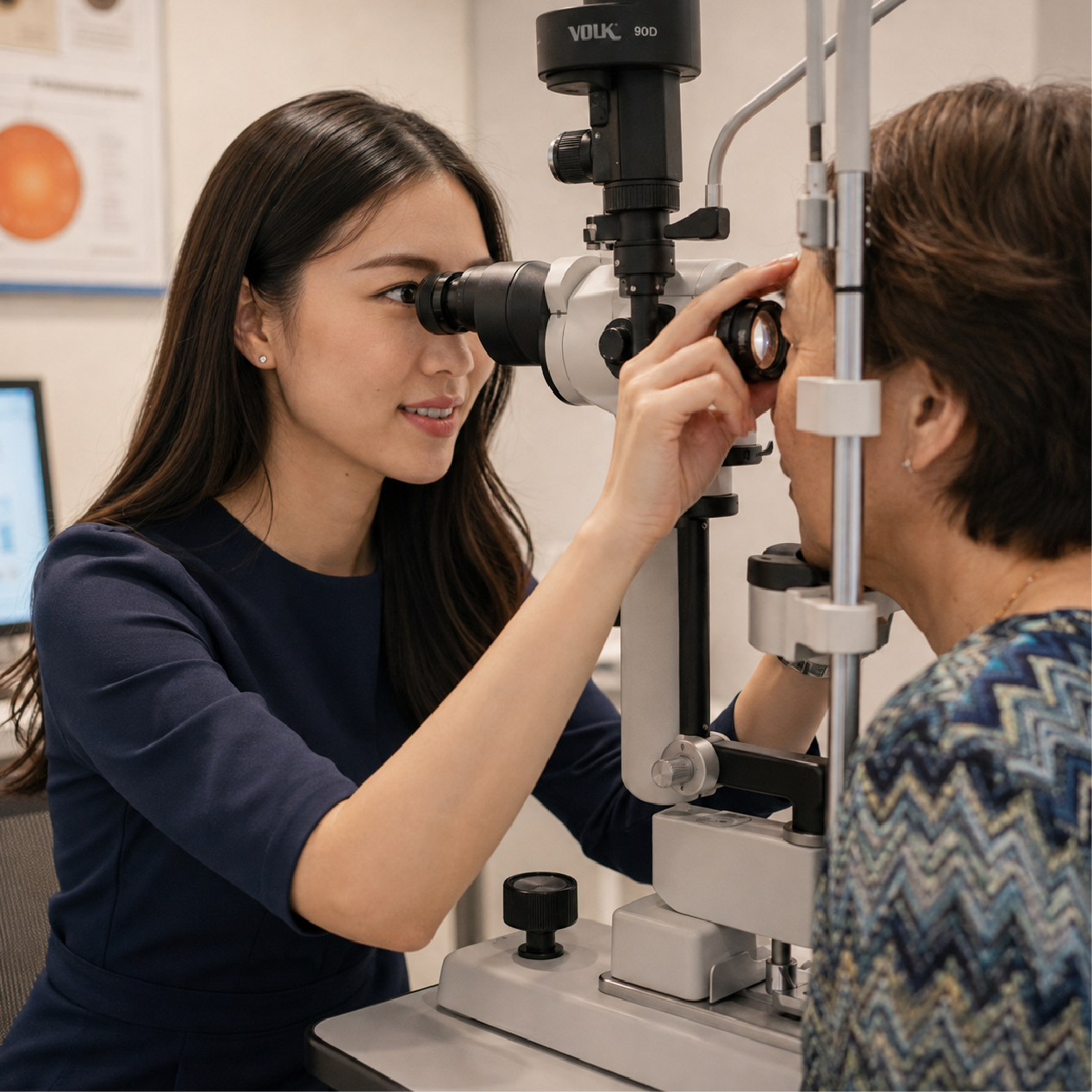
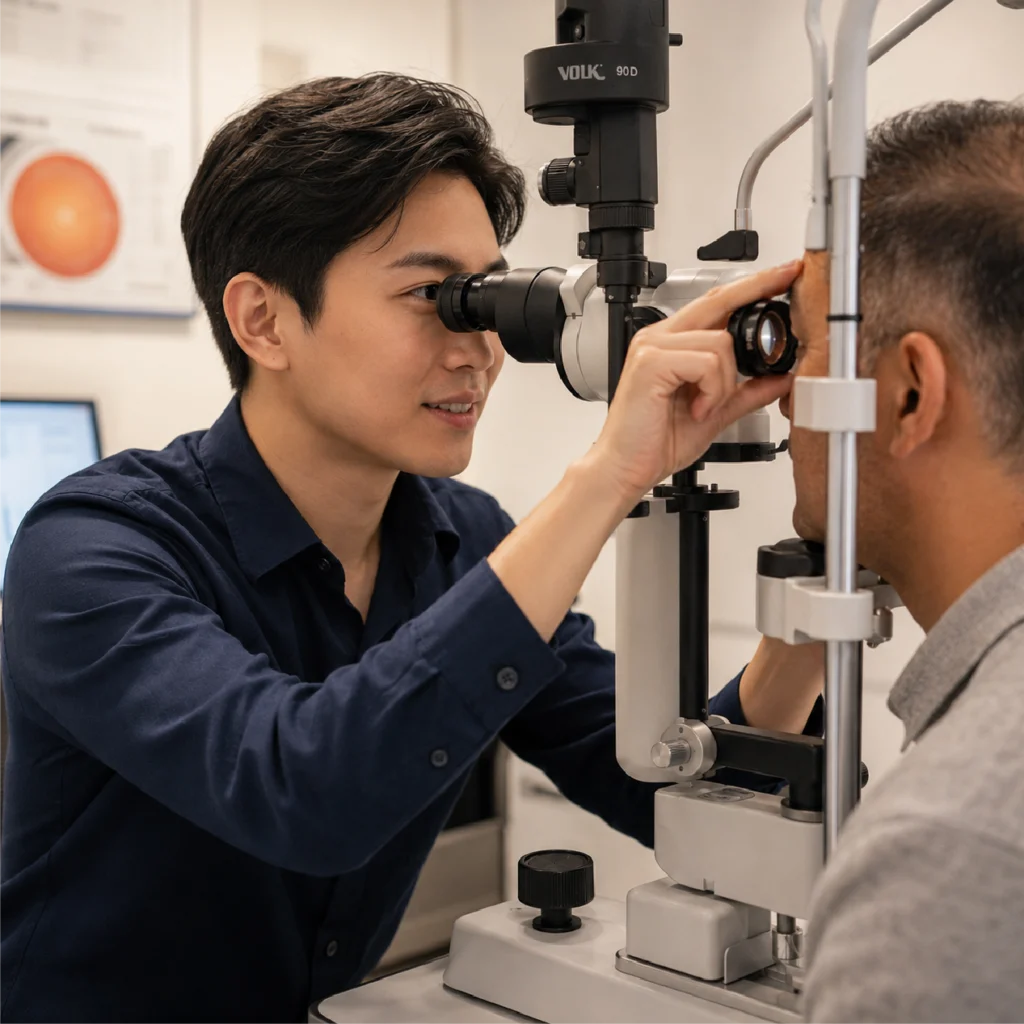
Detailed examination of the front part of the eye, including the cornea, lens, and surrounding structures. Using advanced equipment, this assessment helps detect early signs of eye disease, monitor contact lens safety, and ensure your eyes remain healthy and comfortable.
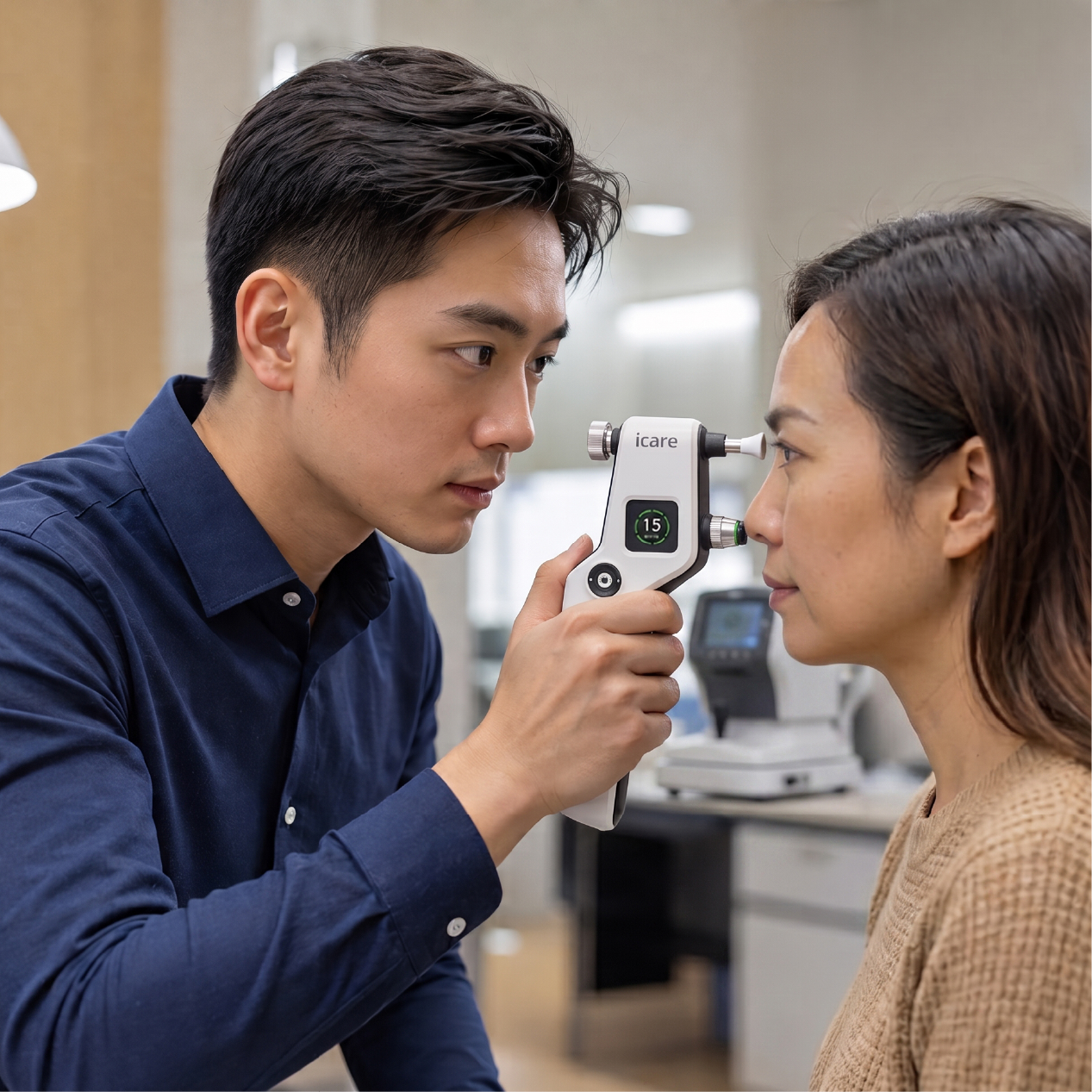
Intraocular Pressure Measurement

Intraocular Pressure Measurement

Key diagnostic test in assessing ocular health, particularly in the detection and management of glaucoma.

Fundus Assessment

Fundus Assessment

Clinical evaluation of the interior surface of the eye, also known as the ocular fundus, which includes the retina, optic disc, macula, fovea, and retinal blood vessels.
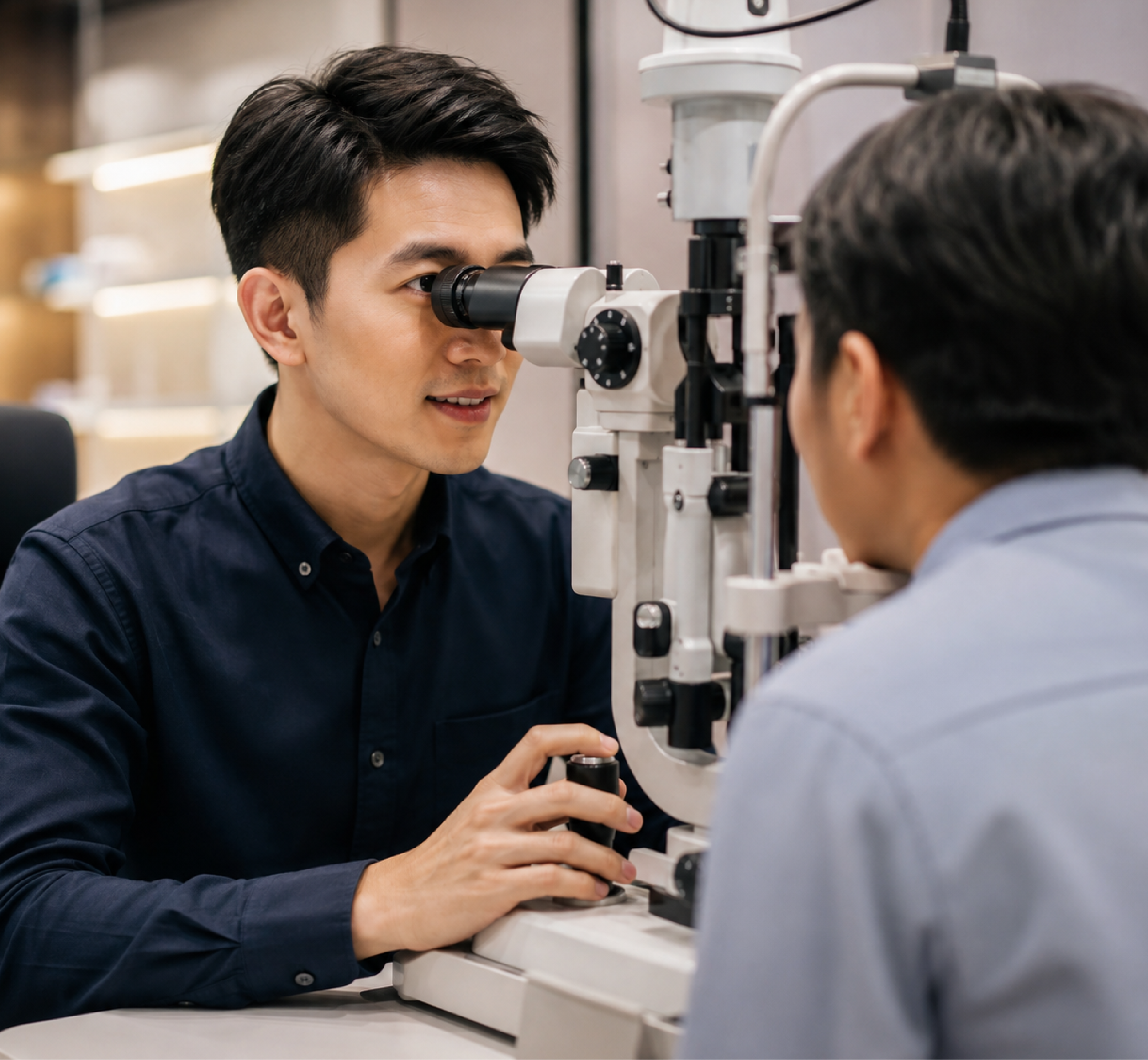
Crystalline Lens Assessment

Crystalline Lens Assessment

An evaluation of the eye’s natural lens, located behind the iris and pupil. This assessment is essential for detecting the lens’s clarity, position, and function, particularly in relation to cataracts and other lenticular abnormalities.
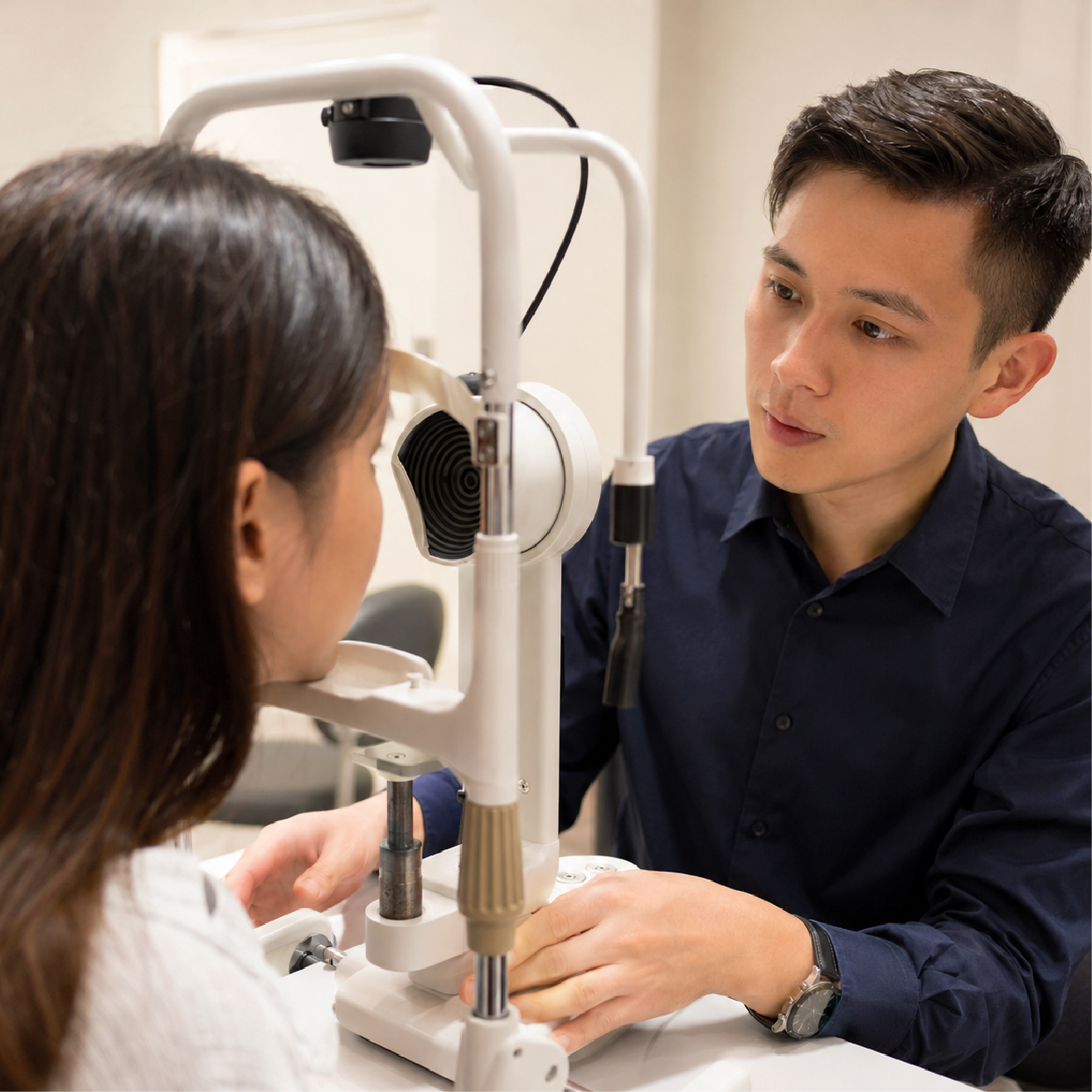
Corneal Keratometry

Corneal Keratometry

Measurement of the anterior curvature of the cornea, particularly the central 3 mm zone, to determine the corneal refractive power and astigmatism.
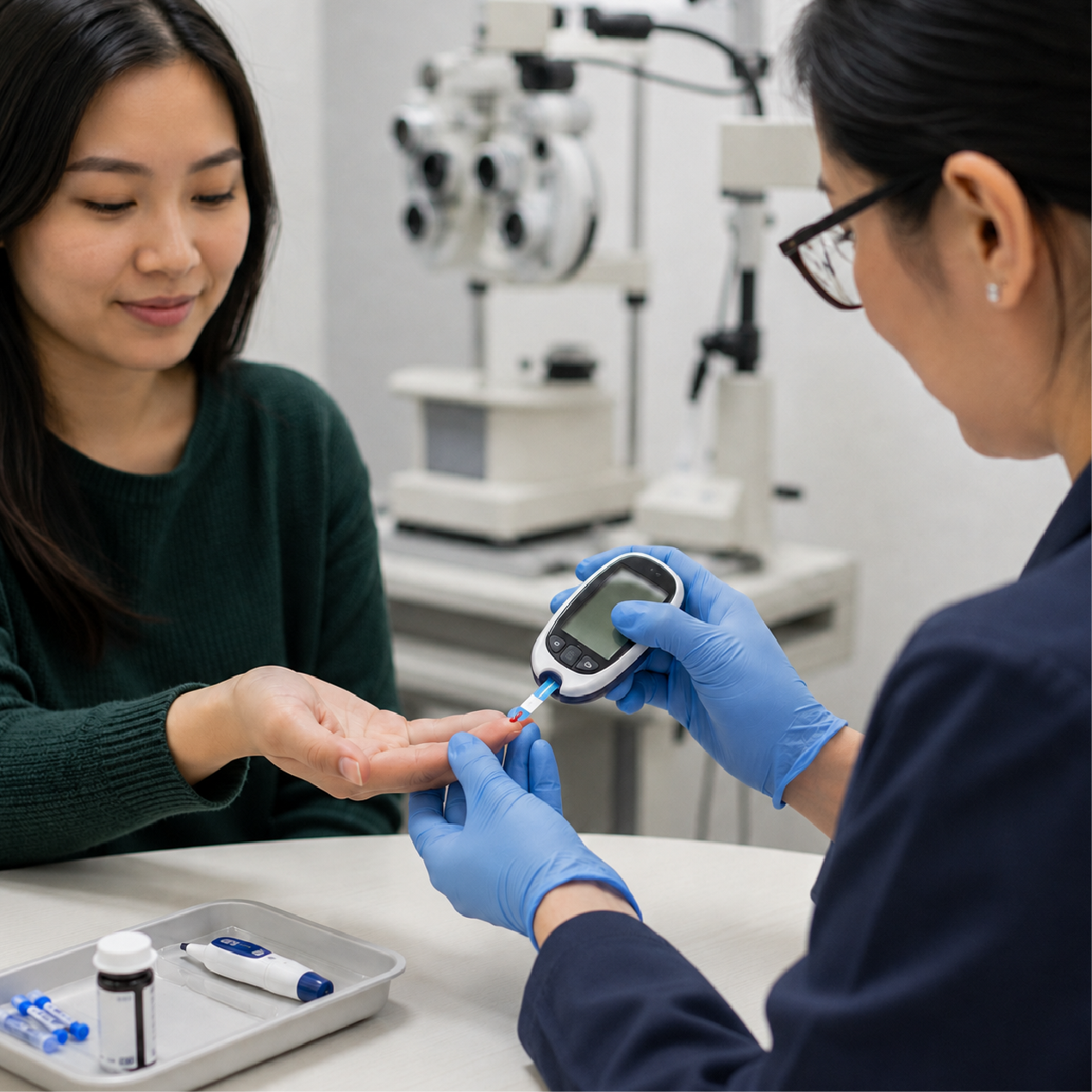
Blood Glucose Test

Blood Glucose Test

Measures blood sugar levels to evaluate vision risk. Uncontrolled blood sugar levels over time can have a significant impact on eye health, potentially leading to vision loss or blindness.
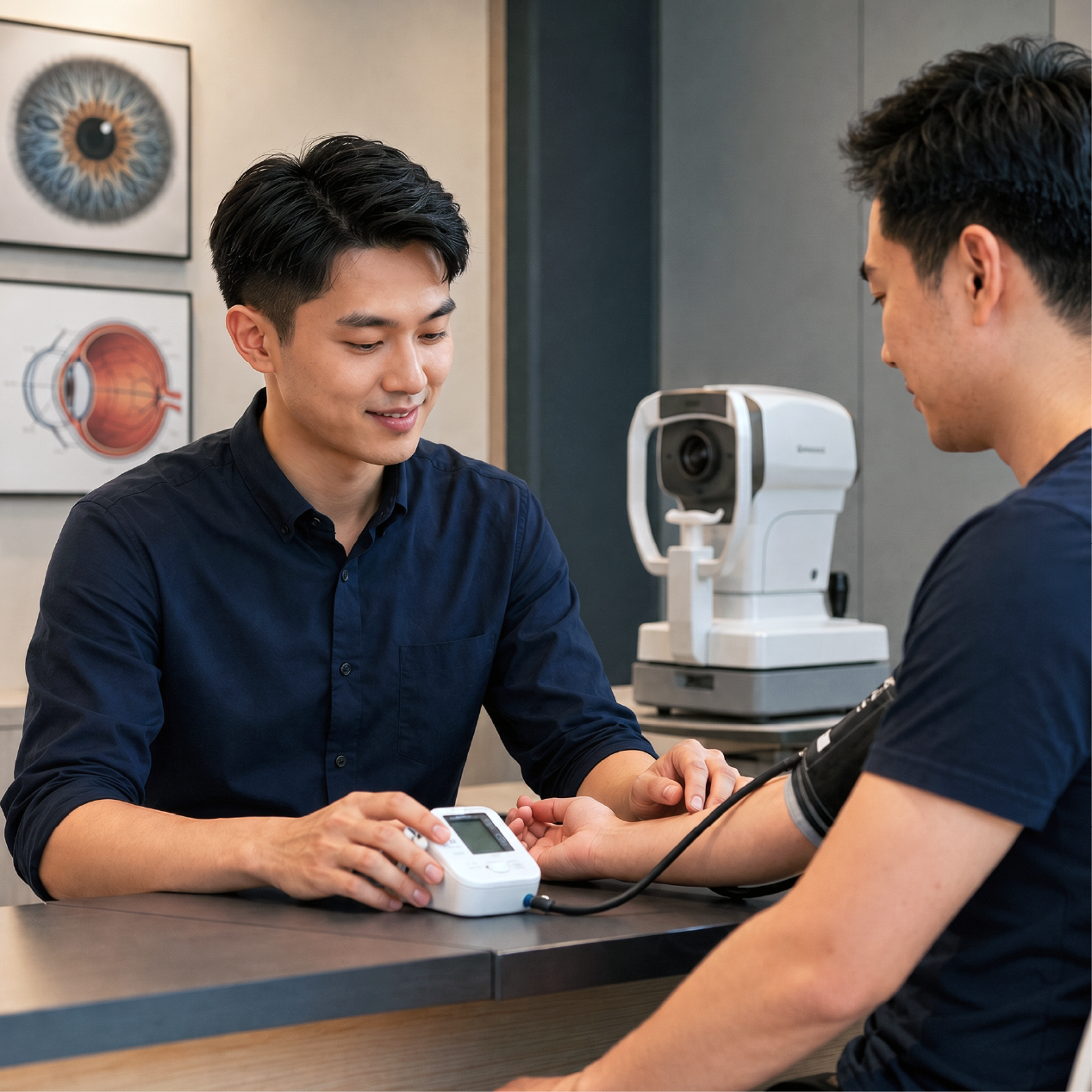
Blood Pressure

Blood Pressure

Monitoring blood pressure is crucial for eye health. Uncontrolled high blood pressure (hypertension) can damage the delicate blood vessels in the eyes and lead to vision problems or even blindness.

Visual Acuity

Visual Acuity

Stereopsis Test

Stereopsis Test

Color Vision Test

Color Vision Test

Refraction

Refraction

Dry Eye Assessment

Dry Eye Assessment

External Ocular Muscle Assessment

External Ocular Muscle Assessment

Anterior Eye Assessment

Anterior Eye Assessment

Intraocular Pressure Measurement

Intraocular Pressure Measurement

Fundus Assessment

Fundus Assessment

Crystalline Lens Assessment

Crystalline Lens Assessment

Corneal Keratometry
Corneal Keratometry

Blood Glucose Test

Blood Glucose Test

Blood Pressure

Blood Pressure

Experience the Difference

Regular eye examinations are more than just a vision check, they are essential for detecting early signs of eye conditions and safeguarding long-term eye health. Give your eyes the care they deserve, book your appointment today and see the difference early detection can make!

Looking for eyewear advice or have eye health concerns?
We’re happy to asssist with professional support and product recommendations.

How often should I go for an eye exam?

The American Optometric Association (AOA) recommends that adults aged 17 to 39 have their eyes checked at least once every two years. For individuals aged 40 and above, an annual eye exam is advised to monitor age-related changes and early signs of eye conditions.


Besides, certain individuals may require more frequent eye exams due to specific risk factors. These include:

  • Personal or family history of eye diseases
  • Medical conditions such as diabetes or hypertension
  • Occupations with high visual demands (e.g., police, military)
  • Contact lens wearers
  • Severe short-sightedness, long-sightedness, or astigmatism
  • History of eye surgery (e.g., LASIK, cataract removal)
  • Long-term use of medication that may affect vision