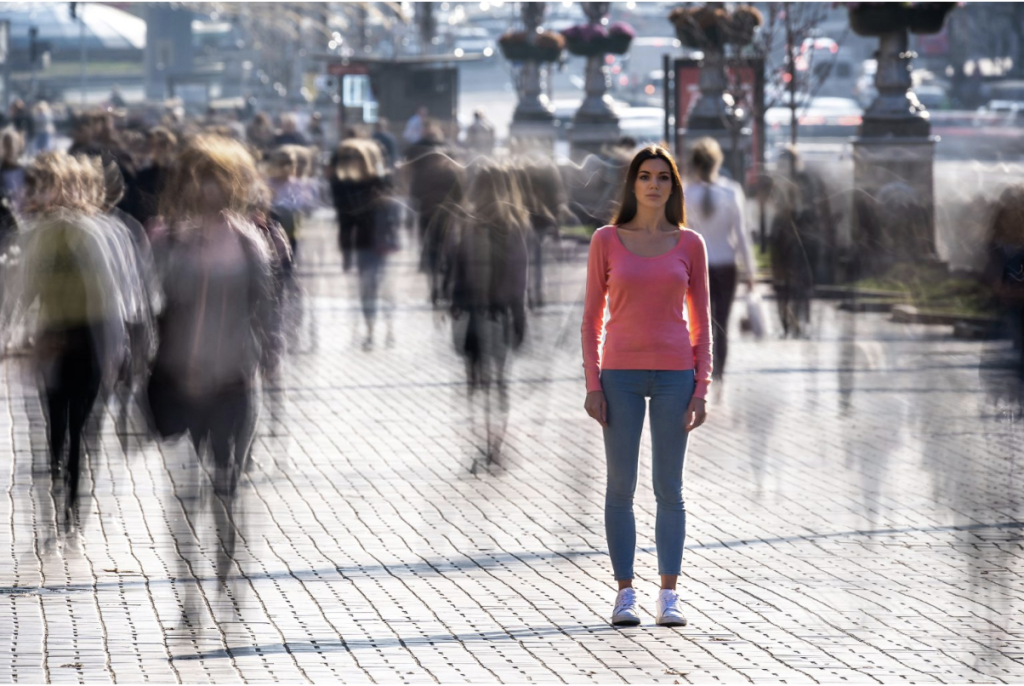
Motion Agnosia usually results from damage to specific areas of the occipital or parietal lobes in the brain. Causes can include:
- Strokes
- Dementia
- Brain tumors
- Anoxia (loss of oxygen to the brain)
- Developmental or other neurological disorders
Interestingly, Motion Agnosia typically affects only one visual pathway. Other cognitive functions, such as thinking, speaking, and interacting, remain intact. Patients often learn to rely on alternative senses, like hearing, to navigate their environment safely.
Visual agnosia comes in many forms beyond Motion Agnosia:
- Dyslexia – difficulty with reading
- Colour agnosia – inability to recognize colors
- Prosopagnosia – difficulty recognizing faces
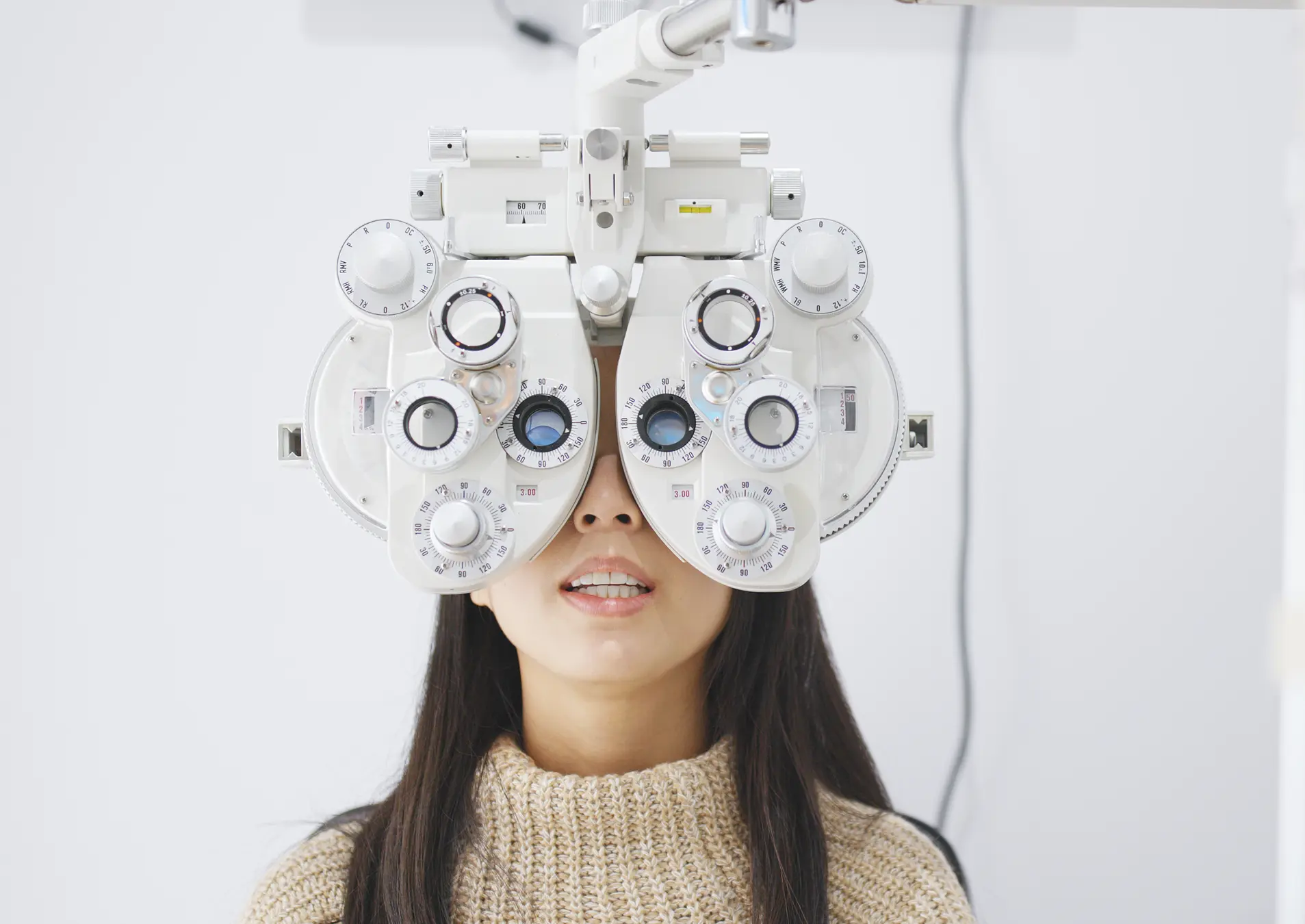
These conditions highlight the complexity of vision and the importance of understanding that clear eyesight is not always enough to fully interpret the world around us.