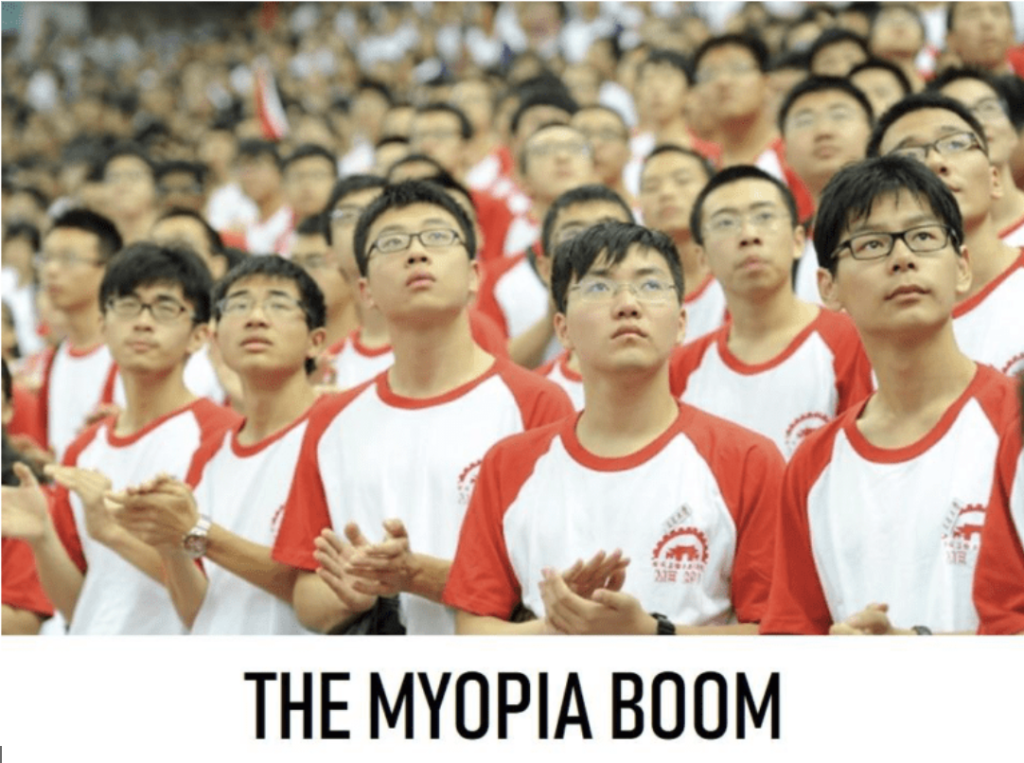
By the year 2050, it is estimated that one in two people worldwide will be short-sighted (myopic), with nearly one billion individuals developing high myopia. This alarming trend has turned myopia into a major global public health issue rather than just a vision inconvenience.
In conjunction with World Myopia Awareness Week, Eye & Glasses Optometrist joins hands with the World Council of Optometry (WCO) to raise awareness about myopia, its long-term risks, and the importance of early prevention and management.
What Is Driving the Rise in Myopia?
Myopia is believed to result from a combination of genetic predisposition and environmental factors. Modern lifestyle changes play a significant role, including:
- Reduced time spent outdoors
- Increased near work such as reading and screen use
- Prolonged use of digital devices
These factors are especially impactful in urban settings and among children.