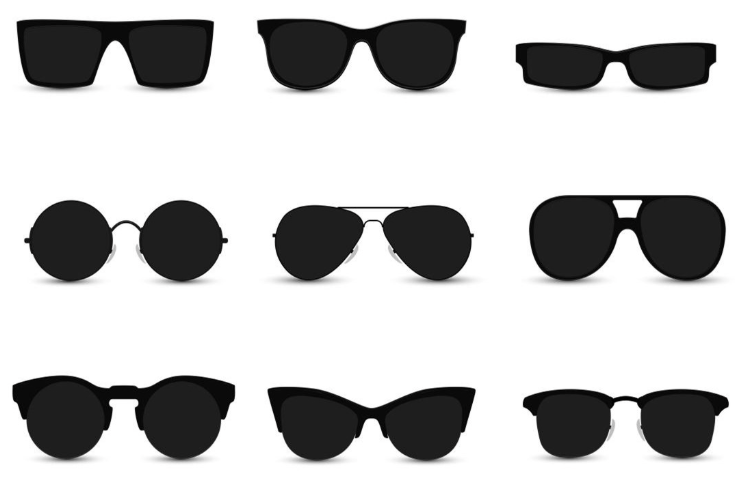
Sunglasses do not serve only optical purposes; they are also being presented as fashionable accessories. Sunglasses nowadays come in various shapes and designs, such as aviator, wayfarer, wraparound, oversize, and cat eyes.
Although the design of sunglasses does not affect the protective properties, people always go for bigger sizes as they cover more. Sunglasses are not solely about the brands or looking cool; they are also more about the materials, features and, most importantly, the fitting.
Fitting is the key factor that contributes to your wearing comfort. Albeit looking fabulous, wearing sunglasses is to protect your eyes against ultraviolet rays from the sun. You would surely want to wear them as long as you are outdoors. Ever experienced a pair that was constantly hitting your cheeks or touching your eyelashes? Well, you might have got the wrong fit. Why so?
There is this misconception that sunglasses are one-size-fits-all. In fact, sunglasses fit certain ethnic groups differently — namely, the facial structure. We all know about the prominent difference between that of Asians and Caucasians, more obviously in terms of the nose bridge and cheekbones. They greatly influence how sunglasses fit on your face.
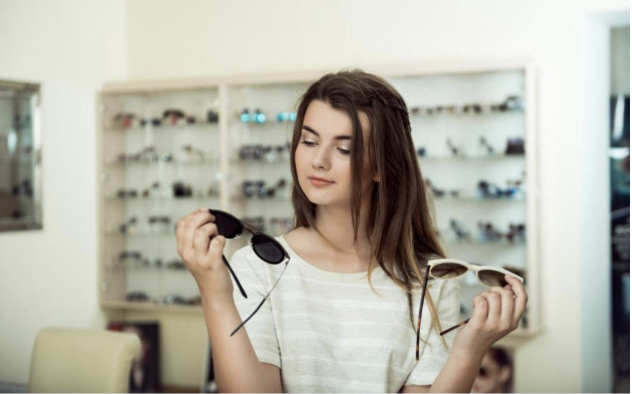

Many Asians have lower nose bridge and high cheekbone
Caucasian features typically include a high nose bridge and low cheekbone, which is the total opposite.
Ever realize there is a series of numbers printed along the inner side of sunglasses temples? They usually consist of three groups of numbers. Sometimes only the first two are printed, for instance, 58-17 148 or simply 58-17.

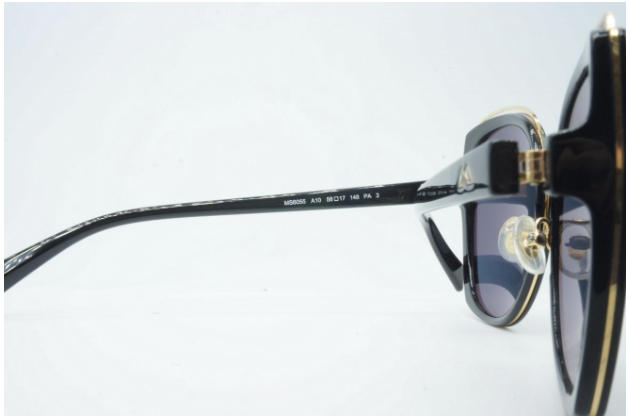
The measurements might not be exact and can vary from model to model. The closer the measurements are to those of your current pair, the more similar the new glasses will look on your face (assuming they are of the same design).
At Eye & Glasses Optometrist, we carry various sunglasses brands, such as 100%, Molsion, Polaroid, etc., that are staying in line with the current trend. Different sunglasses brands come in a variety of materials, colors, craftsmanship, countries of origin, quality, and design. These factors also affect the pricing.
Getting a pair of sunglasses seems to be more complicated than you expected? No worries, our well-trained and experienced optometrists will assist you in choosing sunglasses with the fitting that suits you best. Now, you can look fabulous while wearing them comfortably at the same time!