Due to asymmetrical corneal shape, the resultant aberrations cannot be optimally corrected by glasses or standard contact lenses. To mask the abnormal corneal surface, specialty lenses like semi-scleral contact lenses will help to reduce the aberration and improve the sharpness in vision. While up-to-date in Malaysia, the most common cause of irregular cornea is keratoconus.
orem ipsum dolor sit amet, consectetuer adipiscing elit, sed diam nonummy nibh euismod tincidunt ut laoreet dolore magna aliquam erat volutpat. Ut wisi enim ad minim veniam, quis nostrud exerci tation ullamcorper suscipit lobortis nisl ut aliquip ex ea commodo consequat. Duis autem vel eum iriure dolor in hendrerit in vulputate velit esse molestie consequat, vel illum dolore eu feugiat nulla facilisis at vero eros et accumsan et iusto odio dignissim qui blandit praesent luptatum zzril delenit augue duis dolore te feugait.Lorem ipsum dolor sit amet, cons ectetuer
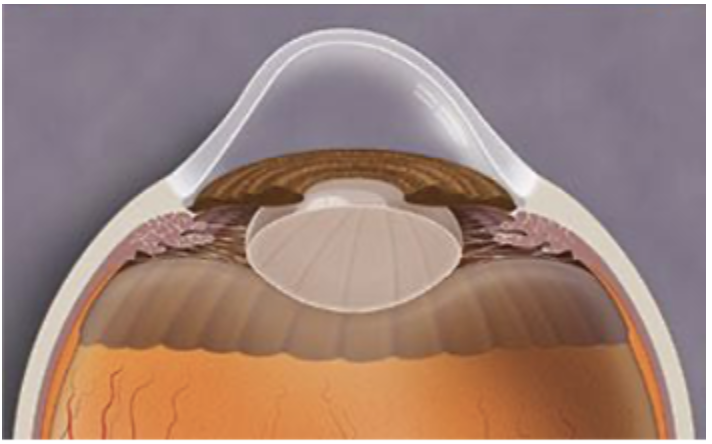
Keratoconus (kerato – cornea, conus – cone) is a degenerative disorder of the eye in which structural changes within the cornea cause thinning. Hence, it transforms into a conical shape. It is caused by a progressive, non-inflammatory and usually bilateral corneal ectasia, where protein fibers in the eyes called collagen become weaker and the cornea can no longer hold its shape.
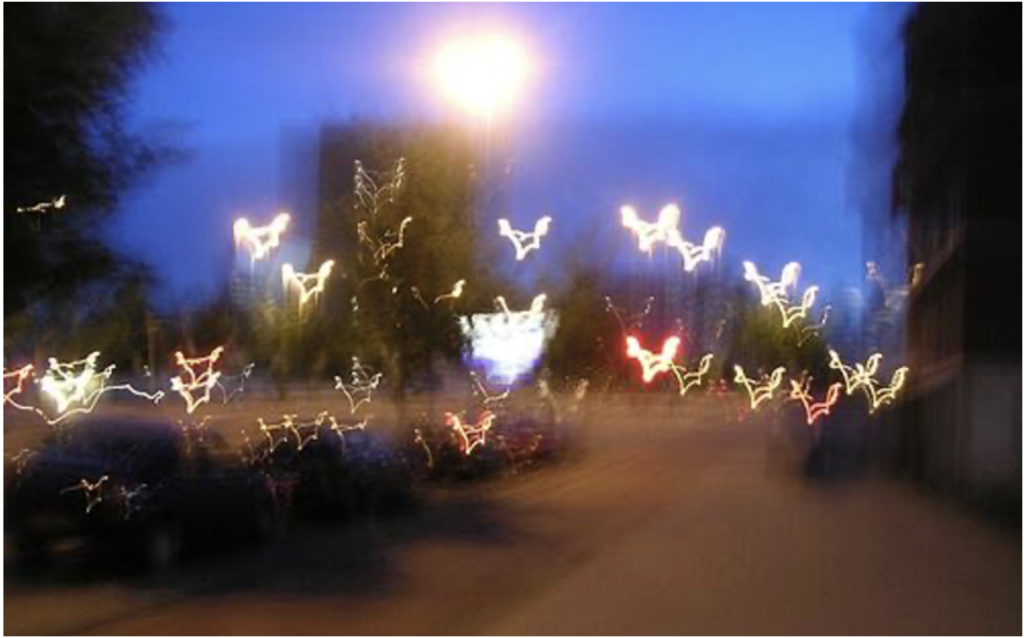
Due to its conical shape, patients with keratoconus do experience symptoms like extreme blurring and distortion of vision (where straight lines appear bent), extreme glare, especially at night, or even eye redness. Most often, keratoconic patients may experience changes in their prescription every year due to its progressive changes.
In Malaysia, keratoconus is estimated to affect 1 in every 2000 people, especially teenagers up to the early 30 year-old. It seems to occur in populations throughout the world.
Besides, keratoconus is also associated with:
Keratoconic corneas are as unique as fingerprints; thus there is no such thing as one lens size that fits all. Like other contact lenses, the condition of the cornea should be carefully assessed before semi-scleral lenses can be prescribed. However, the shape of a keratoconic cornea is different from a healthy cornea; relatively smaller lenses may distribute their weight onto the uneven corneal surface, leading to destabilisation of lenses.
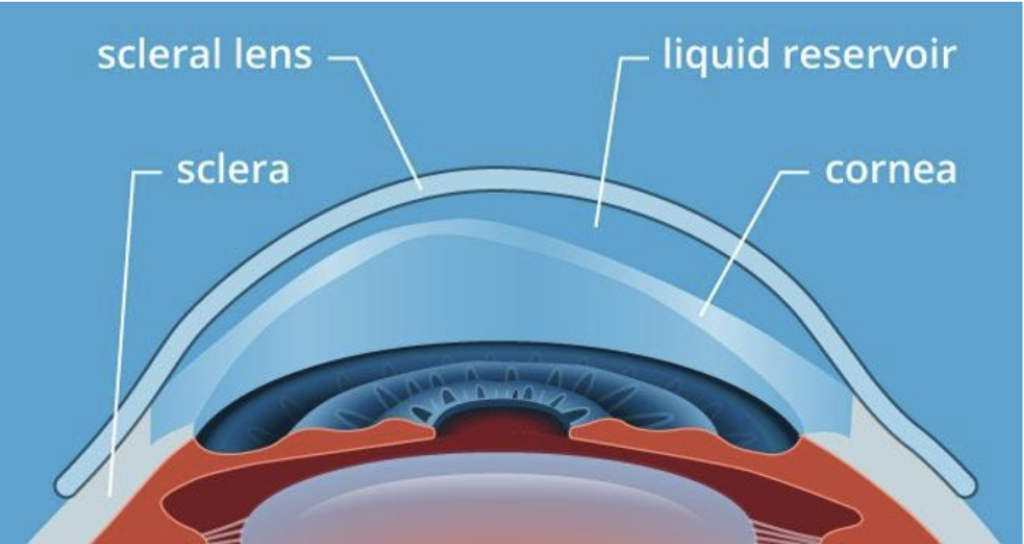
In Malaysia, keratoconus is estimated to affect 1 in every 2000 people, especially teenagers up to the early 30 year-old seem to occur in populations throughout the world. Additionally, the liquid reservoir can provide adequate wearing comfort too! This is not only because the lenses are not touching or irritating the cornea, but it also helps in hydrating the eyes, keeping them well-lubricated and healthy during lens wear.
Semi-scleral lenses generally range from 13mm to 15mm in diameter. The size of the lenses used is often judged by the degree of complexity of the keratoconic condition. Milder forms of keratoconus can be easily managed by lenses at the smaller end of the spectrum, whereas more complex keratoconus might require lenses with larger liquid reservoirs, as they can have a higher capacity to bridge larger changes in the corneal curvature.
Keratoconus is a progressive eye condition, therefore, no two patients are quite the same in terms of the shape of the cornea. Surely, it takes higher expertise and definitely longer chair time to get you an ideal lens. Consult us for more and allow us to help you make the right decision for an ideal visual experience.
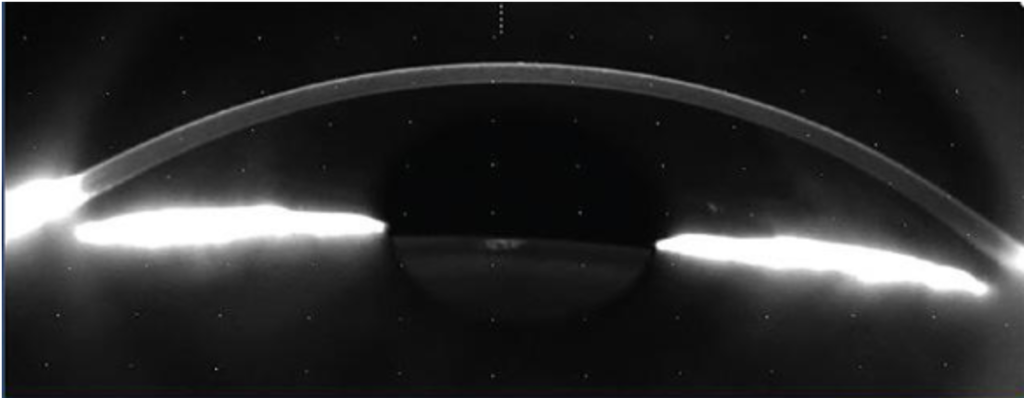
The cornea is the eye’s front “window,” serving as the first line of defense and playing a critical role in focusing light onto the retina. A normally curved cornea (prolate shape) helps focus light accurately, giving clear vision.
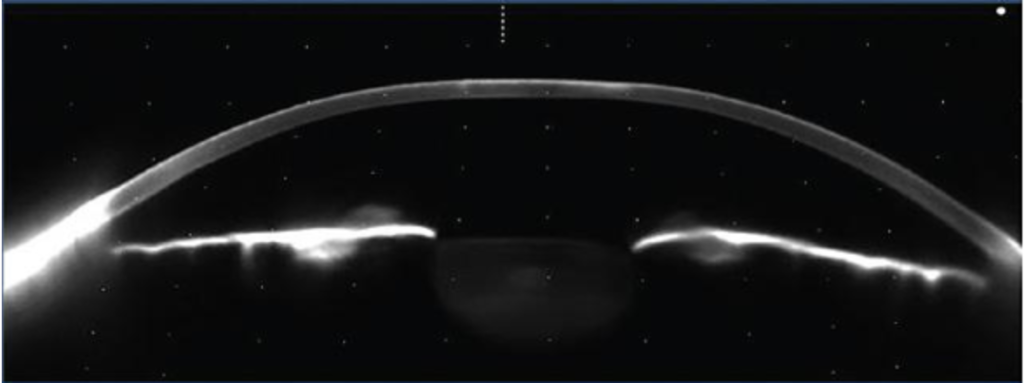
However, when the cornea is irregularly shaped, light cannot focus properly on the retina, resulting in blurred or distorted vision at all distances. Irregular corneal shapes can range from oblate to hyper-prolate, and such asymmetry cannot be fully corrected with glasses or standard contact lenses.
In Malaysia, the most common cause of irregular cornea is keratoconus. The term comes from “kerato” (cornea) and “conus” (cone). It is a progressive, degenerative condition where the cornea thins and gradually develops a conical shape.
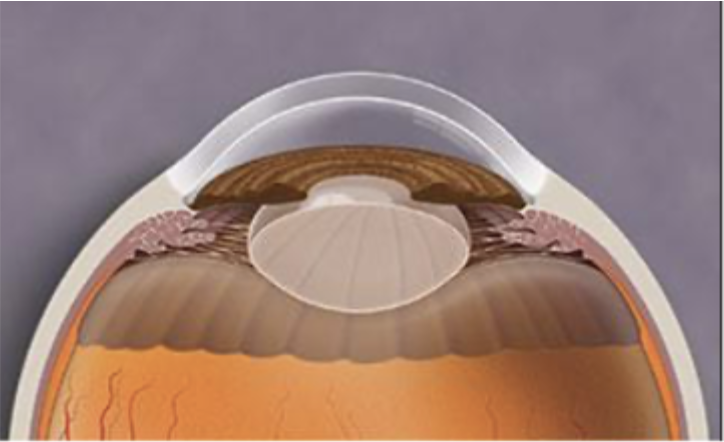
People with keratoconus often experience:
Keratoconus typically affects teenagers to adults in their early 30s and may be linked to:
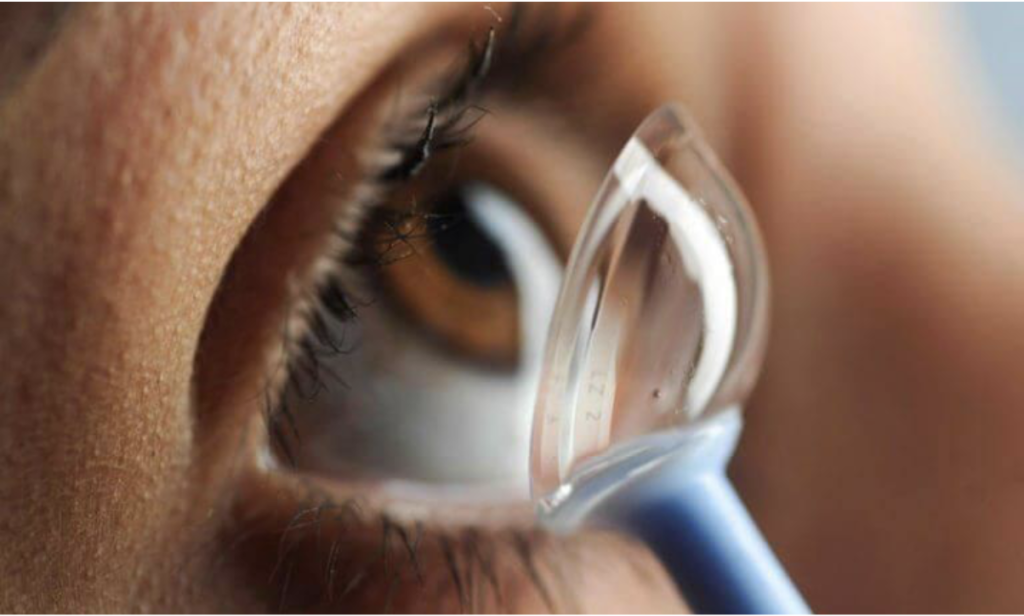
Because keratoconic corneas are unique, no single lens fits all patients. Semi-scleral lenses are designed to vault over the irregular cornea, resting on the less sensitive sclera (the white part of the eye) while creating a liquid reservoir that enhances comfort and hydration.
Semi-scleral lenses typically range from 13 mm to 15 mm in diameter, with the size selected based on the severity and complexity of keratoconus. Smaller lenses are generally suitable for milder cases, while larger lenses provide greater support and stability for more advanced conditions. Each lens is custom-designed to ensure a stable fit, improved comfort, and optimal visual clarity.
As keratoconus is a progressive condition and every cornea is different, expert fitting and careful assessment are essential to achieving the best outcomes. Semi-scleral lenses not only improve vision but also provide long-term comfort and protection for sensitive corneas.
If you or a loved one has keratoconus or an irregular cornea, early intervention can make a significant difference. Our team specializes in semi-scleral lens fittings, tailored to your unique corneal shape for optimal vision and comfort.
Certified optometrists delivering trusted, evidence-based care with advanced technology and clinical precision.
Driven by genuine commitment, we provide dependable, patient-centered care that improves vision and supports lifelong eye health.
Lorem ipsum dolor sit amet, consectetur adipiscing elit. Sed do eiusmod tempor incididunt ut labore et dolore magna aliqua. Ut enim ad minim veniam, quis nostrud exercitation ullamco laboris nisi ut aliquip ex ea commodo consequat.
Duis aute irure dolor in reprehenderit in voluptate velit esse cillum dolore eu fugiat nulla pariatur. Excepteur sint occaecat cupidatat non proident, sunt in culpa qui officia deserunt mollit anim id est laborum.

XXX
Lorem ipsum dolor sit amet.Lorem ipsum dolor sit amet.Lorem ipsum dolor sit amet.Lorem ipsum dolor sit amet.Lorem ipsum dolor sit amet.

XXX
Lorem ipsum dolor sit amet.Lorem ipsum dolor sit amet.Lorem ipsum dolor sit amet.Lorem ipsum dolor sit amet.Lorem ipsum dolor sit amet.

XXX
Lorem ipsum dolor sit amet.Lorem ipsum dolor sit amet.Lorem ipsum dolor sit amet.Lorem ipsum dolor sit amet.Lorem ipsum dolor sit amet.

XXX
Lorem ipsum dolor sit amet.Lorem ipsum dolor sit amet.Lorem ipsum dolor sit amet.Lorem ipsum dolor sit amet.Lorem ipsum dolor sit amet.

XXX
Lorem ipsum dolor sit amet.Lorem ipsum dolor sit amet.Lorem ipsum dolor sit amet.Lorem ipsum dolor sit amet.Lorem ipsum dolor sit amet.

XXX
Lorem ipsum dolor sit amet.Lorem ipsum dolor sit amet.Lorem ipsum dolor sit amet.Lorem ipsum dolor sit amet.Lorem ipsum dolor sit amet.

XXX
Lorem ipsum dolor sit amet.Lorem ipsum dolor sit amet.Lorem ipsum dolor sit amet.Lorem ipsum dolor sit amet.Lorem ipsum dolor sit amet.

XXX
Lorem ipsum dolor sit amet.Lorem ipsum dolor sit amet.Lorem ipsum dolor sit amet.Lorem ipsum dolor sit amet.Lorem ipsum dolor sit amet.

Content 1

Content 2

Content 3

Content 4

Content 5

Content 6

Content 7

Content 8