

Eye Care Article

How to Choose the Right Light Bulbs for Better Eye Comfort

In recent years, the push toward energy efficiency has led to widespread use of fluorescent and LED light bulbs, gradually replacing traditional incandescent bulbs in homes, offices, schools, and commercial spaces. While these modern lighting solutions offer clear advantages such as lower energy consumption and longer lifespan, improper or excessive use may have unintended effects on visual comfort and eye health.

Understanding Light Temperature and Eye Comfort

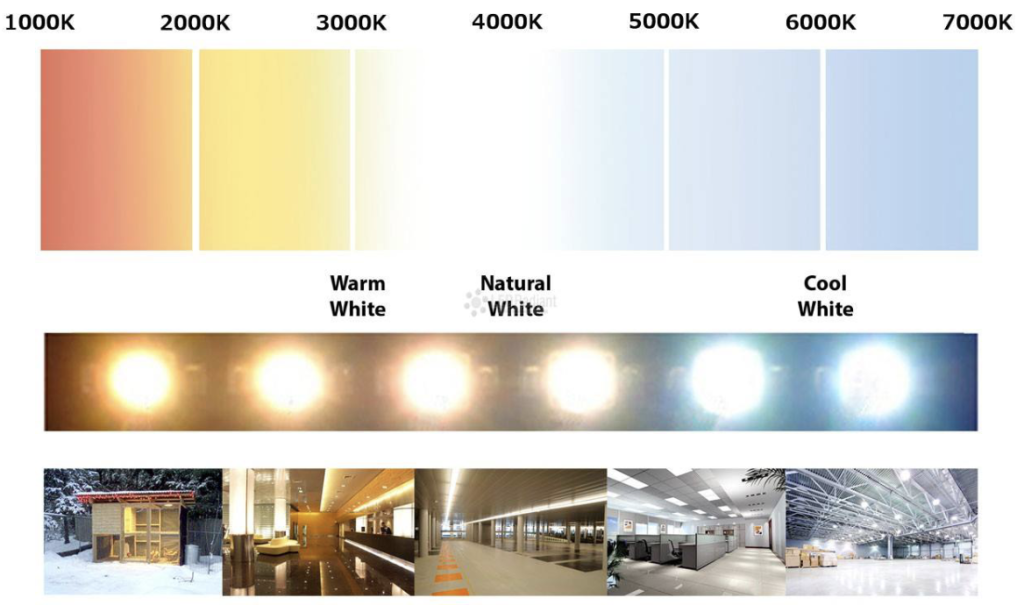
One important factor when choosing light bulbs is colour temperature. Many fluorescent and LED bulbs emit “cool white” or “bright white” light, which appears bluish and intense. Prolonged exposure to this type of lighting, especially in enclosed environments such as offices and classrooms, may contribute to visual fatigue and discomfort.

Studies suggest that individuals exposed to bright, cool lighting for long hours each week may face a higher risk of eye-related issues such as dry eyes, glare sensitivity, and eye strain. Over time, excessive exposure may also contribute to degenerative eye conditions, particularly in individuals who are already at risk due to age or existing eye health concerns.

The Impact of Long-Term Exposure

Spending extended periods under harsh artificial lighting, especially for more than 40 to 45 hours per week, can increase cumulative stress on the eyes. Constant exposure to intense light may worsen dry eye symptoms and has been associated with conditions such as pterygium and macular degeneration. The risk may be even higher when people frequently look directly at bright light sources, a habit many are unaware can be harmful.

While most people are warned not to stare directly at the sun, few realise that staring at bright artificial light bulbs can also strain the eyes and potentially cause long-term damage.

Choosing the Right Light Bulb

To create a more eye-friendly environment, consider choosing bulbs with warmer colour temperatures for areas where you spend long hours, such as living rooms, bedrooms, and workspaces. Warm or neutral lighting produces a softer glow that is easier on the eyes and reduces glare. Diffused lighting and lampshades can also help minimise direct exposure to bright light sources.

In work environments, a balance between sufficient brightness and visual comfort is key. Proper placement of lights, avoiding direct glare, and combining ambient lighting with task lighting can significantly improve eye comfort.

Lighting Choices Matter

Energy-efficient lighting is beneficial, but moderation and thoughtful selection are essential. Choosing the right type of light bulb and using it appropriately can help protect your eyes while still enjoying the benefits of modern lighting technology.

If you experience frequent eye strain, dryness, or visual discomfort, it may be a sign that your lighting environment needs adjustment. A comprehensive eye examination can help identify underlying issues and provide personalised advice for maintaining long-term eye health.

“Better lighting choices today can make a meaningful difference to your visual comfort and eye health tomorrow.”

Need advice about your eyes or vision?
Contact our team for professional eye care support and personalized recommendations.