
Prescription lenses are available in various types. There are blue control lenses to filter out the blue light, photochromic or transition lenses to reduce glare, myopic control lenses to control the myopic progression among kids, anti-fatigue lenses for your digitally connected life and so on. All lenses serve their unique purposes, depending on individual lifestyle!
Fascinating, isn’t it? But are those everything about lenses?
Well, prescription lenses are either plus or minus in power. Plus lenses are used to correct hyperopia (long-sightedness) or presbyopia, while minus lenses are to correct myopia (short-sightedness).
Plus lenses magnify the images; in contrast, minus lenses minify them. Of course, as your eye power increases, the lenses appear thicker; hence, the more the lenses magnify or minify the image that you perceive.
In fact, in the market, we have various types of single vision lenses sorted according to their surface designs: namely spherical, aspherical, and double-aspherical lenses!
They are actually lenses of different curves on the front and back surfaces. These different curves are especially crucial for those who have high prescription power. For instance, different lens designs affect the wearer’s field of view, the optical quality, as well as the wearing aesthetics. Now, let’s have a brief look at the features of different lens designs:
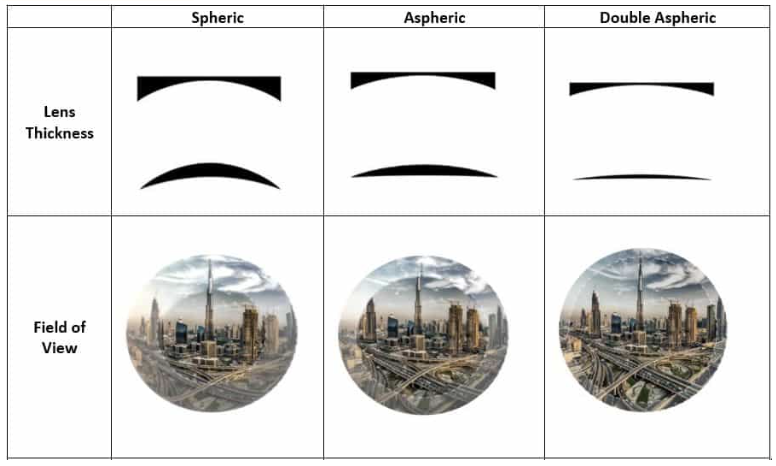
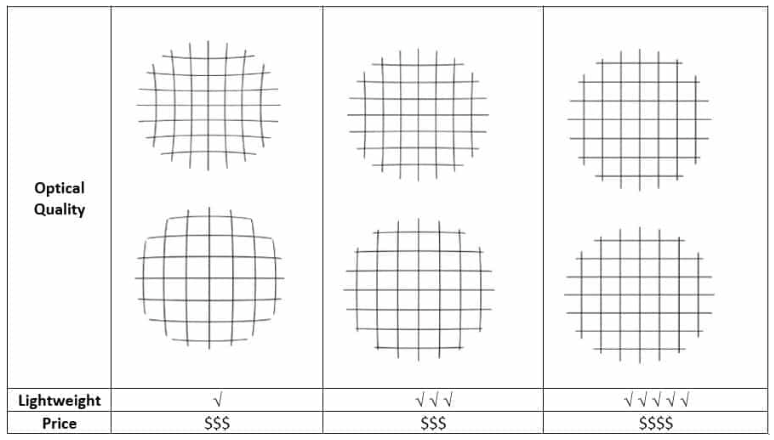



There is this misconception about single-vision lenses that the moment you get expensive ones, you are tricked. The fact is, lenses which are higher-priced do have the value that fits individuals differently. As your eye power increases, the lenses appear thicker; hence, the more the lenses magnify (plus lenses) or minify (minus lenses) the image that you perceive. That said, high-prescription lenses can affect both the relative magnification of the images viewed and the cosmetic appearance of your eyes !
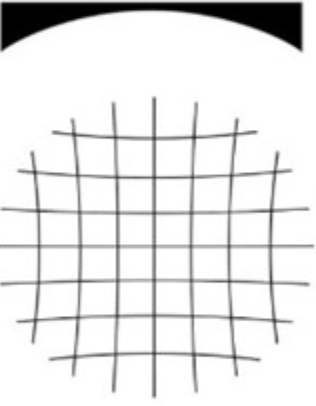
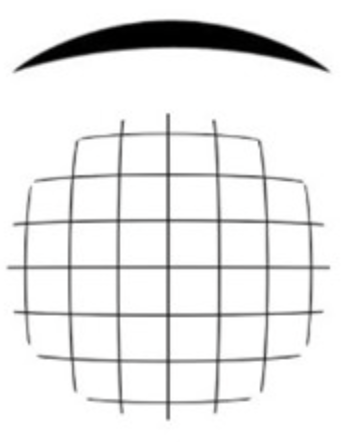
Spherical lenses have the same curve across the entire surfaces. The front surfaces are spherical in shape, very much like a circle.
For hyperopes, the stronger the prescription, the more the plus lenses bulge forward centrally. In contrast for myopes, the edge of the minus lenses is thicker for stronger prescriptions. This condition results in more distortion with a smaller field of view. In addition, the lenses are much heavier.

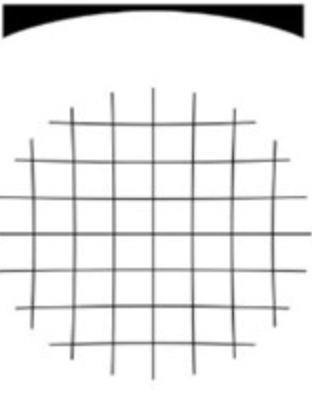
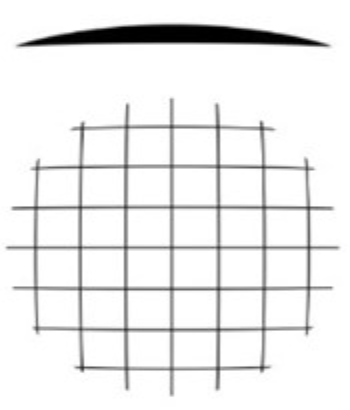
Aspherical lenses have a uniquely shaped (more like the shape of an oval) that gradually changes in curvature from the centre of the lens to the edge. They are also thinner with a higher index material.
In aspherical lenses, the front surfaces are made with much flatter curves, hence less bulging of the lenses from the frame. Such lenses give the eyewear a slimmer and more flattering profile.
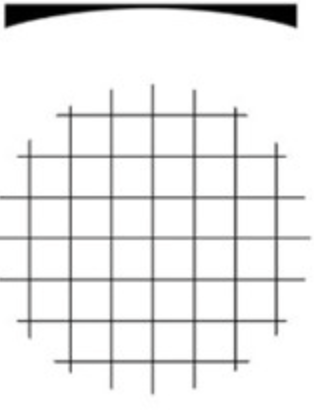
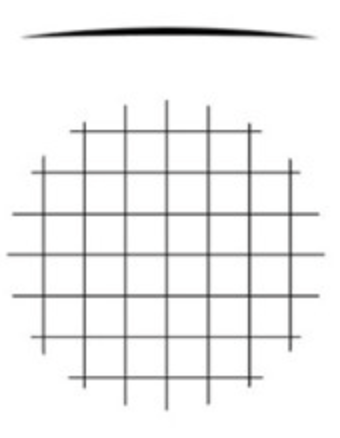
In double aspherical lenses, peripheral power error and astigmatic aberration are distributed in a balanced manner across the surfaces. By utilizing free-form technology, double aspherical lenses can be customized to the wearer’s prescription power in a precise manner, providing a significant improvement in the lens effective viewing area. Vision with such lenses is therefore the closest to real images, with minimal magnification or minification, delivering an exceptional optical quality.
The more you know now!
In a nutshell, there is no definite factor that can determine which lenses that best fit your visual needs without a proper assessment. In fact, the choice of frames and lenses depends on your prescription strength, visual expectation, occupation and even your lifestyle. We are more than happy to assist you on your journey to getting your very own eyeglasses! For more information, do visit us and talk to us about your needs. We will definitely get you one that complements your distinct image!