Myopia Control Lenses (Module 10 Pending…)
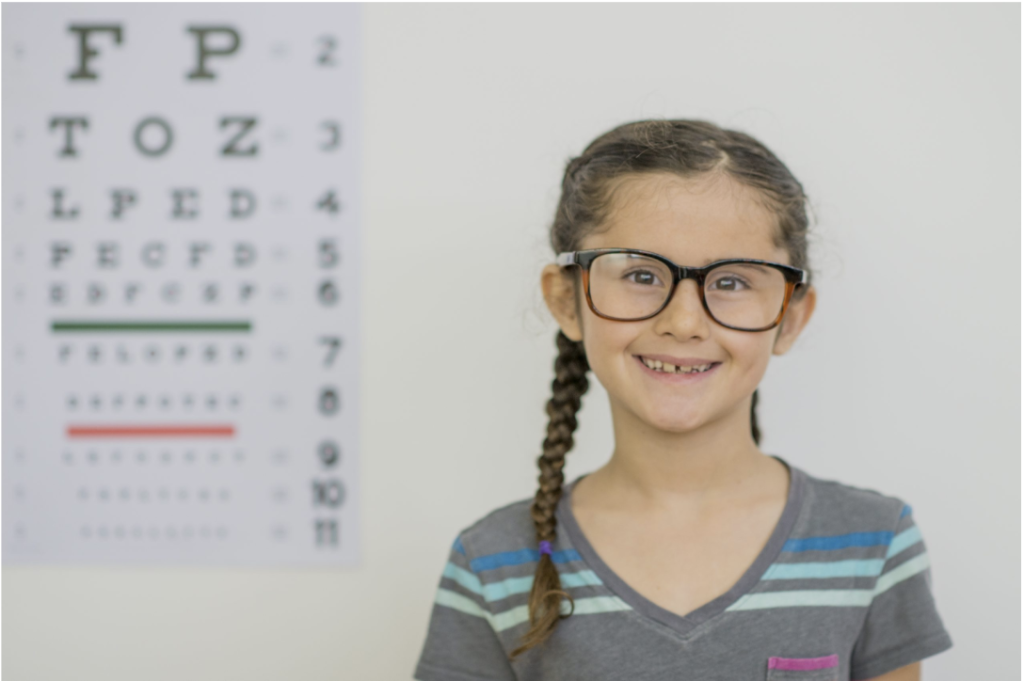
Myopia control lenses are specially designed glasses that reduce focusing fatigue during close work, such as reading or using digital devices. This added optical support helps slow the progression of short-sightedness in children, protecting their vision over time.
[ Navigate to MC lens dispensary section ]
– Orthokeratology (Ortho-K) Lenses
Ortho-K uses specially designed rigid contact lenses worn overnight to gently reshape the cornea. When removed in the morning, children can enjoy clear, glasses-free vision throughout the day. Studies show that Ortho-K slows eye growth, which can permanently reduce the degree of myopia when started in childhood.
[ Navigate to OK lens section ]
– Atropine Eye Drops
Atropine eye drops temporarily relax the eye’s focusing mechanism. Research has shown that this can slow myopia progression by reducing focusing fatigue. While effective in the short term, the benefits may diminish if treatment is not ongoing or monitored carefully.