Eye Care Article

A Diagnostic Technology Beyond Traditional Eye Examinations

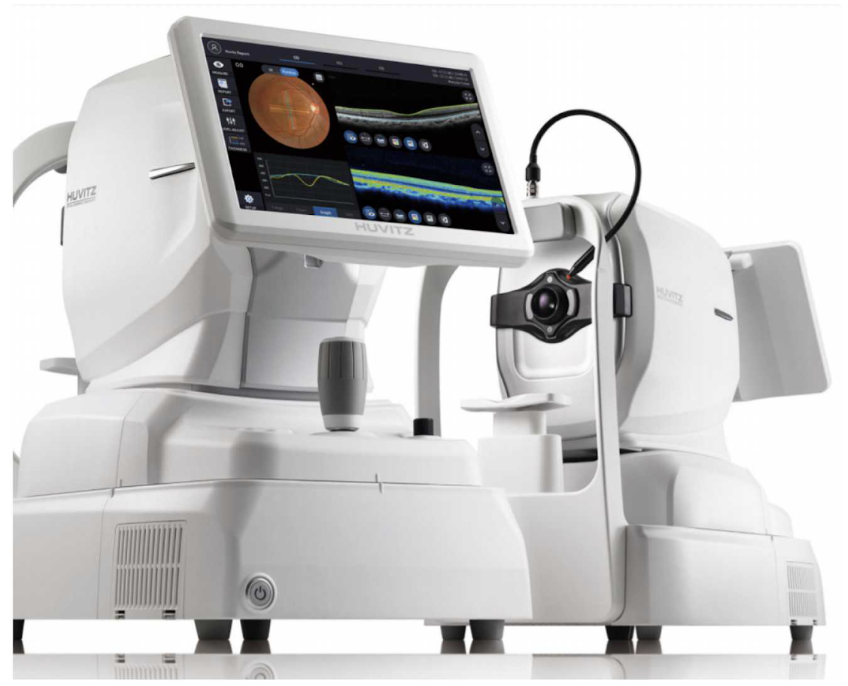
Optical Coherence Tomography (OCT) is an advanced diagnostic imaging technology that goes beyond the capabilities of traditional eye examinations. It is a non-contact, high-resolution, micron-level imaging method that uses infrared light waves to produce real-time, three-dimensional images of the eye.

Often compared to a CT scan used in medical imaging, OCT allows eye care professionals to view detailed cross-sectional images of the retina, enabling precise assessment of retinal structure and optic nerve health. Today, OCT has become a standard tool in primary eye care for the early detection and monitoring of many eye conditions.

Conditions Commonly Detected with OCT

OCT plays a critical role in diagnosing and managing a wide range of eye diseases, including:

  • Macular hole
  • Macular pucker
  • Macular edema
  • Age-related macular degeneration
  • Glaucoma
  • Central serous retinopathy
  • Diabetic retinopathy
  • Vitreomacular traction

Many eye conditions can progress silently and, if left undetected, may result in permanent vision loss. Early diagnosis enables timely referral and appropriate intervention, playing a crucial role in preserving vision and improving long-term outcomes.

With OCT imaging, subtle changes in the retina and optic nerve can be detected before noticeable symptoms appear, allowing for early management and specialist referral when necessary to help safeguard long-term eye health.

Is the OCT Test Painful?

OCT imaging is quick, painless, and hassle-free. The procedure is completely non-invasive and requires no contact with the eye. Patients simply need to focus on a target light and remain still briefly while the scan is performed. The entire process takes only a few minutes.

Need advice about your eyes or vision?
Contact our team for professional eye care support and personalized recommendations.