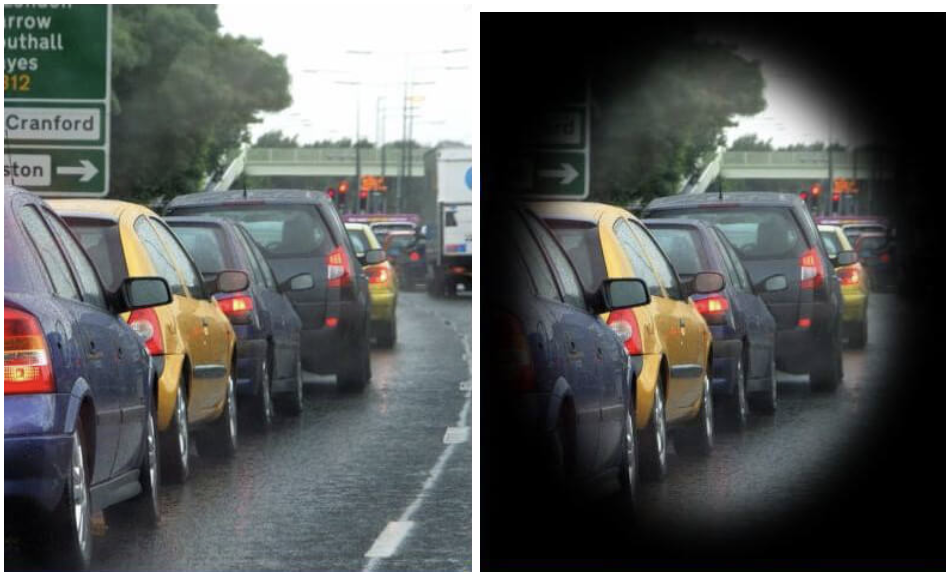
Eye & Glasses Optometrist collaborates with International Glaucoma Association to raise awareness of glaucoma and eliminate glaucoma blindness by alerting people to have regular eye examination.
Glaucoma, often described as the “silent thief of sight” due to its gradual onset, causes damage to the optic nerve. The three most common types of glaucoma are as follows:
- Primary Open-Angle Glaucoma
About 50% of patients do not know they have it. It gradually and painlessly reduces peripheral vision. By the time it is noticed, permanent damage has already occurred. If eye pressure remains high, the destruction can progress until tunnel vision develops, and only objects that are straight ahead can be seen.
- Acute Angle-Closure Glaucoma
It produces sudden symptoms such as eye pain, headaches, halos, red eyes, nausea and vomiting. If these symptoms persist, please visit an eye care practitioner immediately or visit the emergency room to prevent permanent vision loss.
- Normal-Tension Glaucoma
This open-angle type of glaucoma can cause visual field loss due to optic nerve damage. But in normal-tension glaucoma, the eye pressure remains in normal range. Pain is unlikely and permanent damage to the optic nerve may not be noticed until symptoms such as tunnel vision occur.